
OMG, Franck! Fashion Shows – 2026 Edition
An AUDA-curated multi-designer presentation at Franck Areal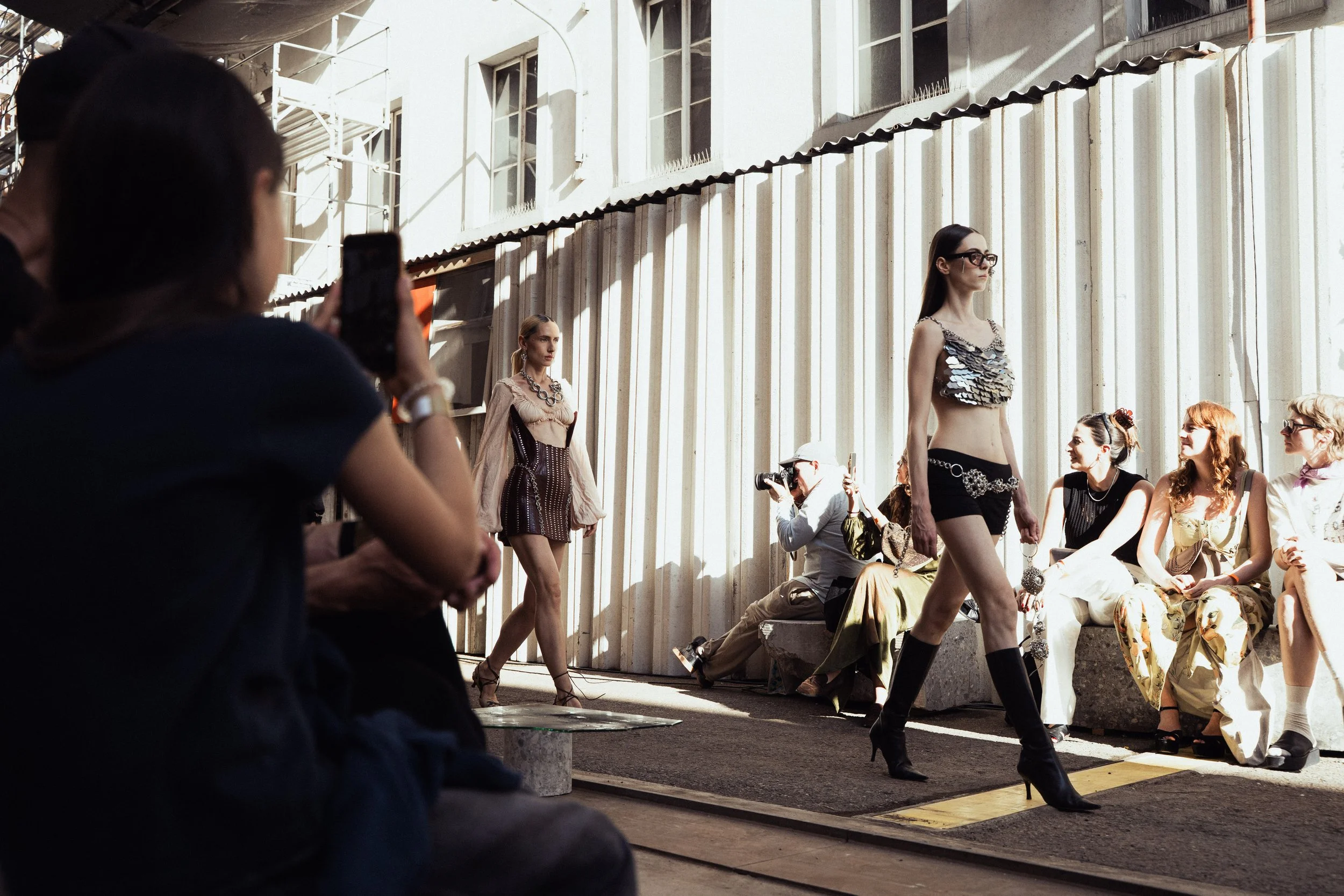
The Beginning
Last year’s initial collaboration between AUDA and OMG, Franck! opened the door to fashion within the festival – a starting point that revealed how much more could be possible with shared intention and a stronger framework. One that brings fashion into dialogue with the wider creative landscape of Art Basel Week. And over months of such exchanges, feedback and planning, this shared belief grew into a fuller format: a two-show multi-brand presentation that created a living network of cultural exchange built around artistic innovation, creative visibility, and collective production.
The Inquiry
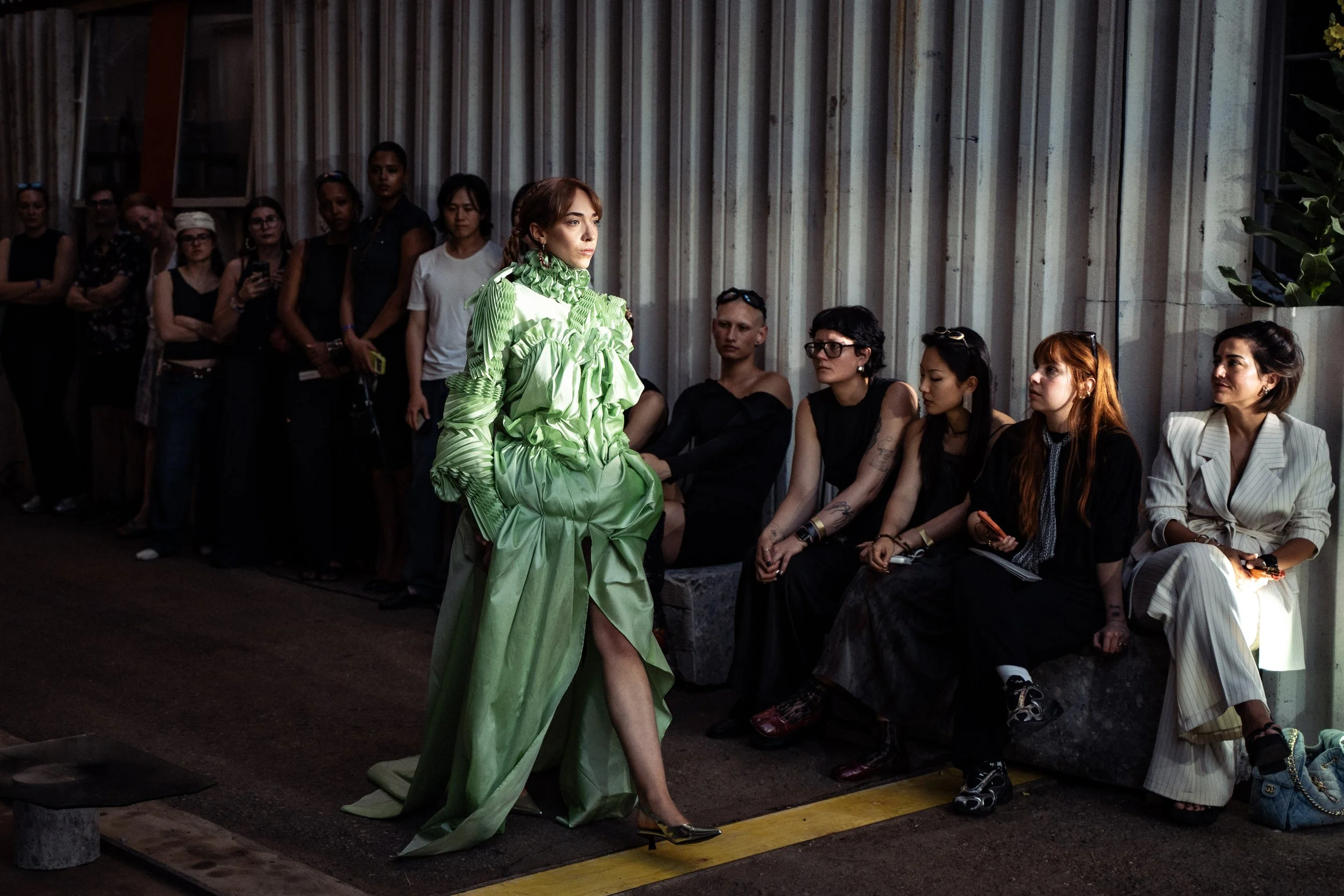
Curated and produced by AUDA under the direction of Aurora D’Agostino, the project positioned fashion not as an accessory to Basel’s cultural landscape, but as one of its active disciplines – deserving space, infrastructure, experimentation, criticism, and an audience. In a city shaped by one of the world’s most visible art weeks, the OMG, Franck! fashion shows proposed a simple but provocative question:
“What happens when Basel stops treating fashion as an afterthought and begins developing a fashion language of its own?”
The Prologue
On 17 June during Art Basel Week 2026, across two evening shows, the presentation took a complete shape at Franck Areal as part of the OMG, Franck! Festival. This year’s curation brought together eight designers – all women – whose practices stretch across methods, materials and ways of thinking. While some participating designers were already known within regional fashion circuits, others showed to Swiss audiences for the first time. Within the wider festival program, the shows offered a glimpse into how independent fashion practices in Switzerland continue to evolve through dialogue, experimentation and community.
The Backdrop
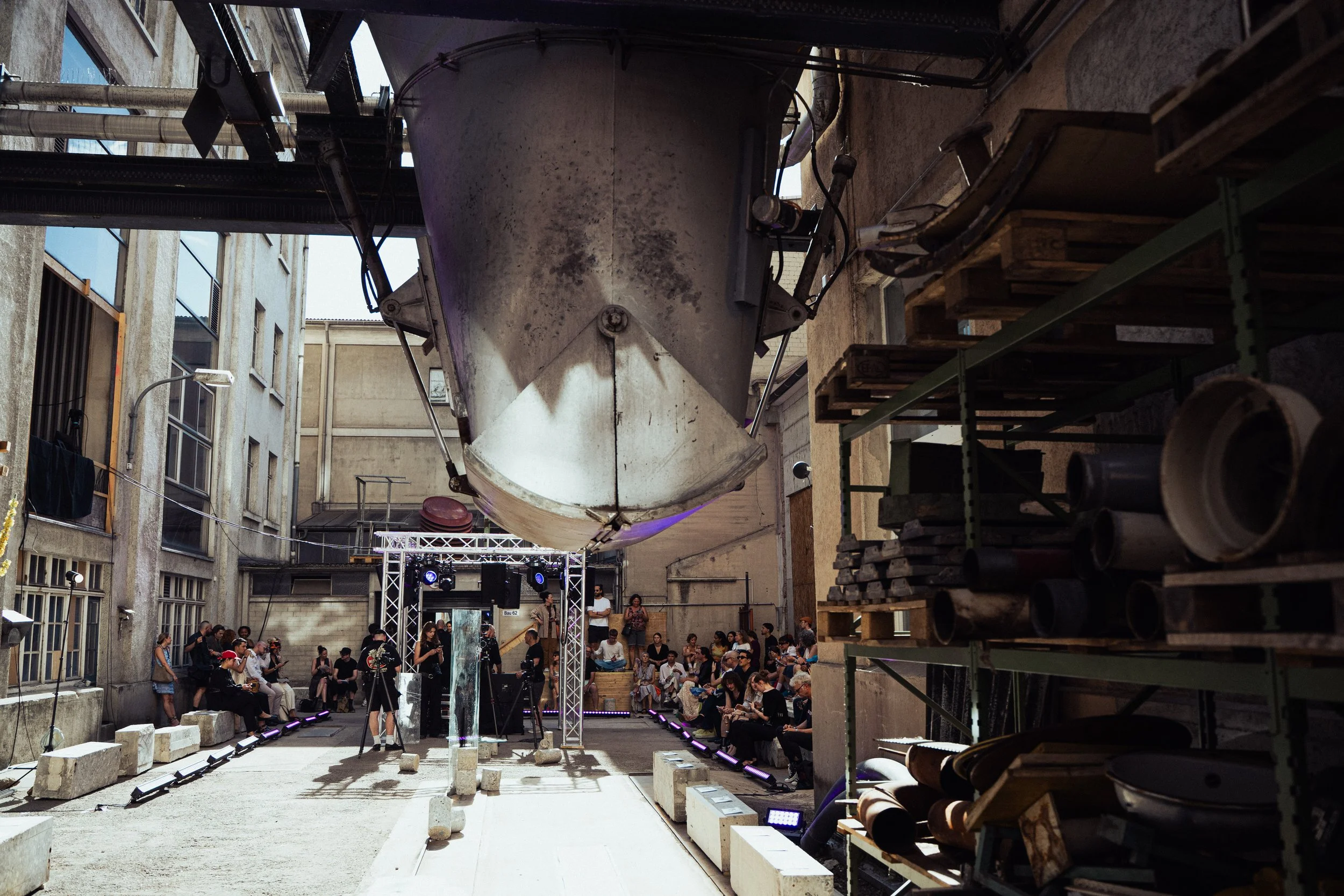
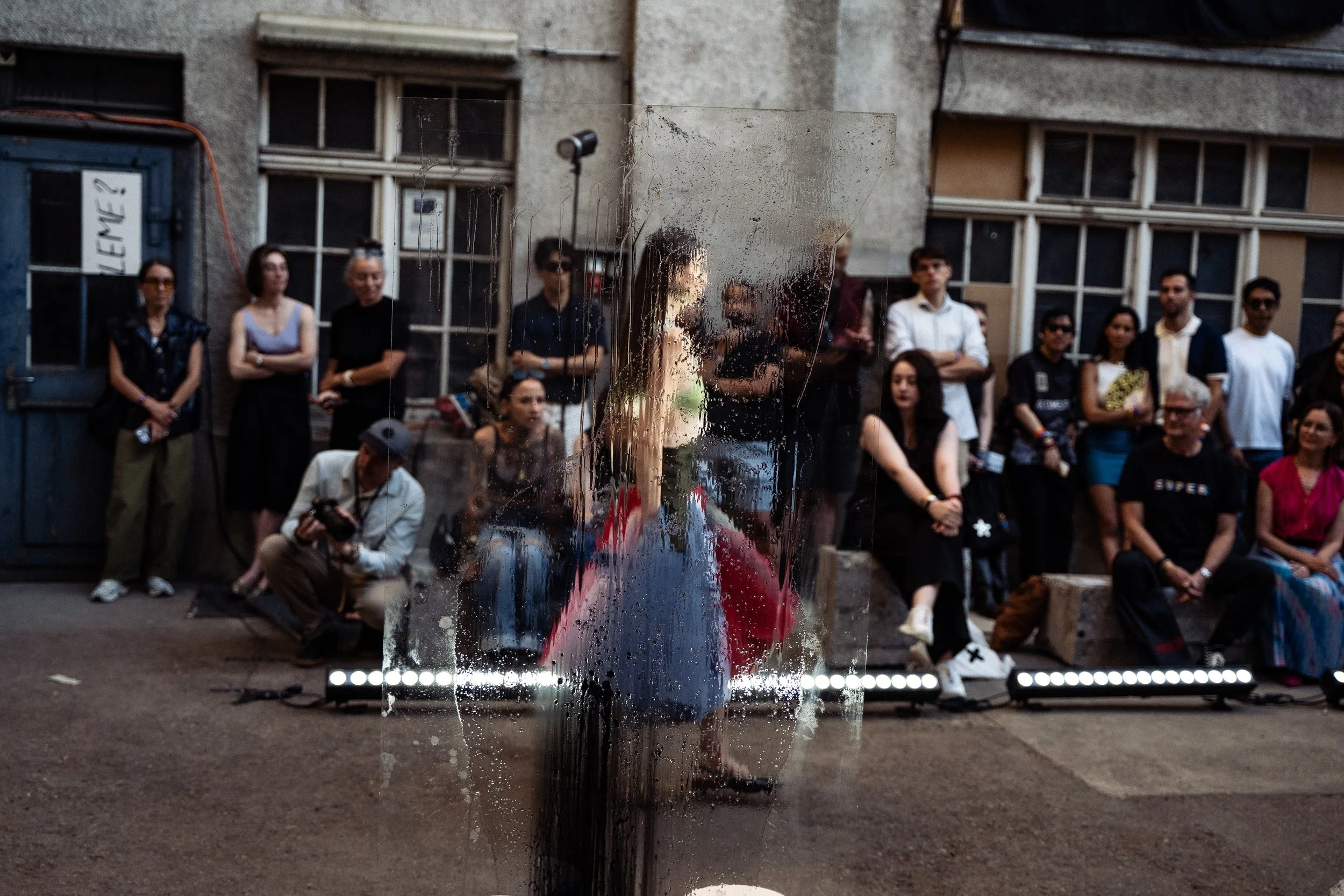
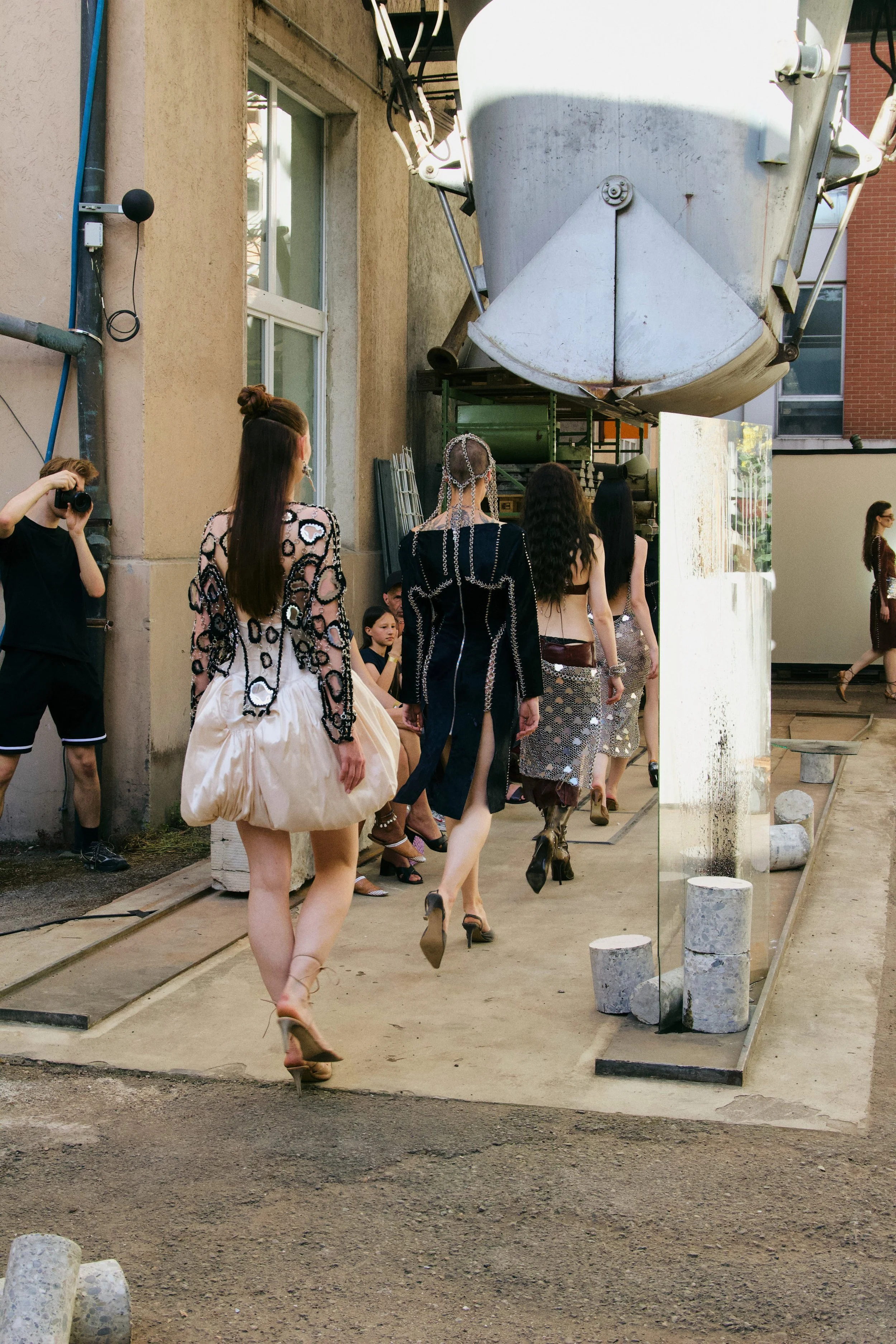
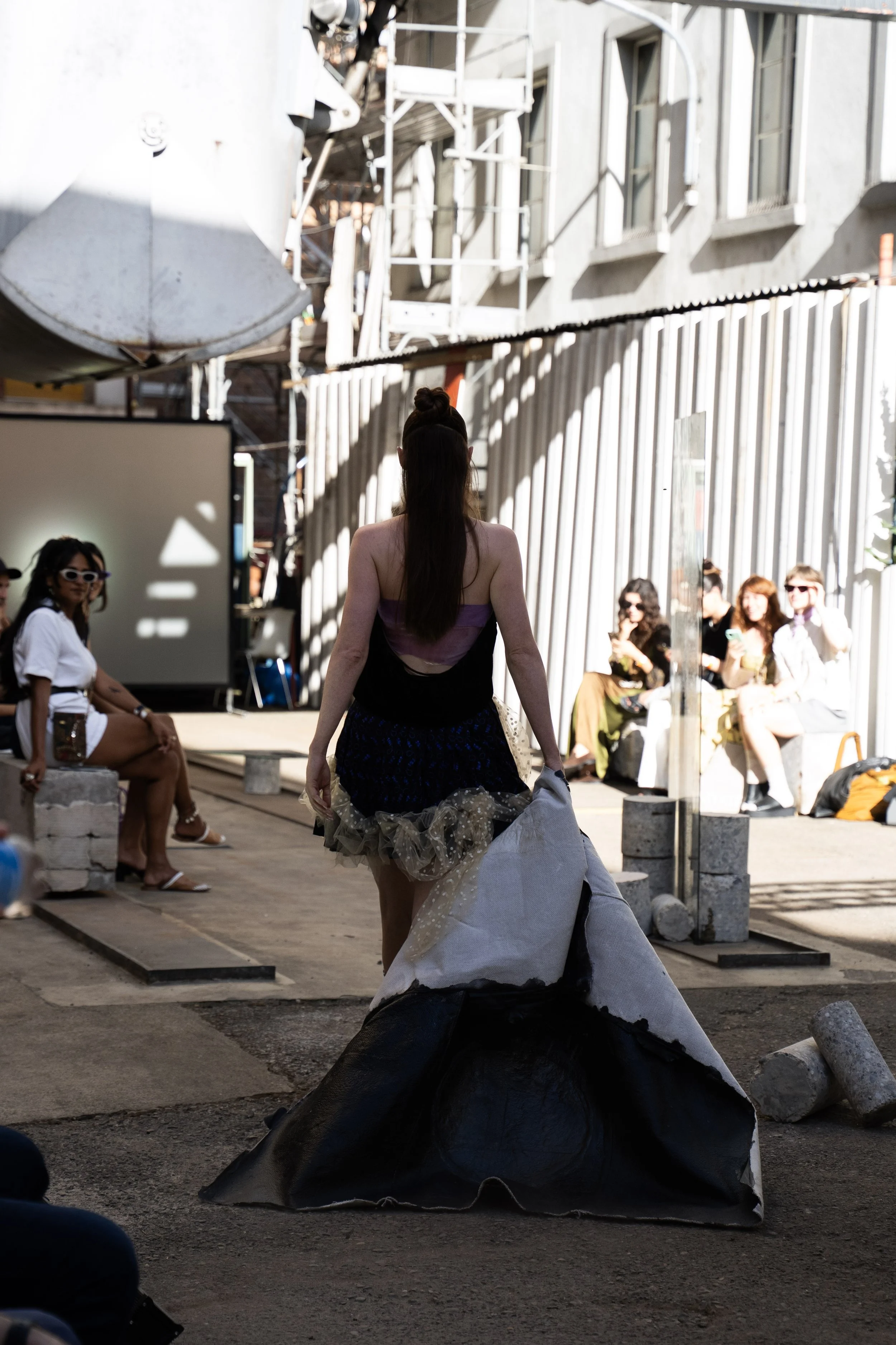
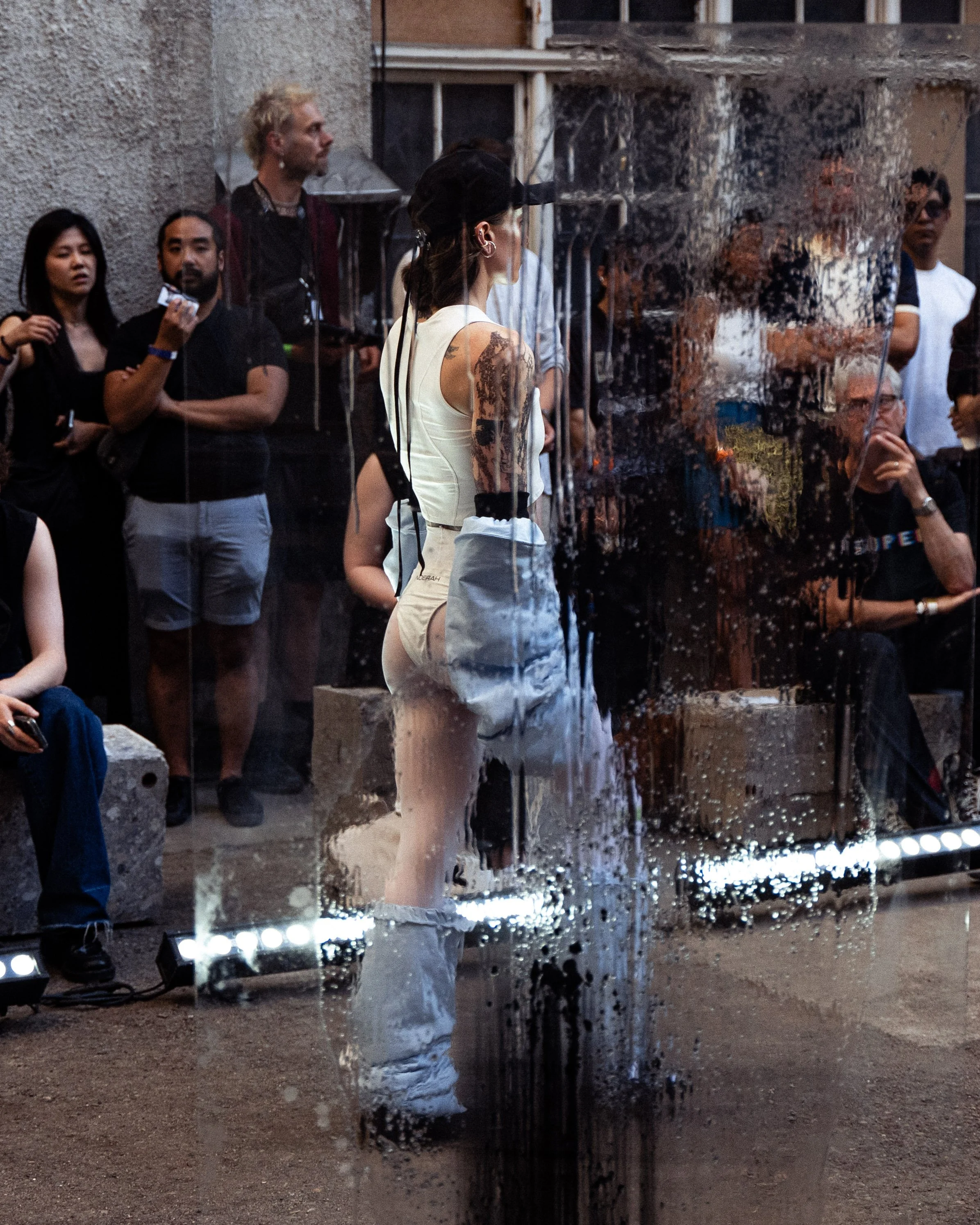
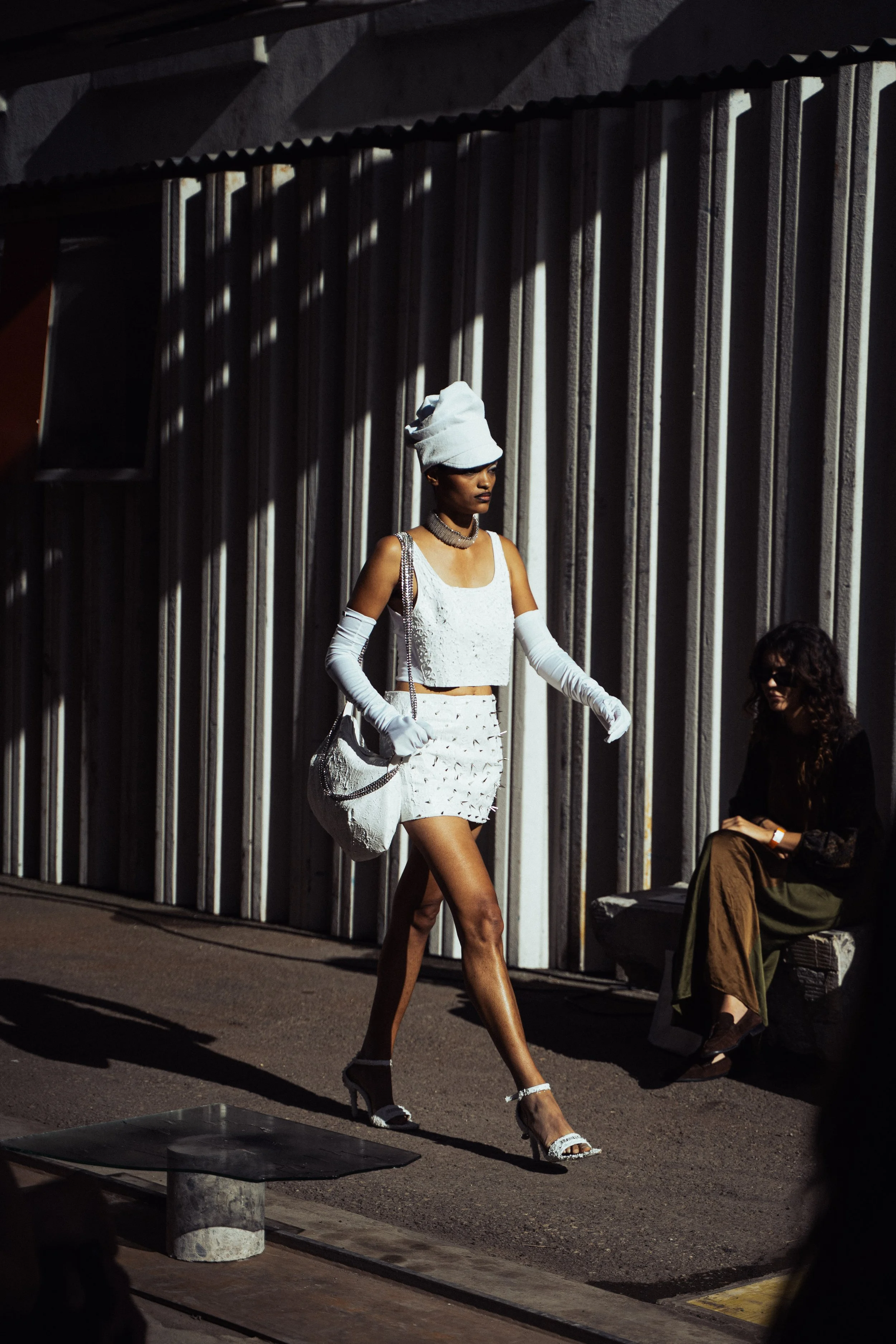
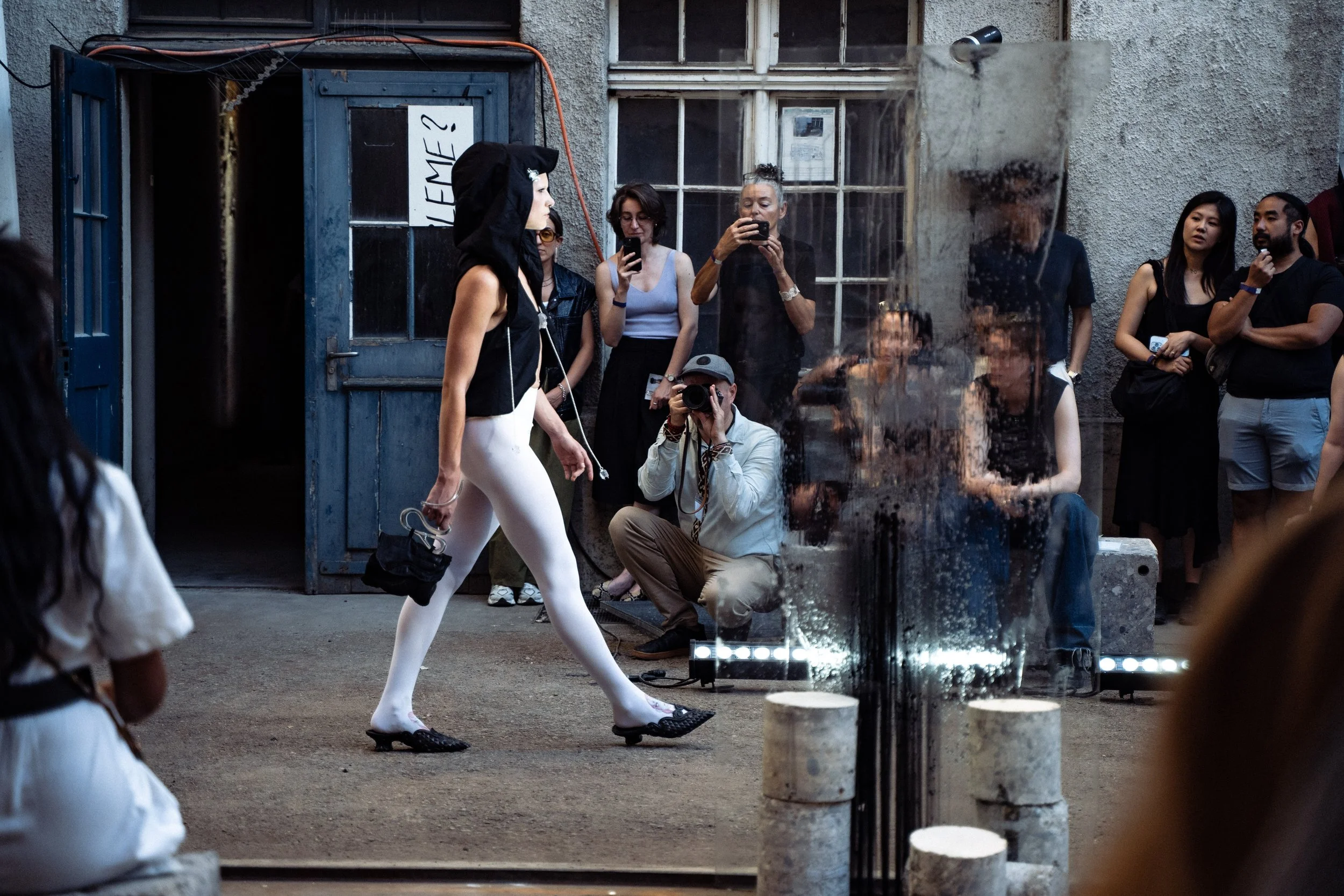
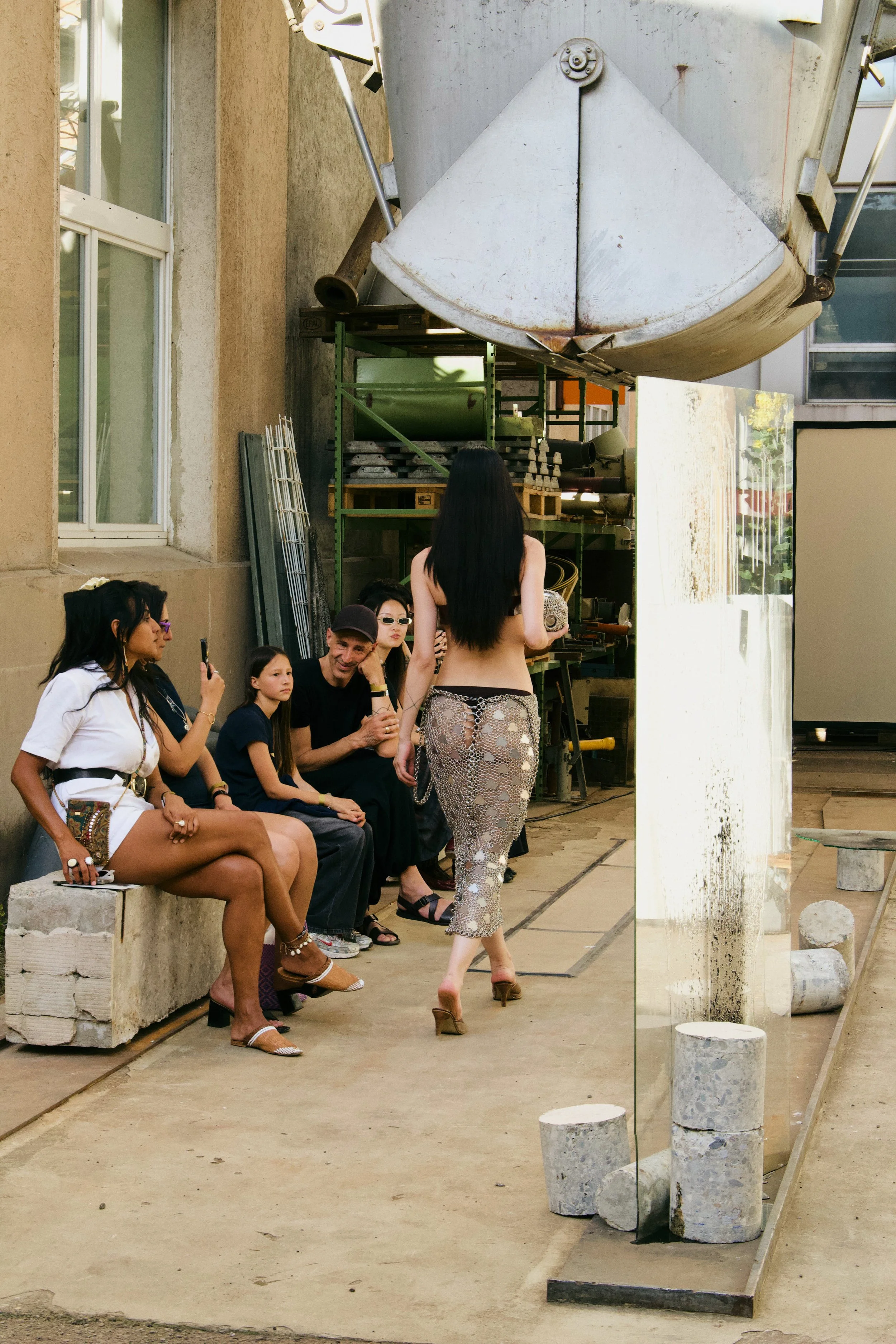
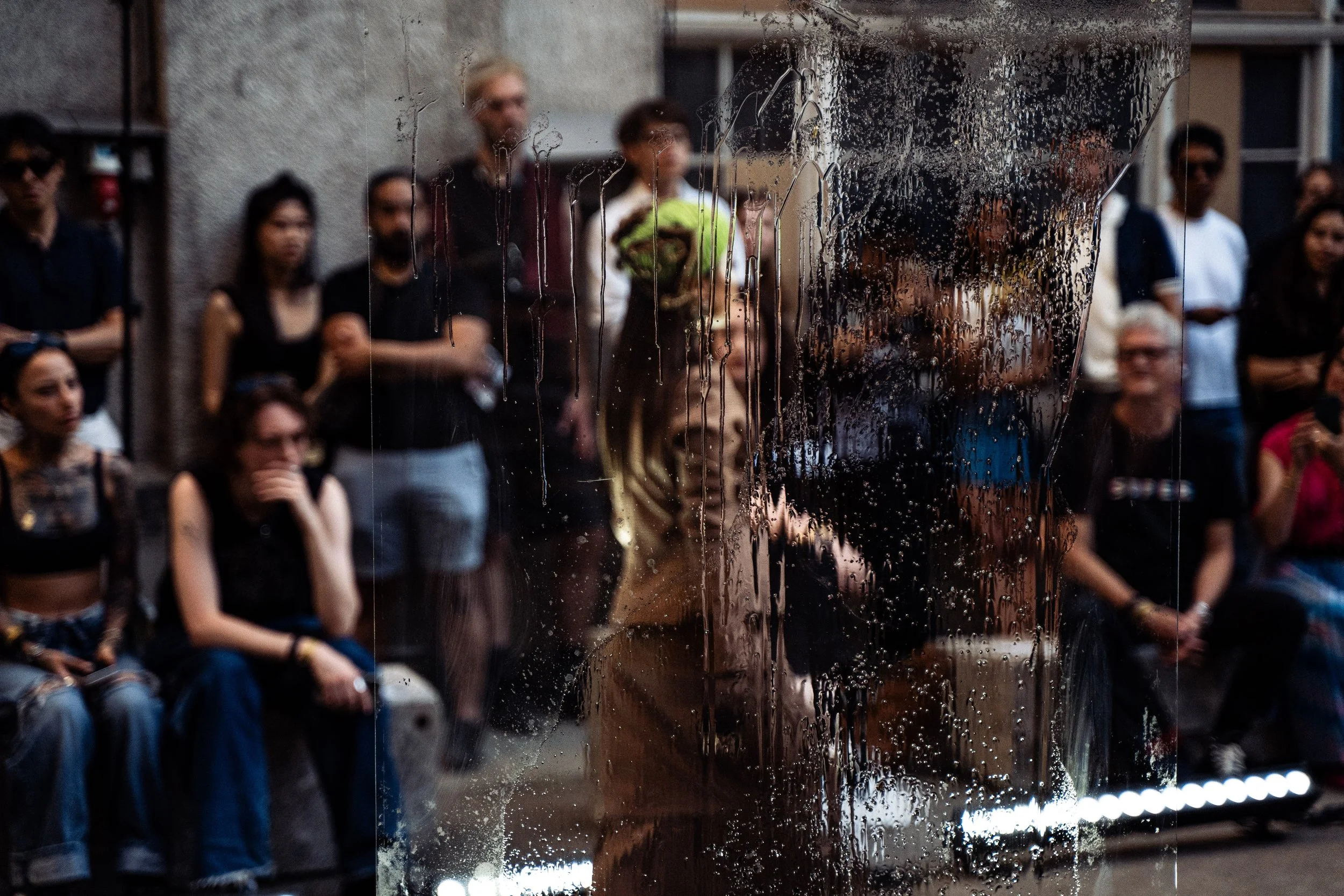
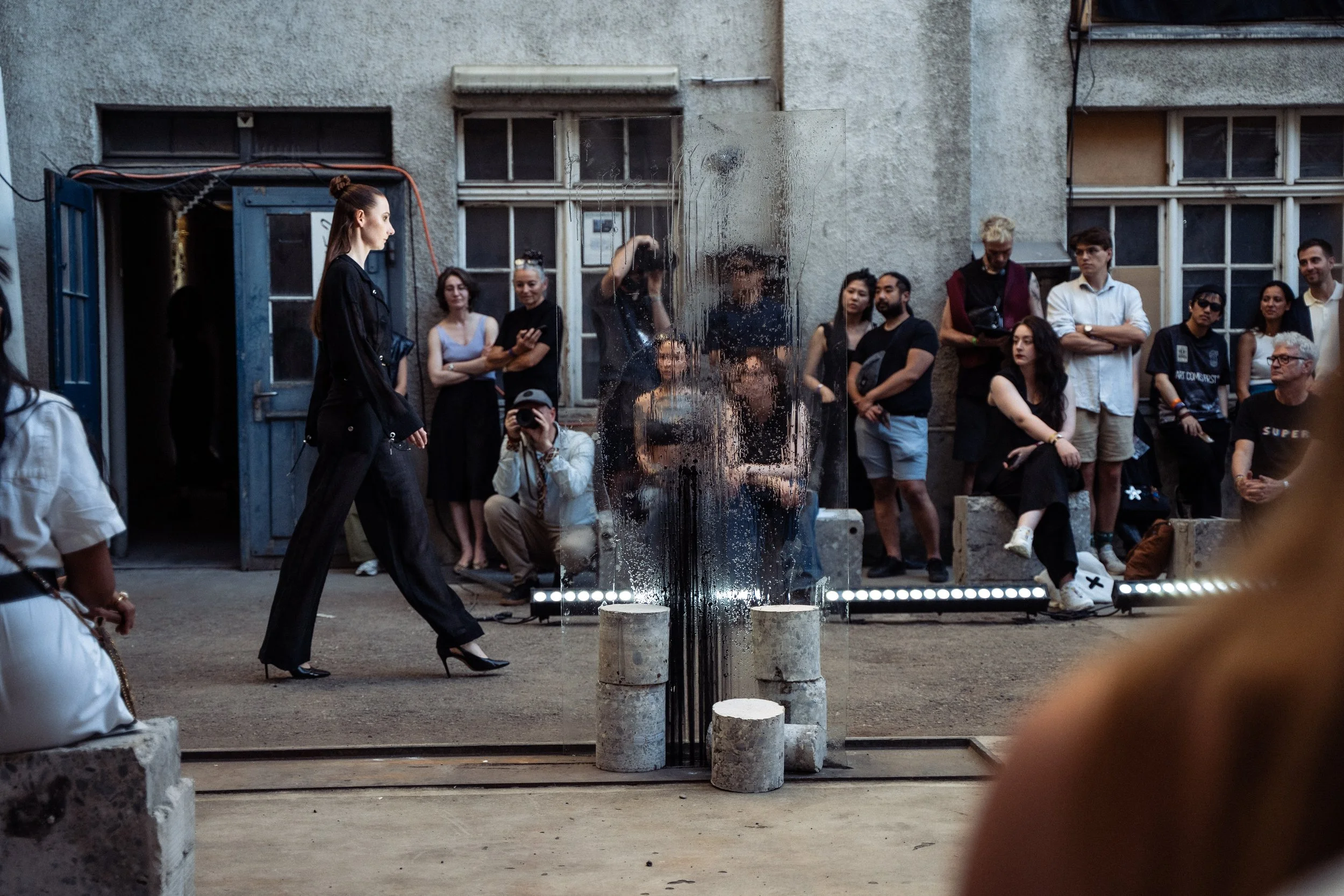
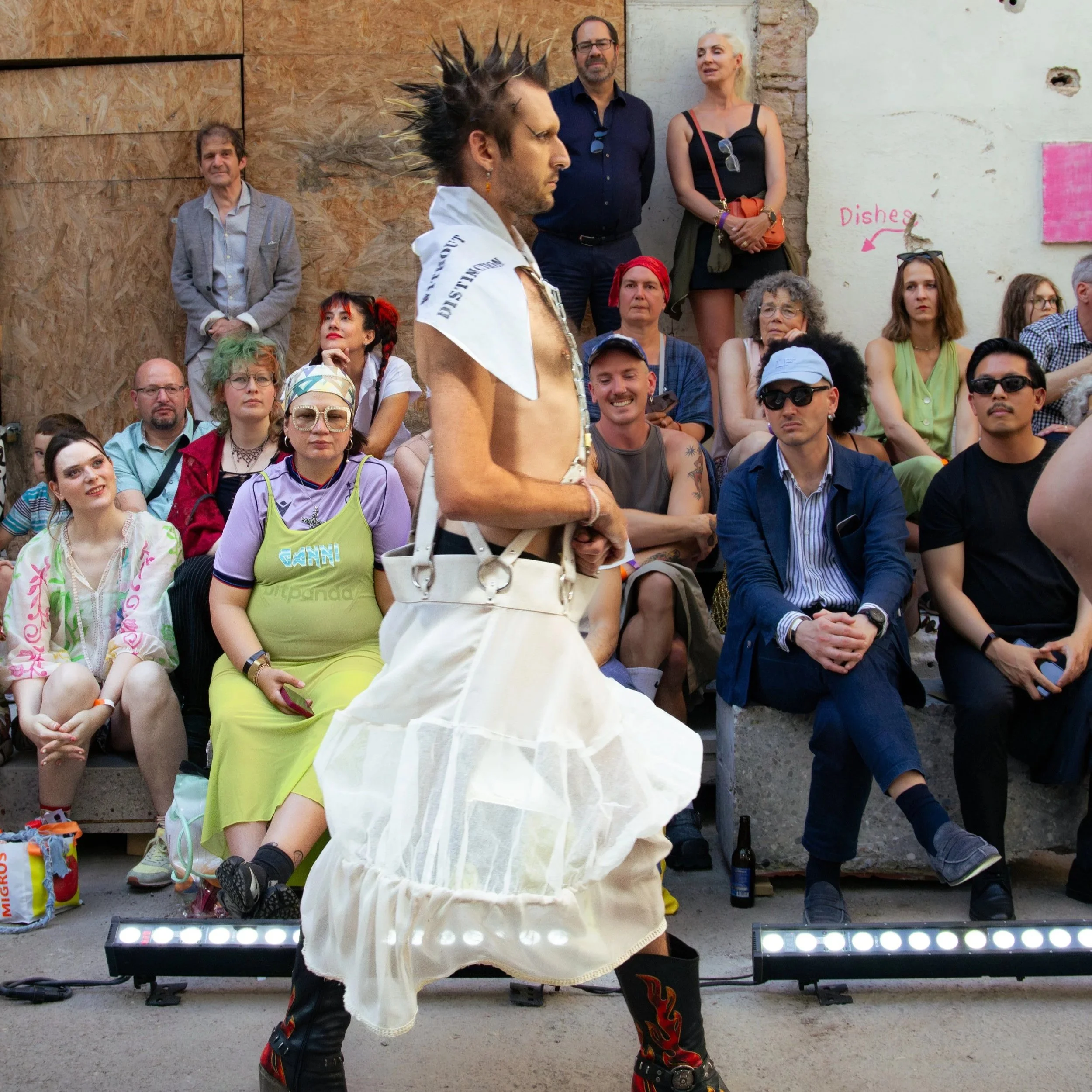
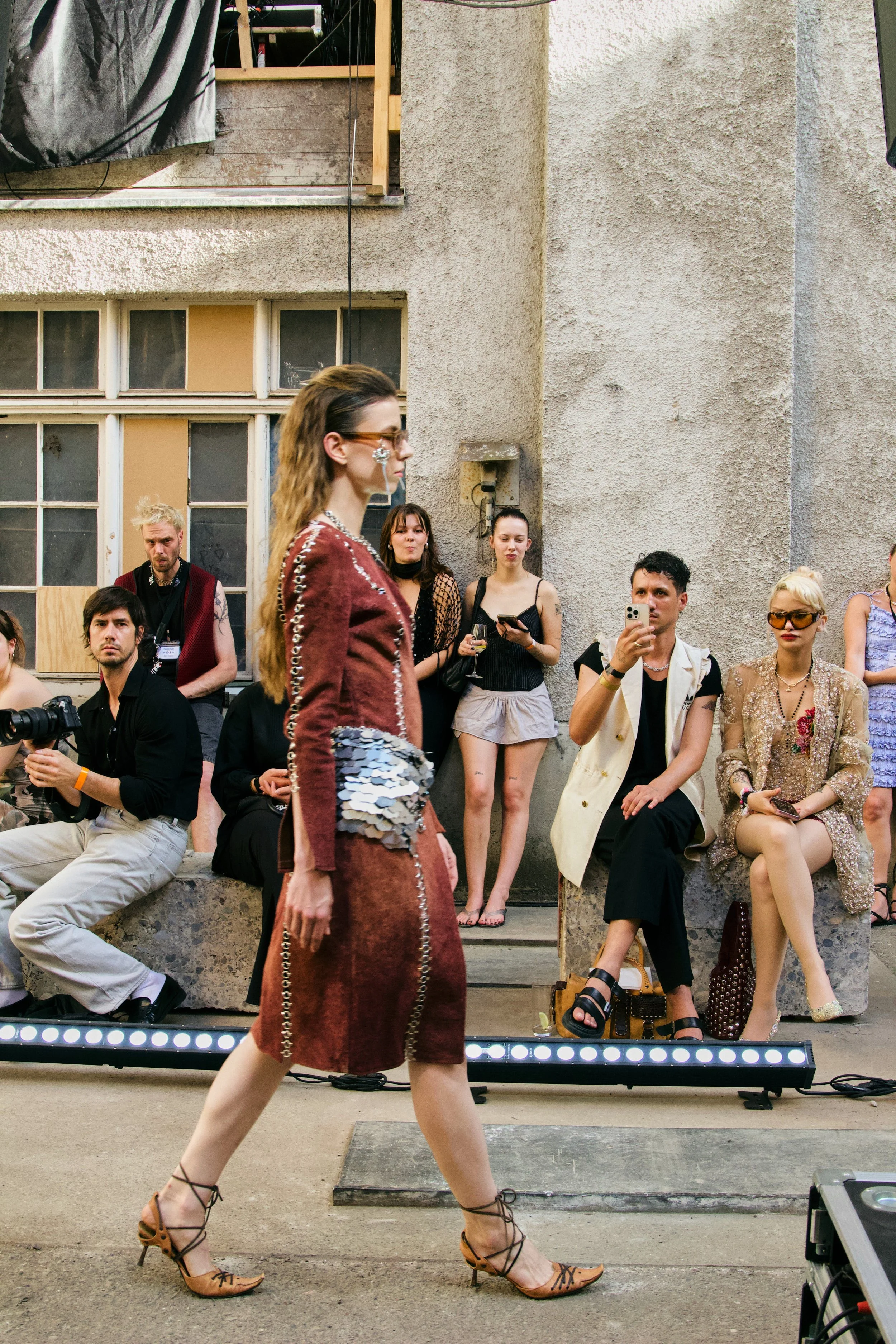
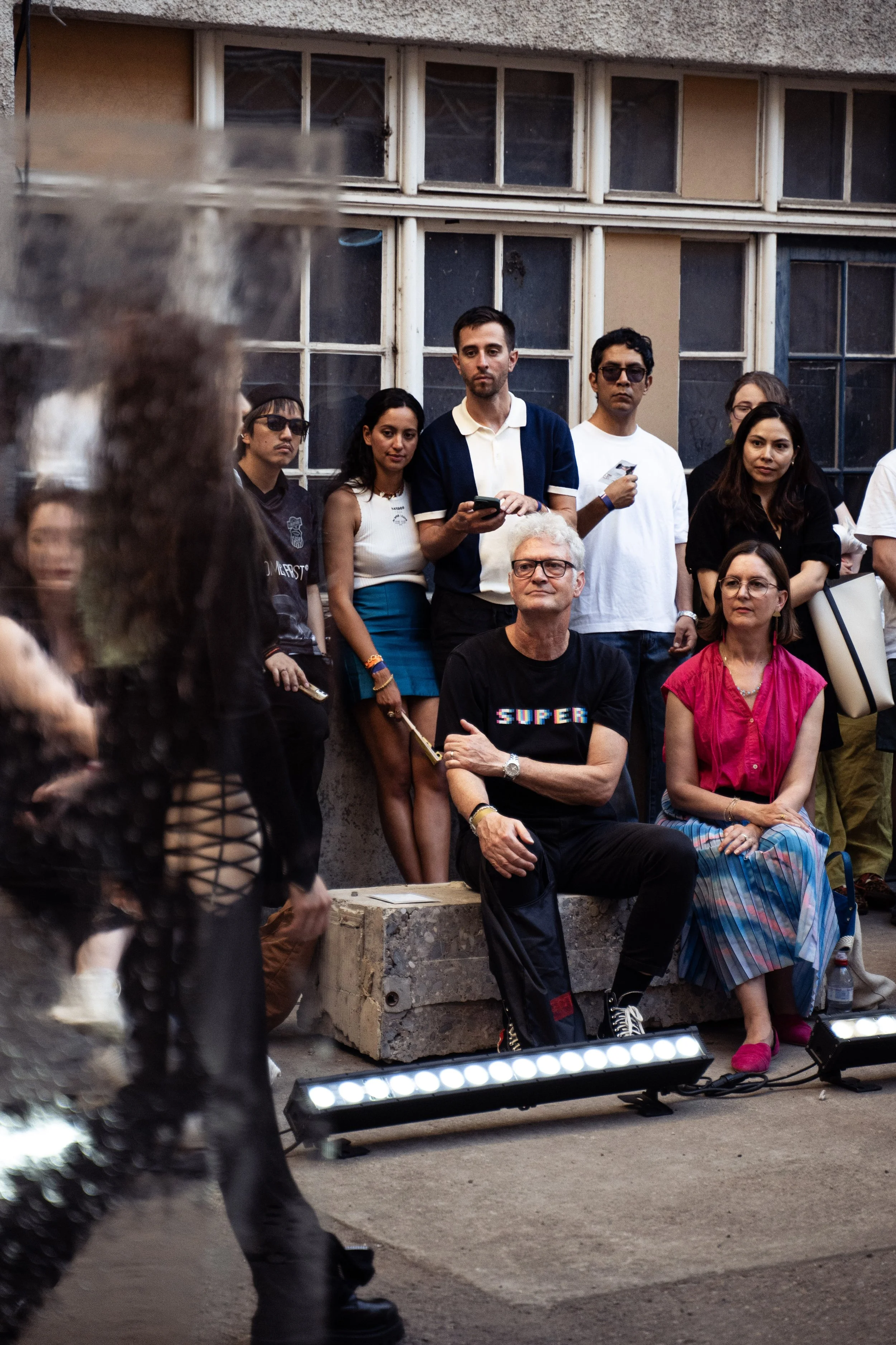
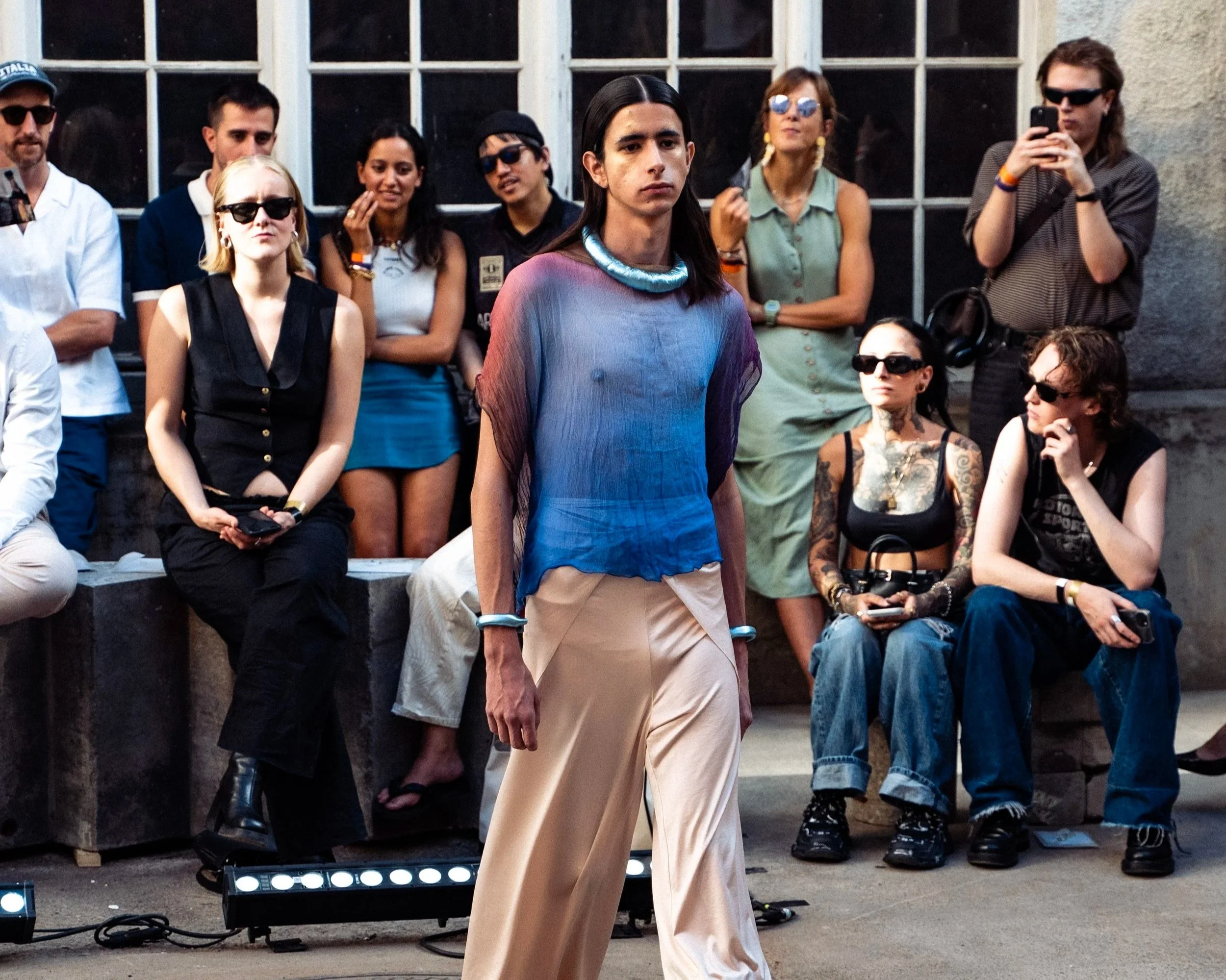
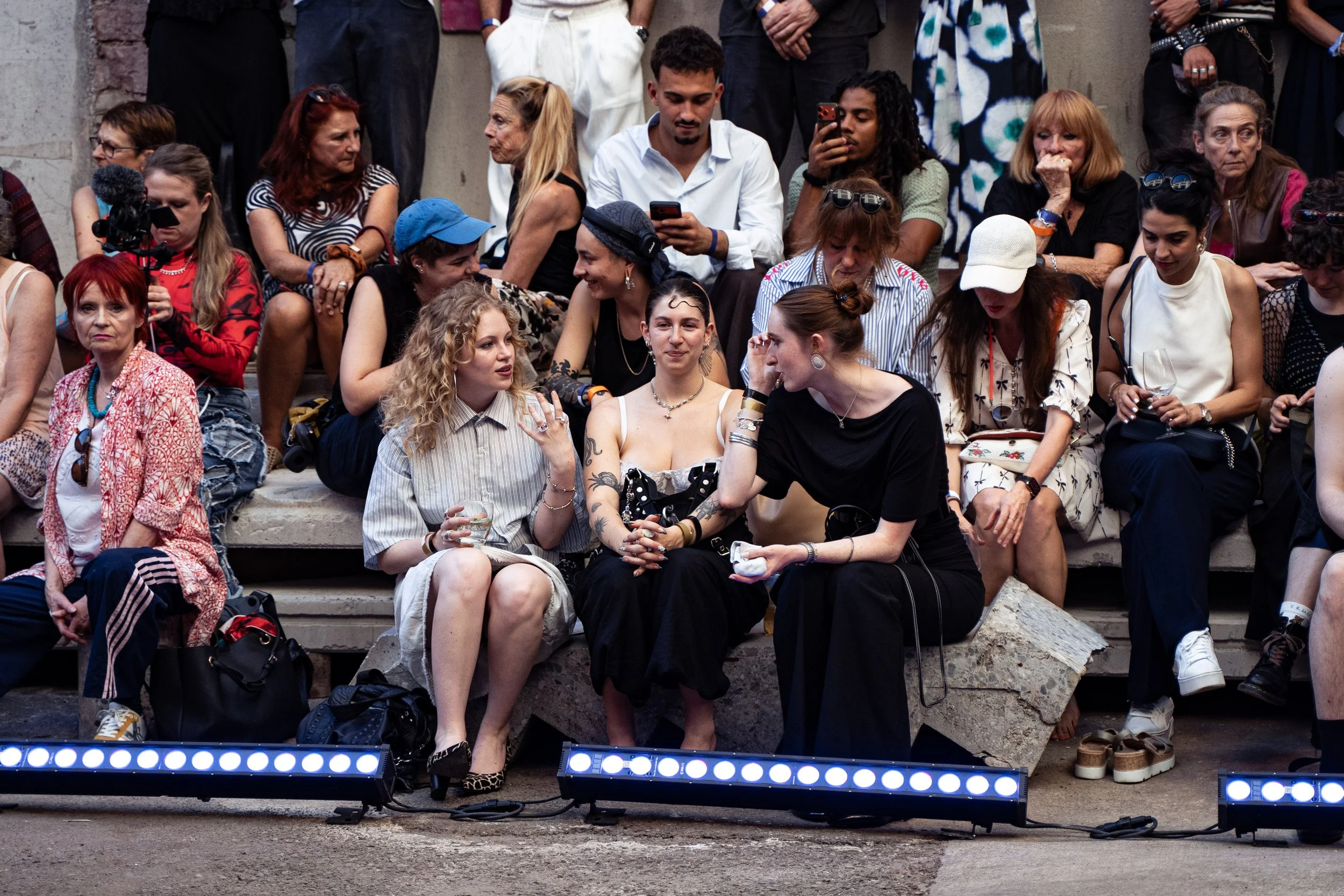
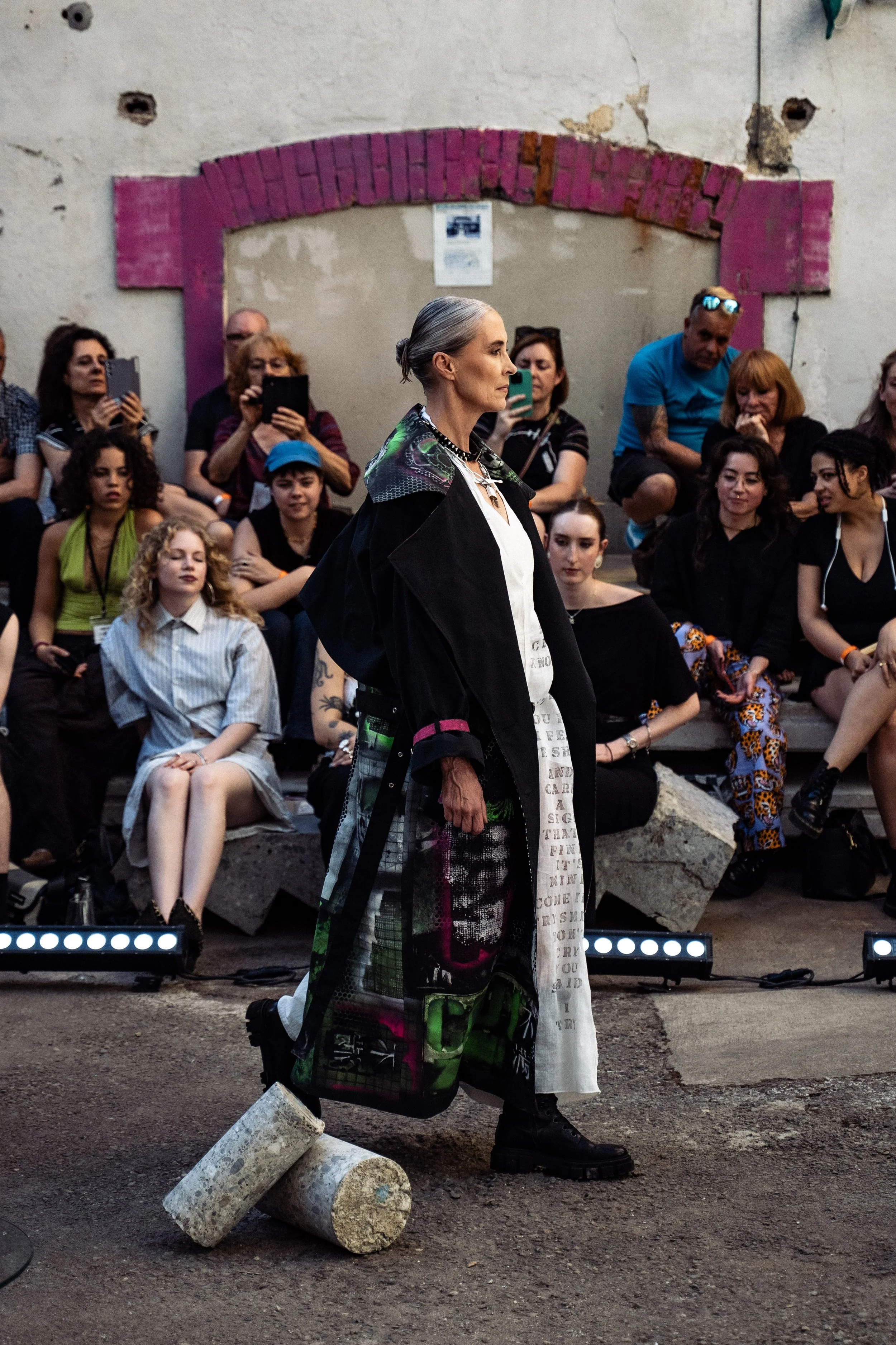
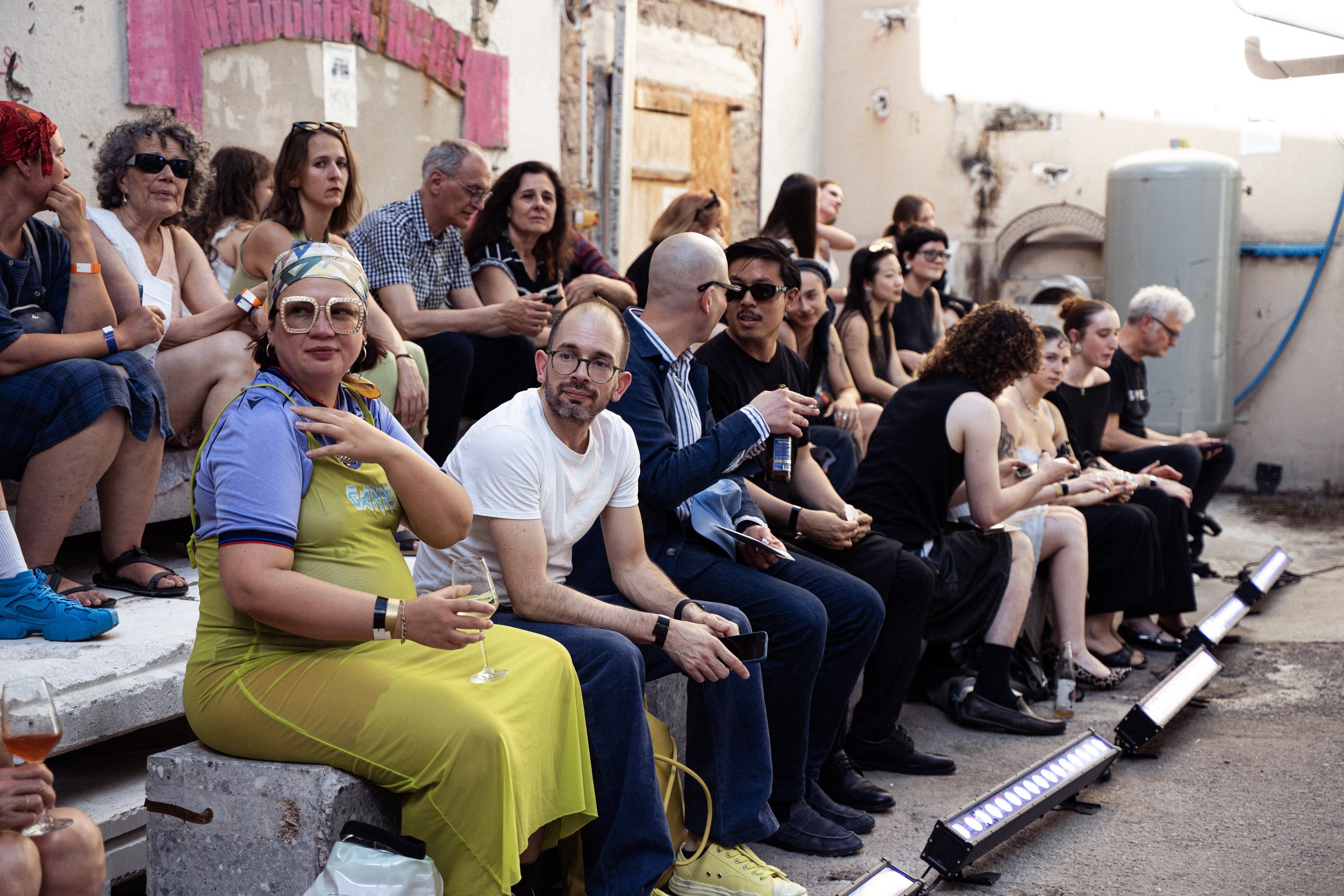
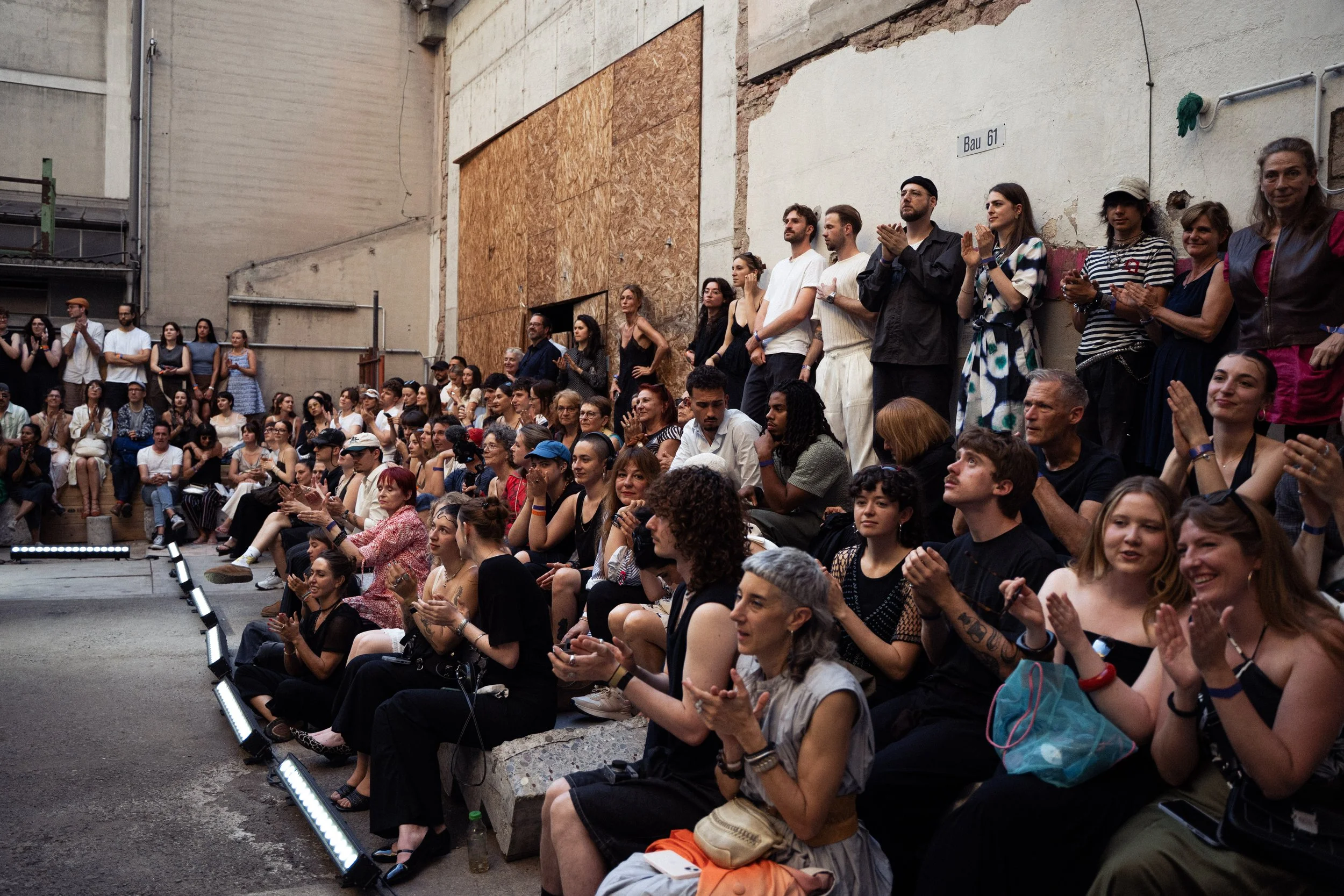
Franck Areal’s industrial architecture set a focused tone: its concrete surfaces, metal bones, and open volume offered a raw, honest backdrop, reinforcing a sense of emergence that flowed throughout the evening. The result was not a polished fantasy disconnected from its environment, but a carefully curated and highly charged space for encounter: part runway, part cultural assembly, part invitation into the unseen processes behind fashion.
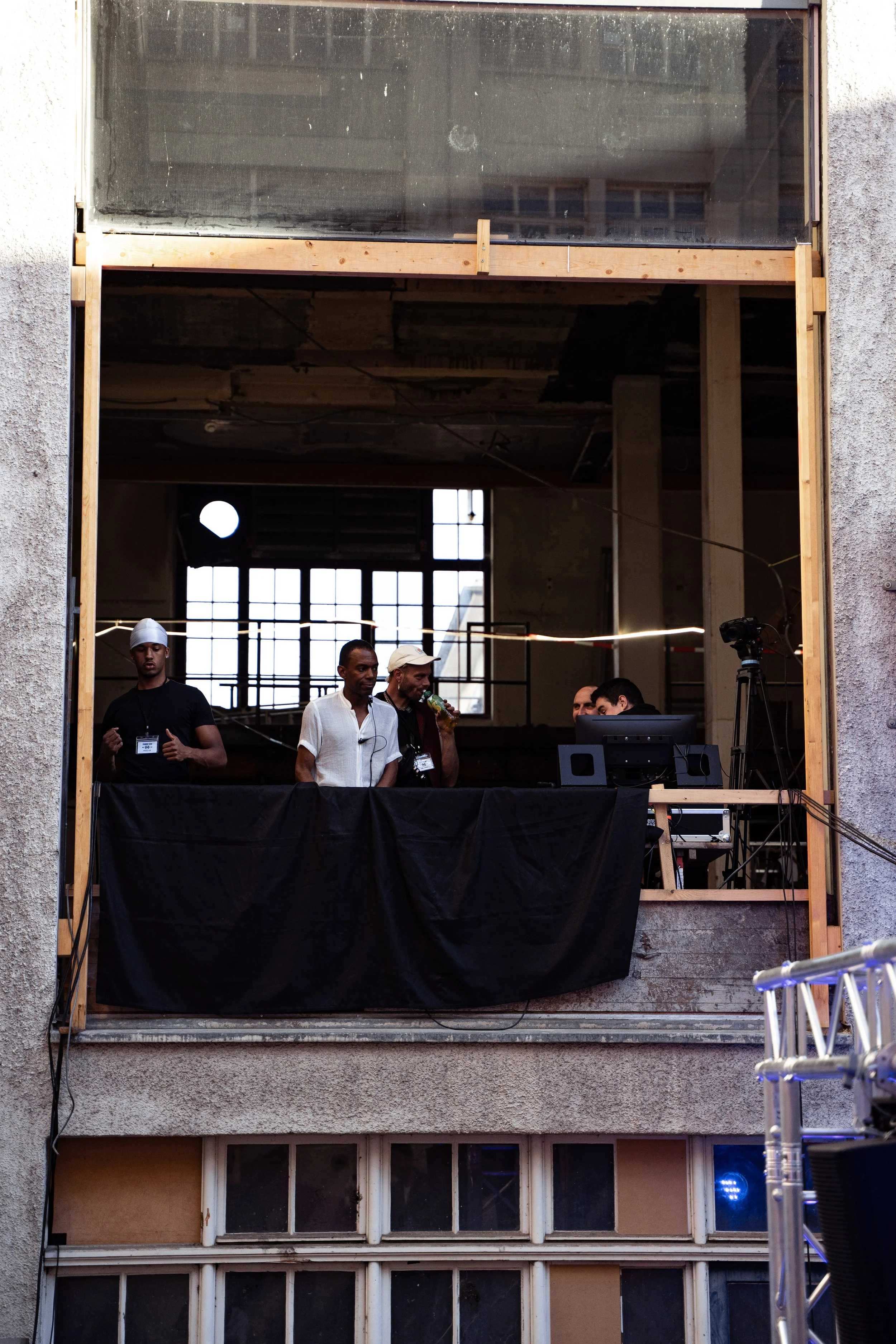
The scenography by Alessandra Hofmann established a clear spatial logic for the runway. Light fell in slow gradients through the glass installations and set design, softening the industrial edges and balancing the runway’s form and emotional tone. Sound direction by Cédric Elisabeth introduced a thematic tempo across transitions, complementing each collection without overpowering it. Movement direction by Baptiste Berrin shaped the flow of the evening through deliberate pacing and fluidity, allowing the runway to function more as a path than a stage, and giving each presentation a distinct yet connected presence.
The Scene
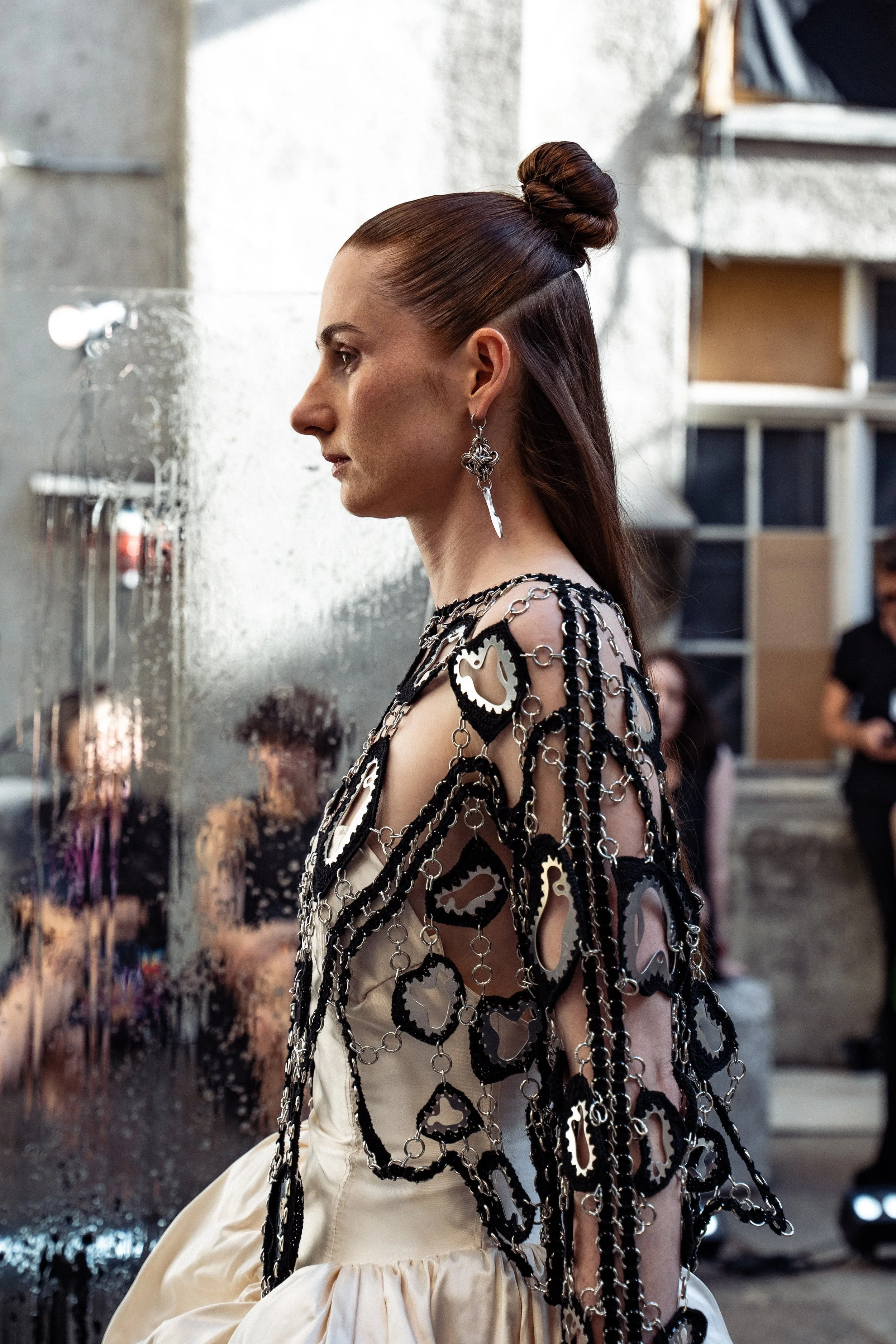
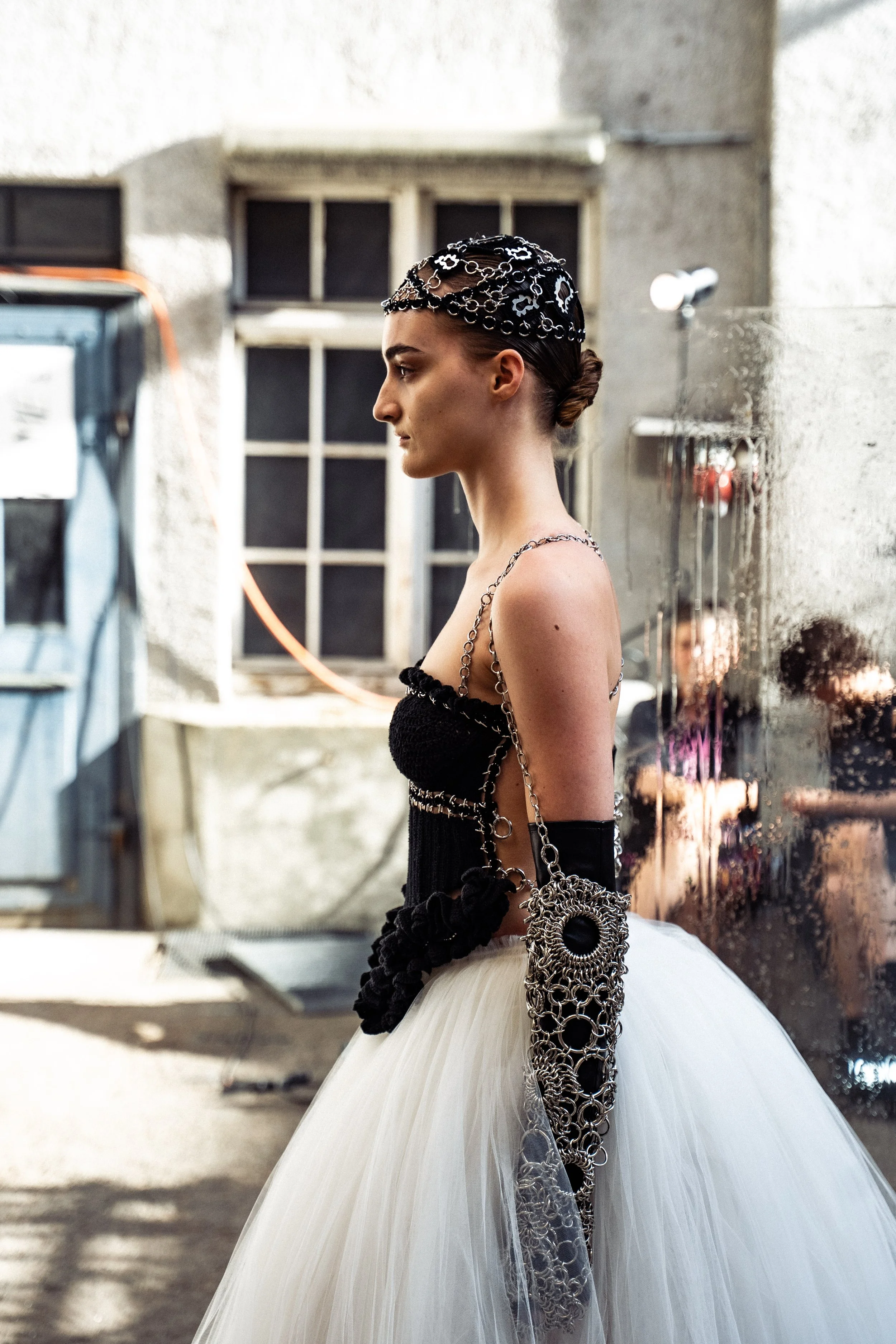
Across the two shows, each designer approached their collection with a specific material vocabulary and conceptual direction. Built through months of formulation, research, design development, pattern drafting, prototyping, refining, fitting and countless other decisions, the works reflected the diverse perspectives and innovative approaches of a generation of creatives attempting to build sustainable practices within the industry. Together, their collections featured a broad view of contemporary independent fashion practice in Switzerland, ranging from sculptural silhouettes to handcrafted objects, from tailored restraint to experimental accessories.
The Brands
1. MANIEGA
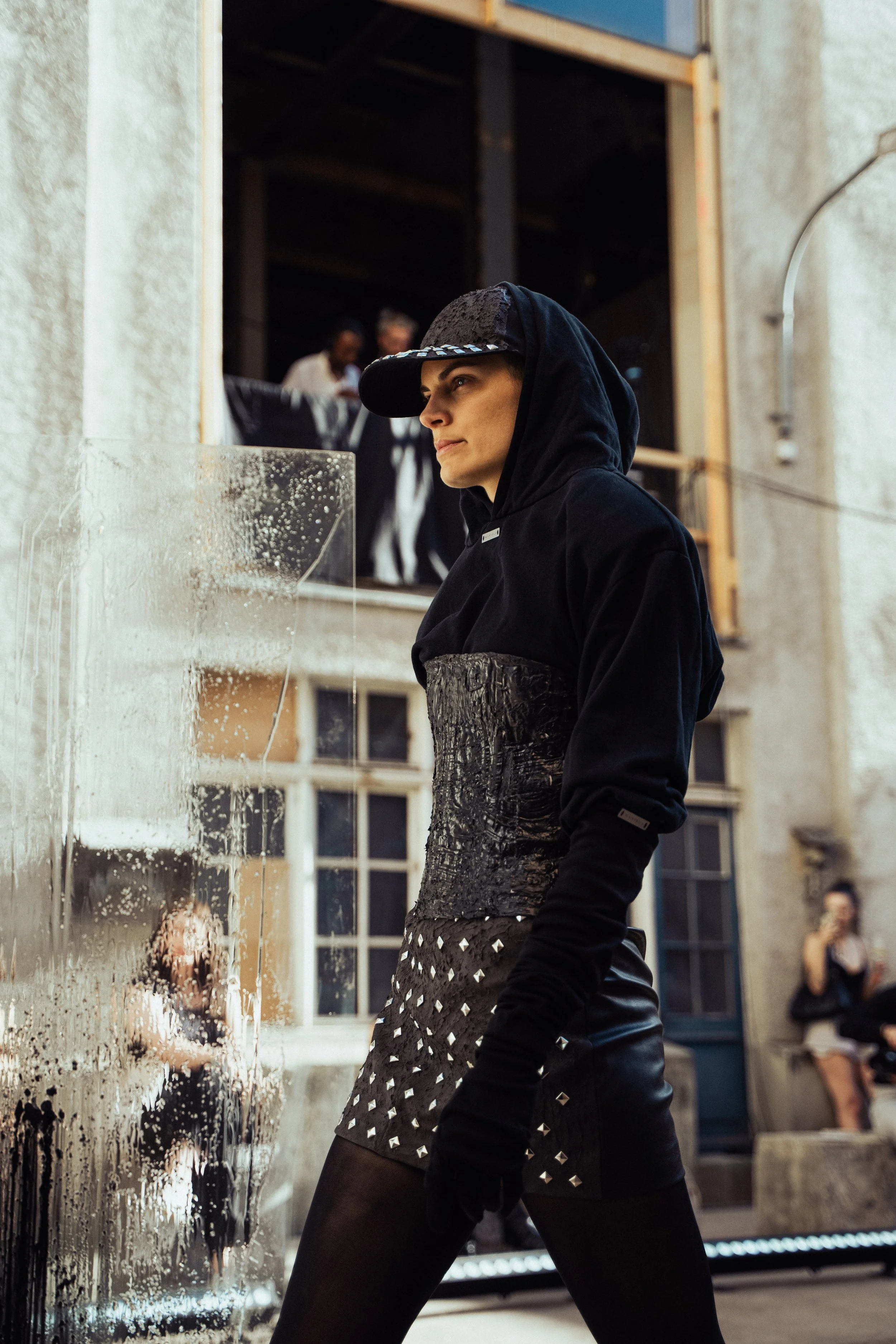
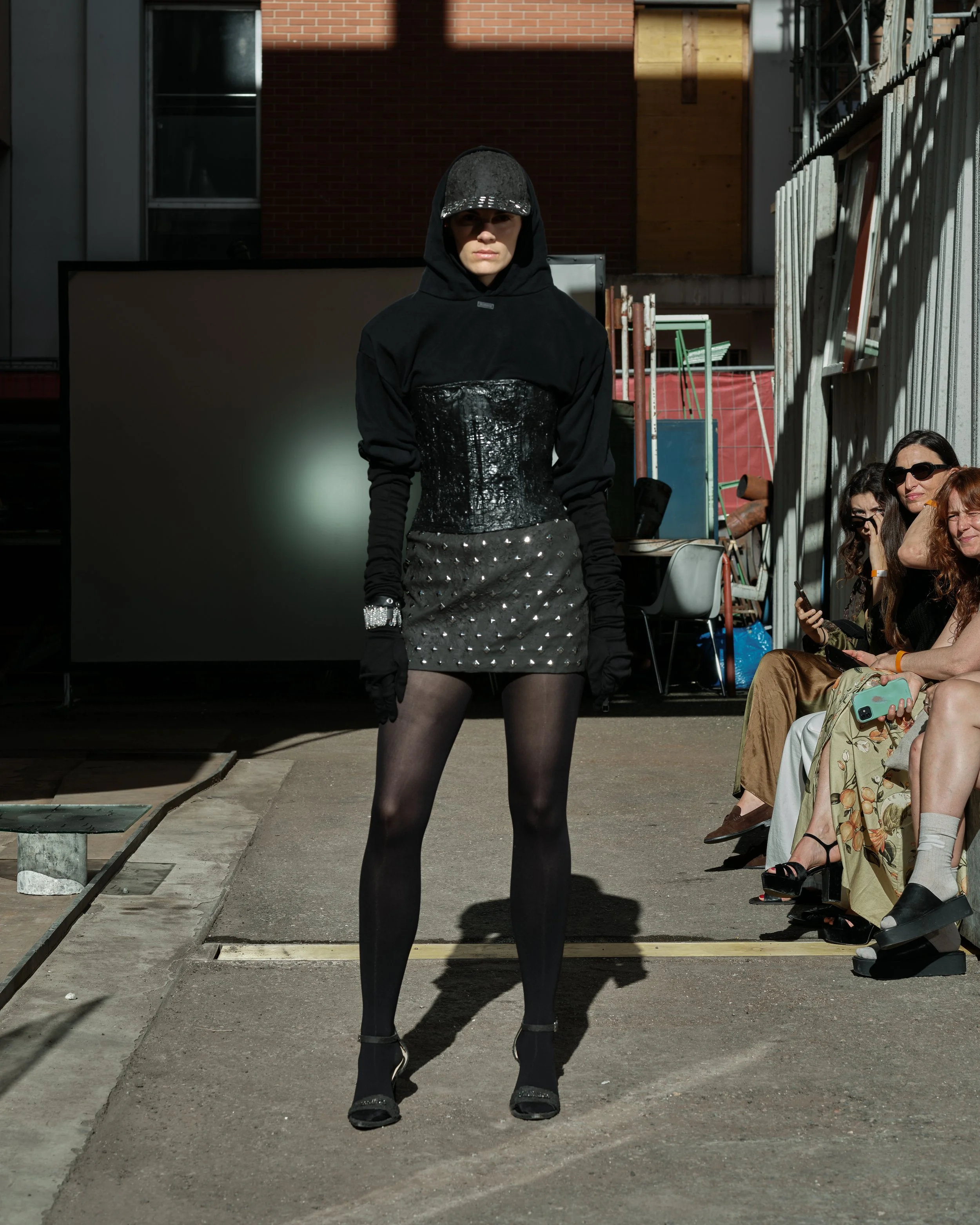
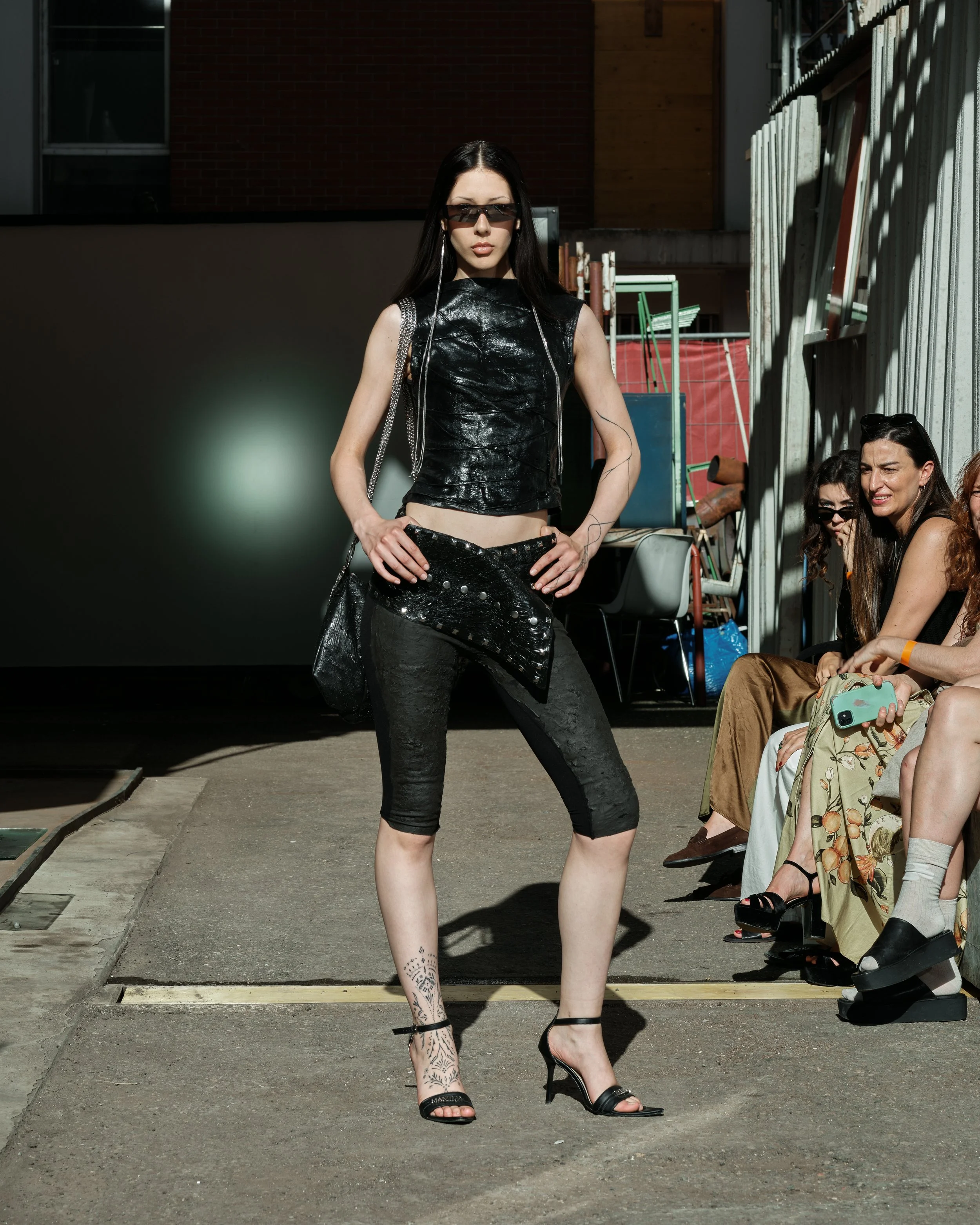
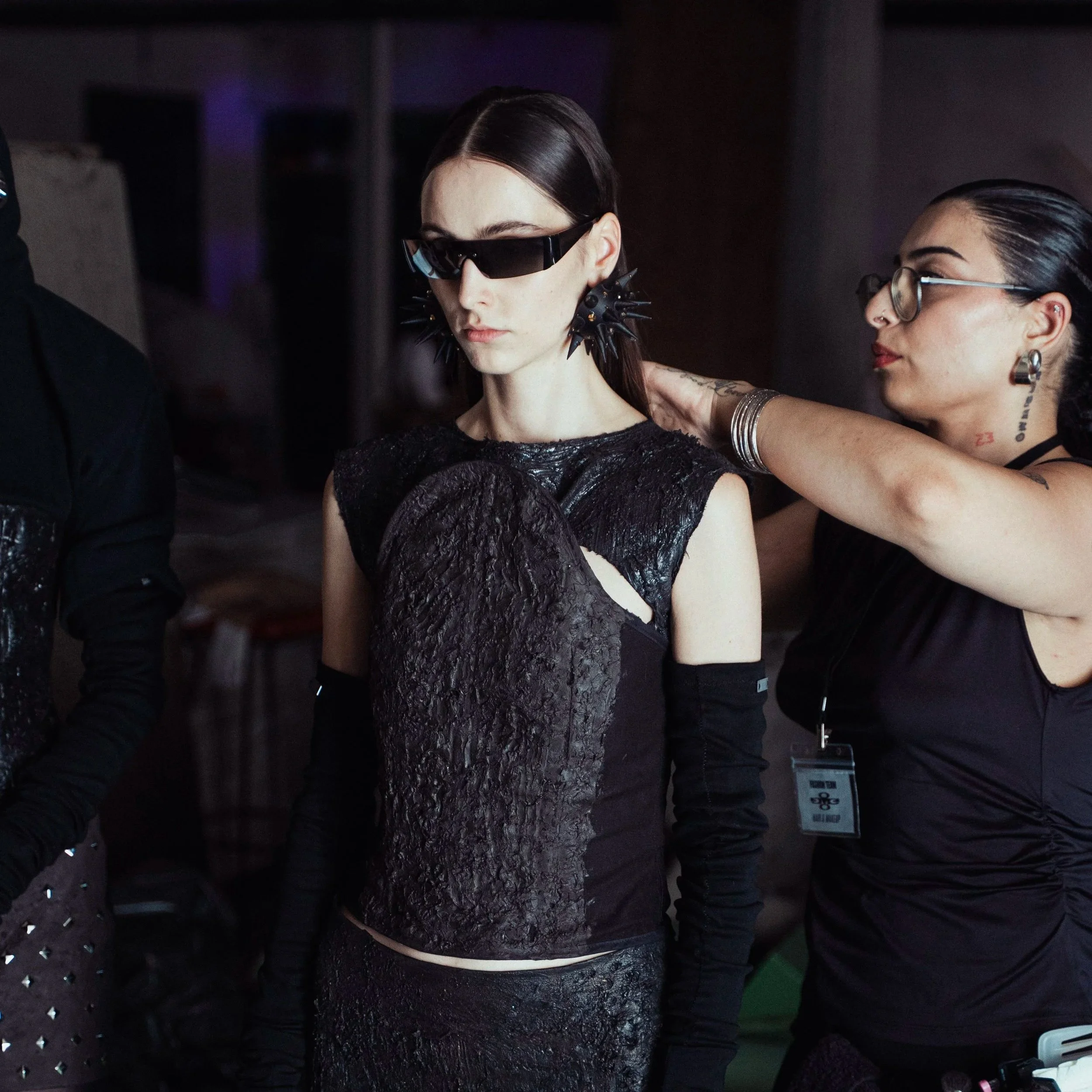
The Archive Mix collection by Maniega explores a femininity that is powerful, brutal, and unapologetic. Silicone textures reminiscent of diseased skin challenge traditional notions of beauty, transforming discomfort into strength. Through monochromatic silhouettes, sharp spikes, and metallic hardware, the garments become both armor and expression—embodying a woman who is dangerous, seductive, and fiercely empowered.





2. Edie Lou Studio
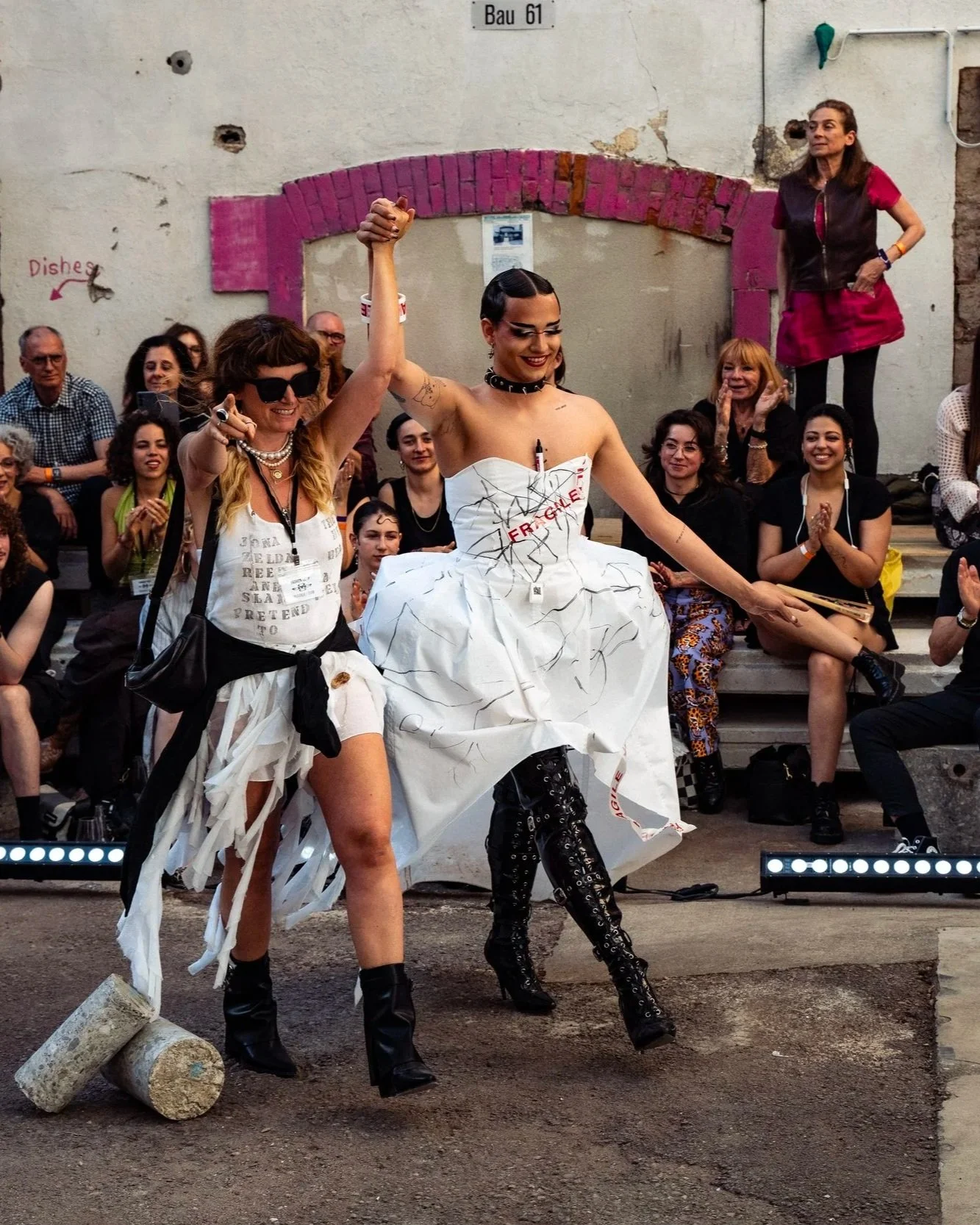
Inspired by John Steinbeck’s novel, Edie Lou Studio presented The Moon Is Down collection that explores human dignity, courage, and resilience in times of uncertainty. Drawing on the relationship between humanity, the earth, and the universe, the garments and handcrafted objects reflect on what remains when certainty disappears: our shared existence, our connection to one another, and the enduring strength of the human spirit.


3. Romy Hood
Romy Hood presented the Terrestrial Aetheric collection, featuring new pieces inspired by the richness of nature, contrasting with the deep inspiration she draws from found and collected materials rescued from being discarded. Her creations express the love of nature, the planet, the universe – and remind us that small actions can make a huge difference.


4. Sarah Bounab
The Sea Does Not Save. It Forges collection by Sarah Bounab explores the idea of contemporary armor. Not armor as protection from the world, but armor as a way of stepping into it. The collection exists in the space between strength and sensuality, structure and fluidity, power and vulnerability.


5. Cèce Serie
Cèce Serie’s instability of perception and the tension created through observation collection is about observation as a spatial force: how being seen, framed, or approached by the gaze can create tension around the body. Rather than treating clothing as a surface, the garments shape the space around the body through volume, direction, and structure, creating a heightened awareness of movement and presence.


6. NOERAH
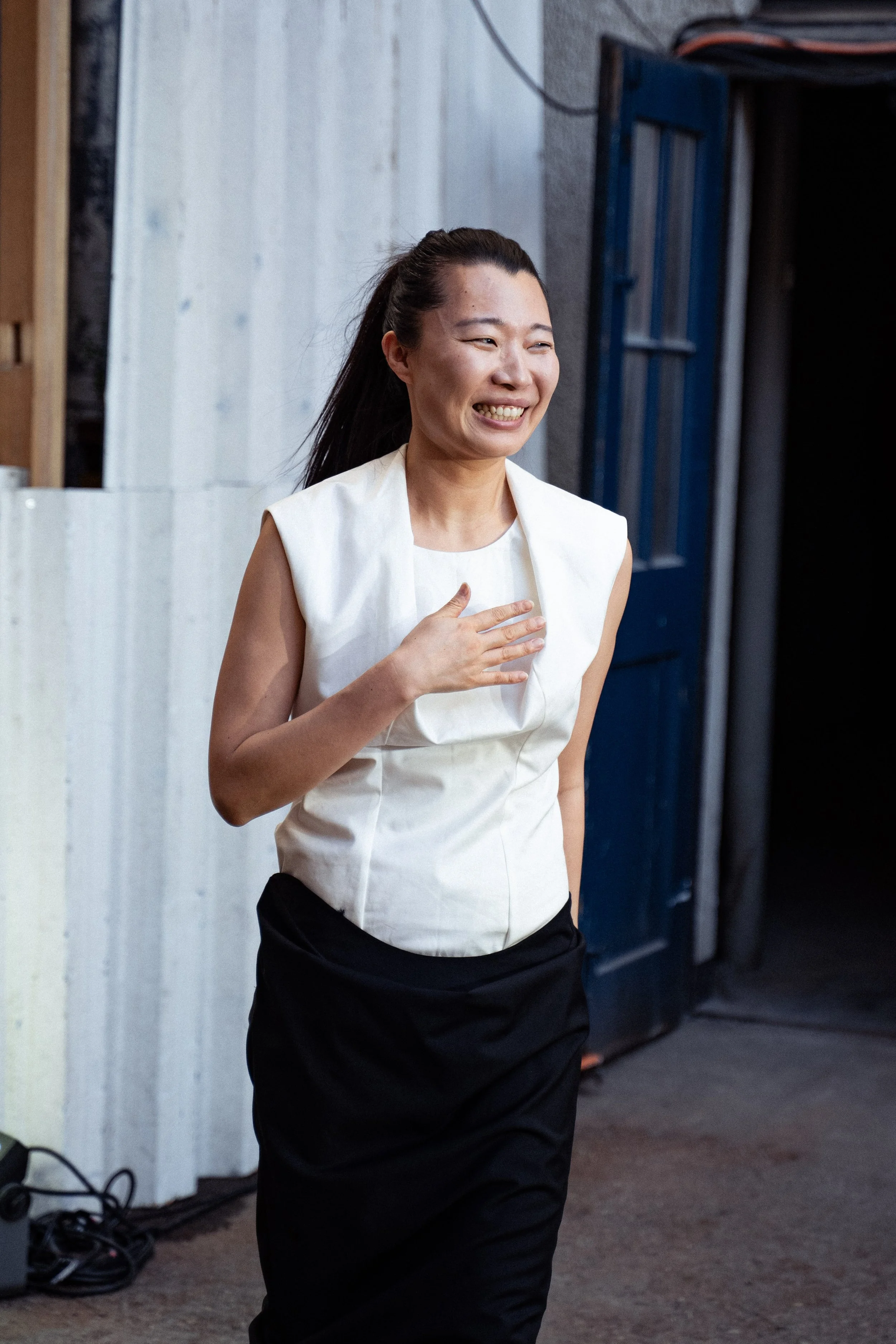
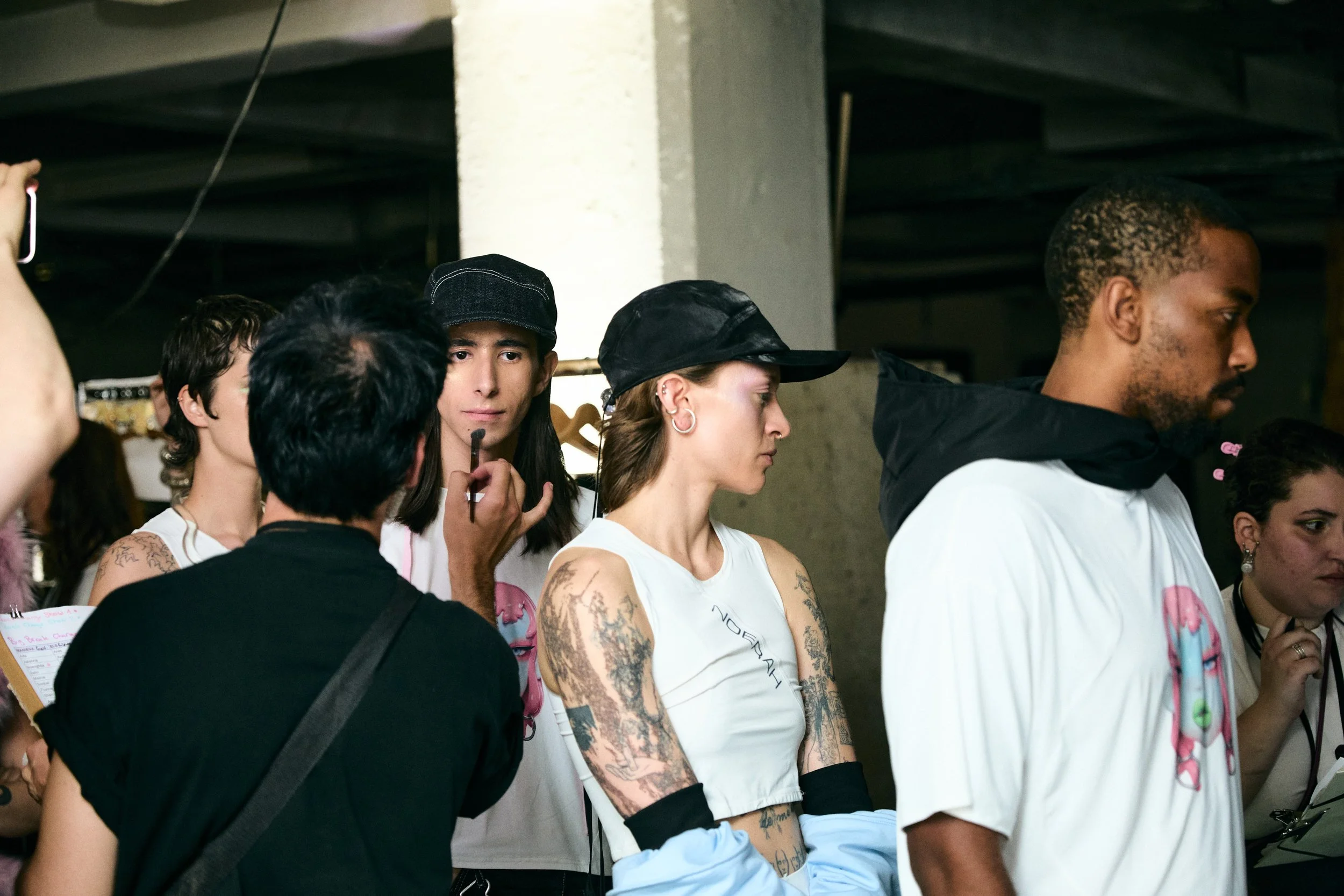
The NOERAH FW26 debut collection plays with the idea of «accessorize until you’re dressed» as both method and attitude. It is an exploration of accessories not as additions, but as the starting point from which garments emerge. Influenced by electronic music, club culture, posthuman feminism and avatar-based styling games, the collection proposes a universe of wearable fantasies, shifting identities, synthetic glamour and collective imagination.




7. XAUM
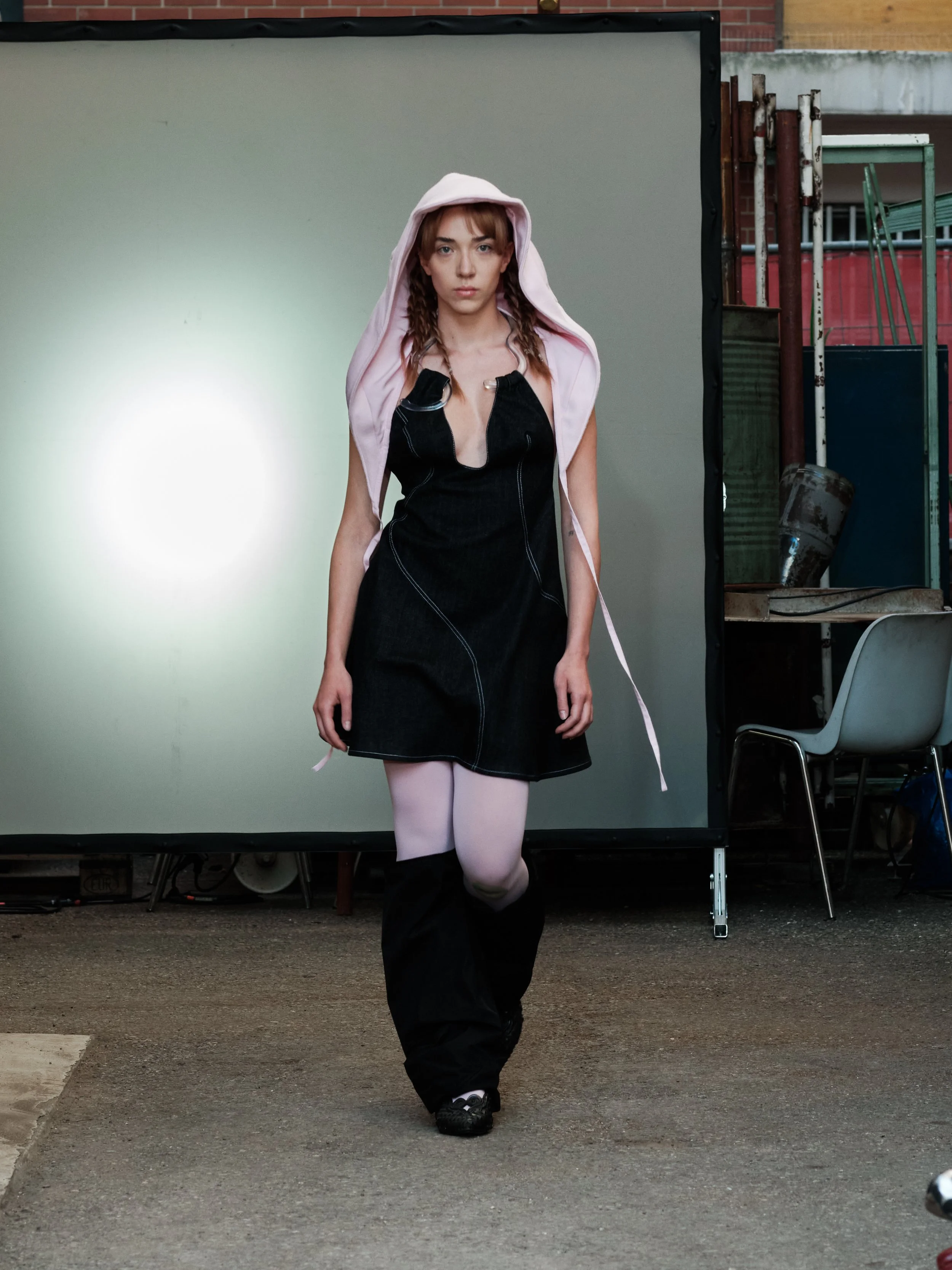
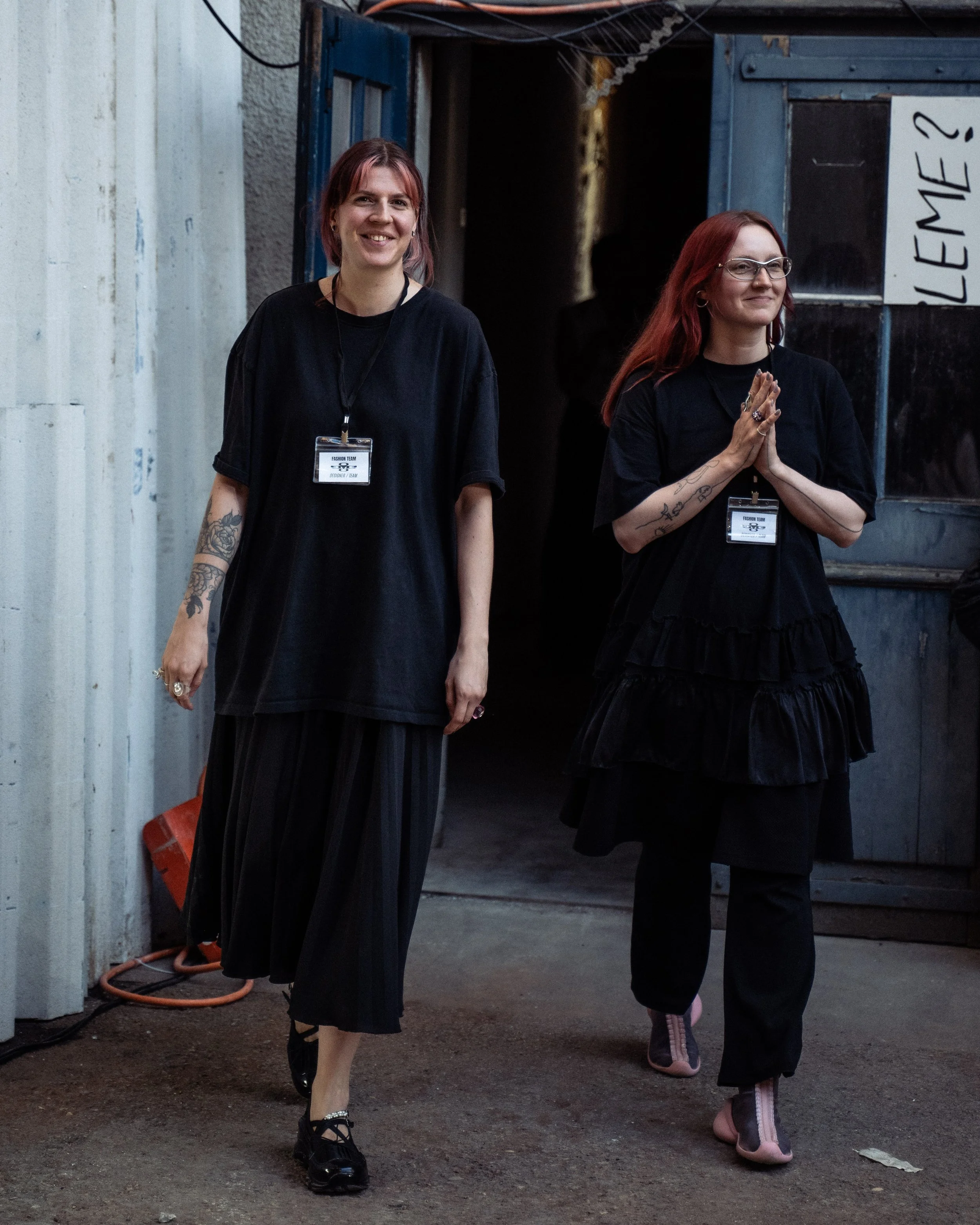
XAUM presented a collection of sensual and feminine silhouettes developed through a made-to-measure approach. The collection explores a cold and restrained sensuality through tailoring, transparency and precise construction. Developed mainly in black, the garments create tension between structure and exposure. The mood is dark, elegant and controlled. The body is visible, but never presented to provoke. Instead, the work focuses on craftsmanship, silhouette and a quiet confidence.


8. Anastasia Bull
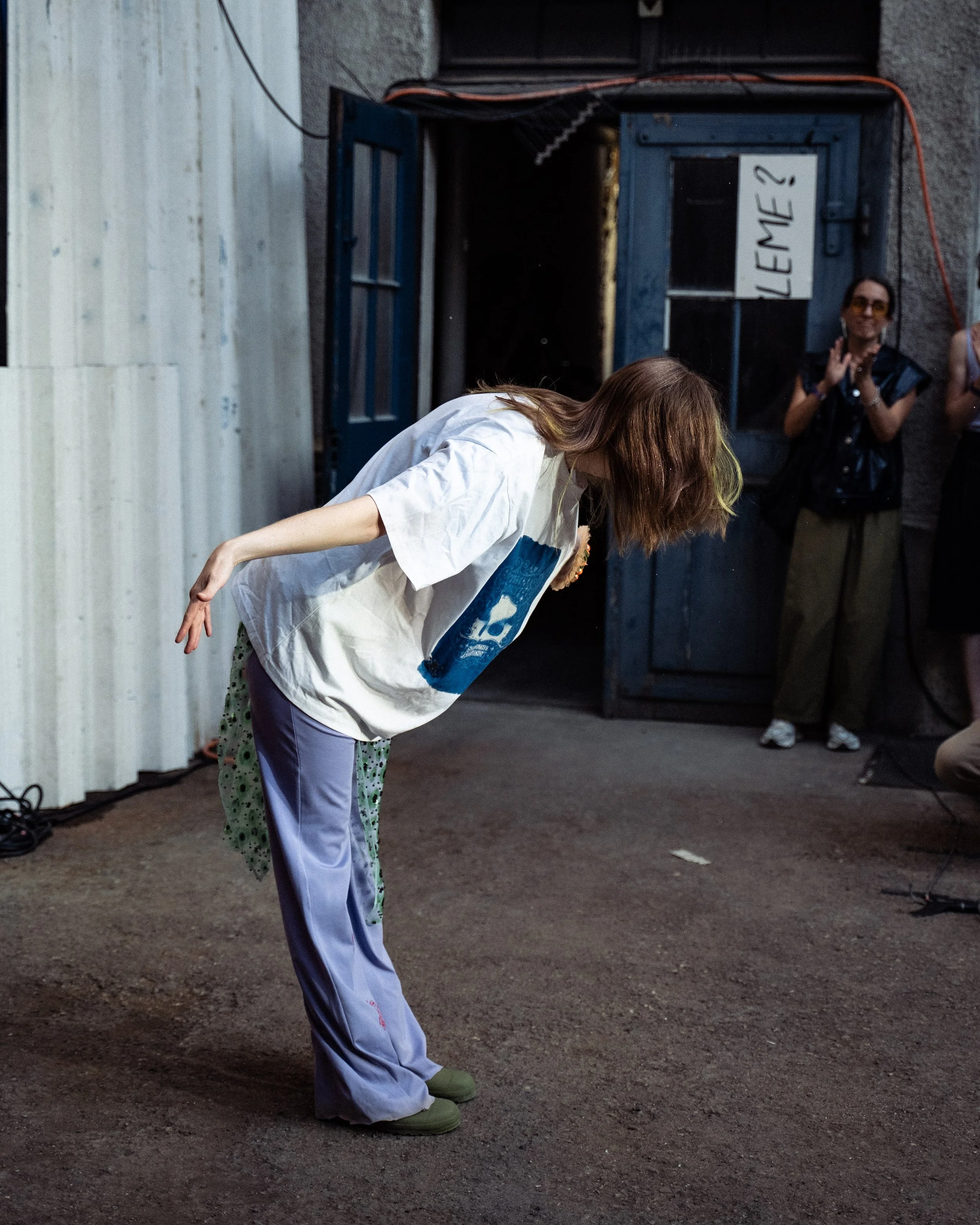
The Decorum of Containment by Anastasia Bull explores the tension between restraint and power, between containment and expression. Inspired by the historical and ongoing demonization of femininity, the collection examines how women have long been expected to discipline their emotions, soften their voices, and contain their presence.


The Behind-the-curtain
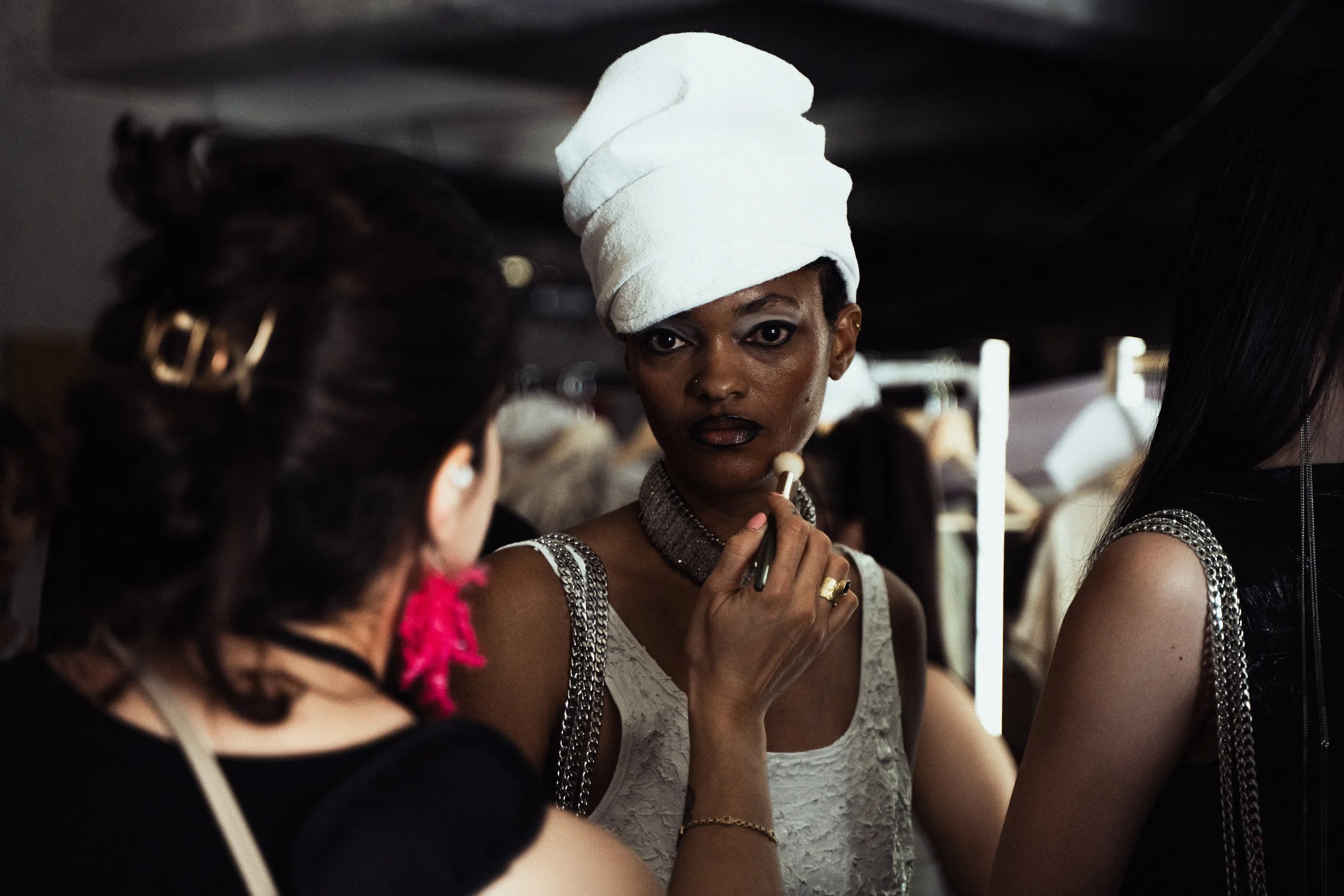
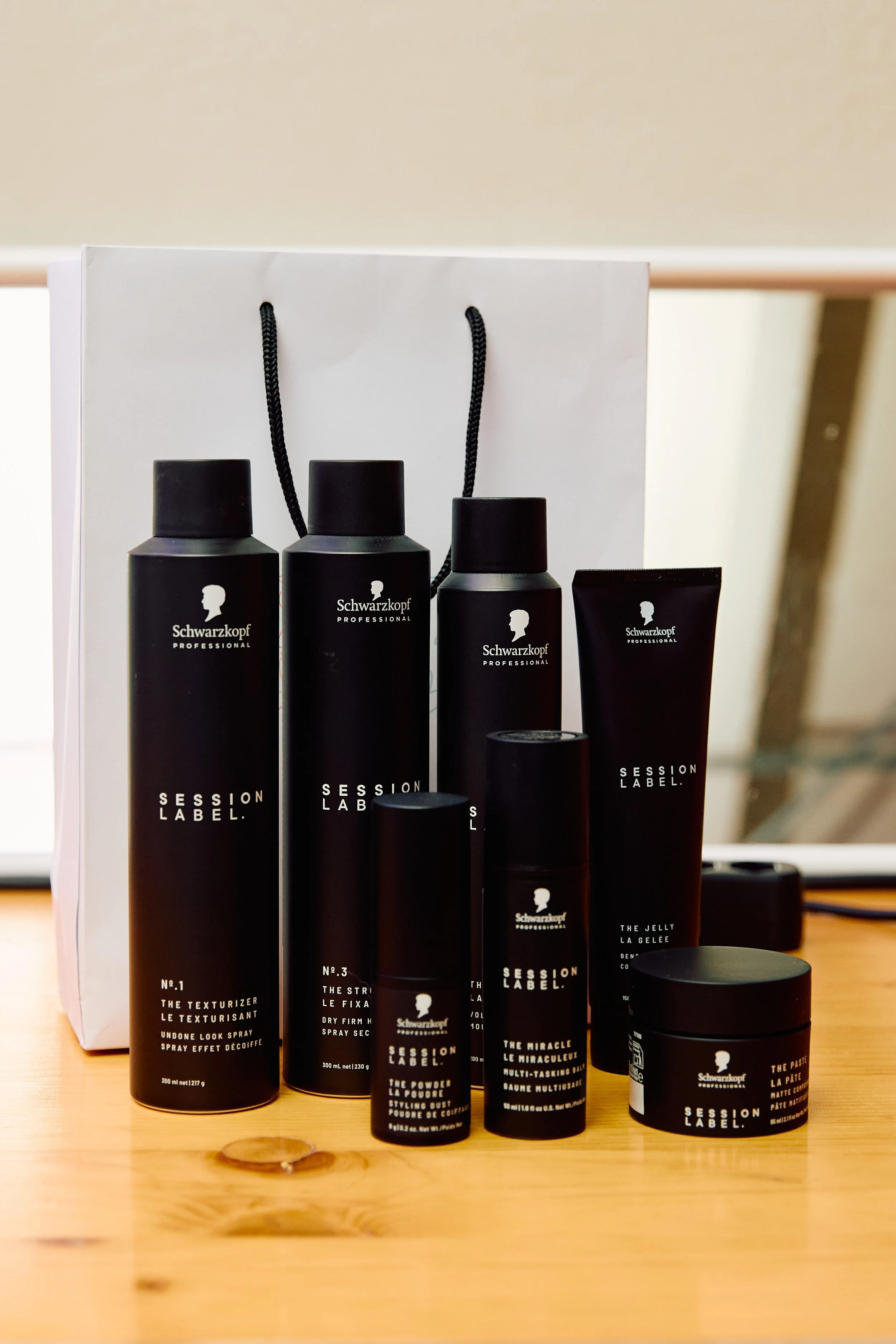
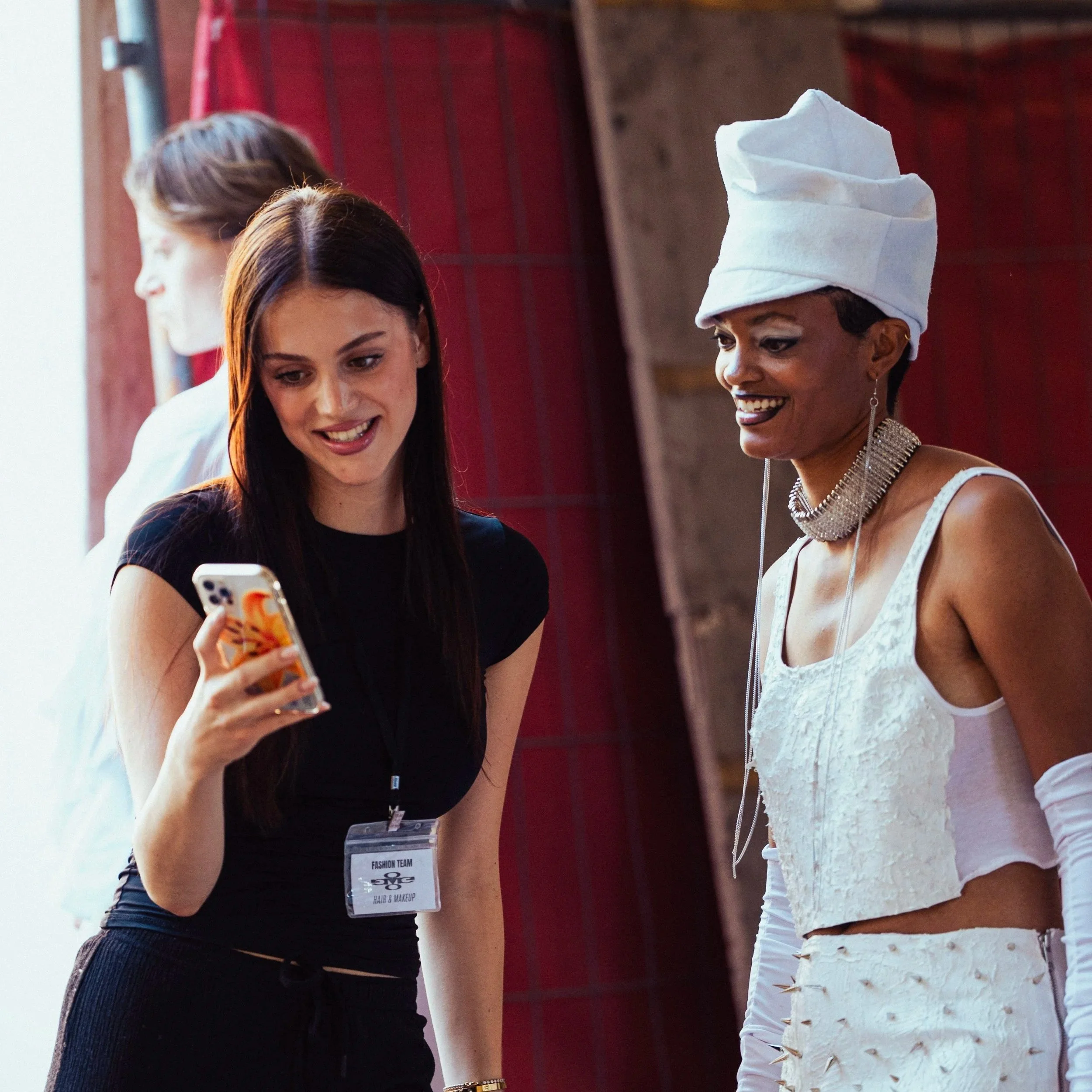
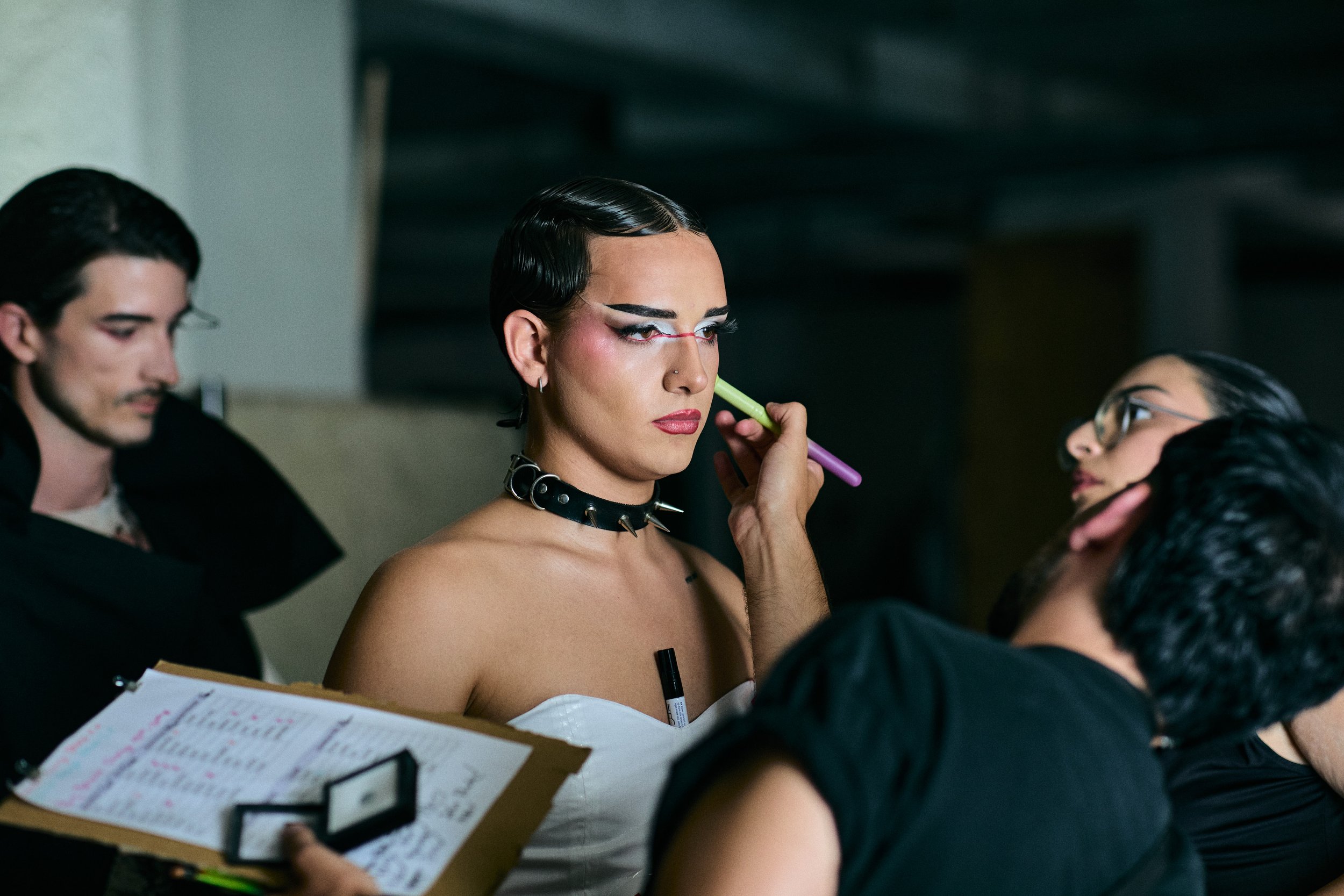
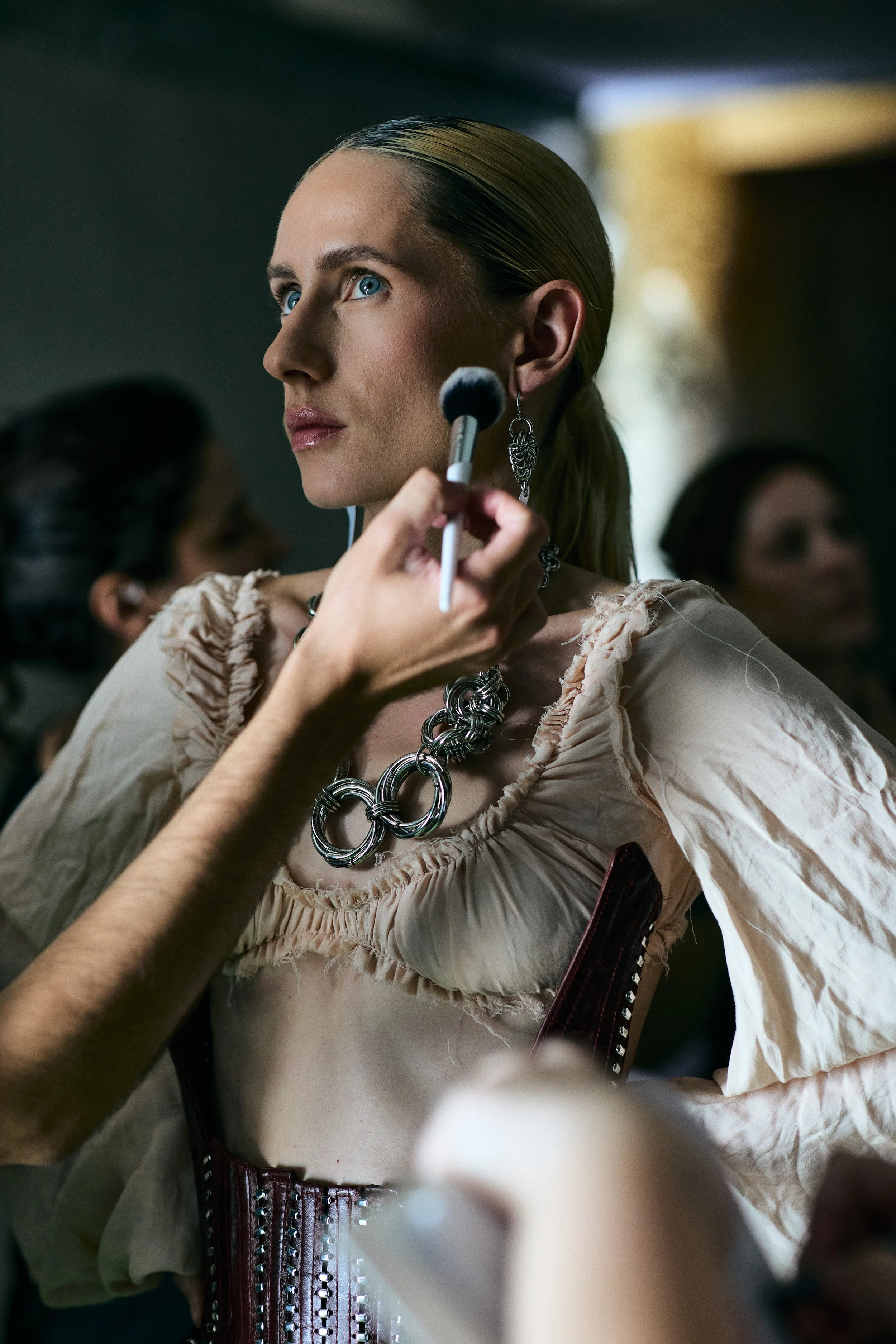
Styling by Bianka Dorina Moos and Hair & Makeup by Pedja Krsmanović were developed from a series of carefully tailored visual mood packages, allowing each designer to select an approach that aligned with their collection. Through close collaboration among the designers, casting, styling, hair and makeup teams, each look was approached with sensitivity to the individual identity of the collections while maintaining a cohesive visual flow across both shows. The Hair & Makeup team was also supported in the process by Schwarzkopf Professional through their sponsored product lineup.
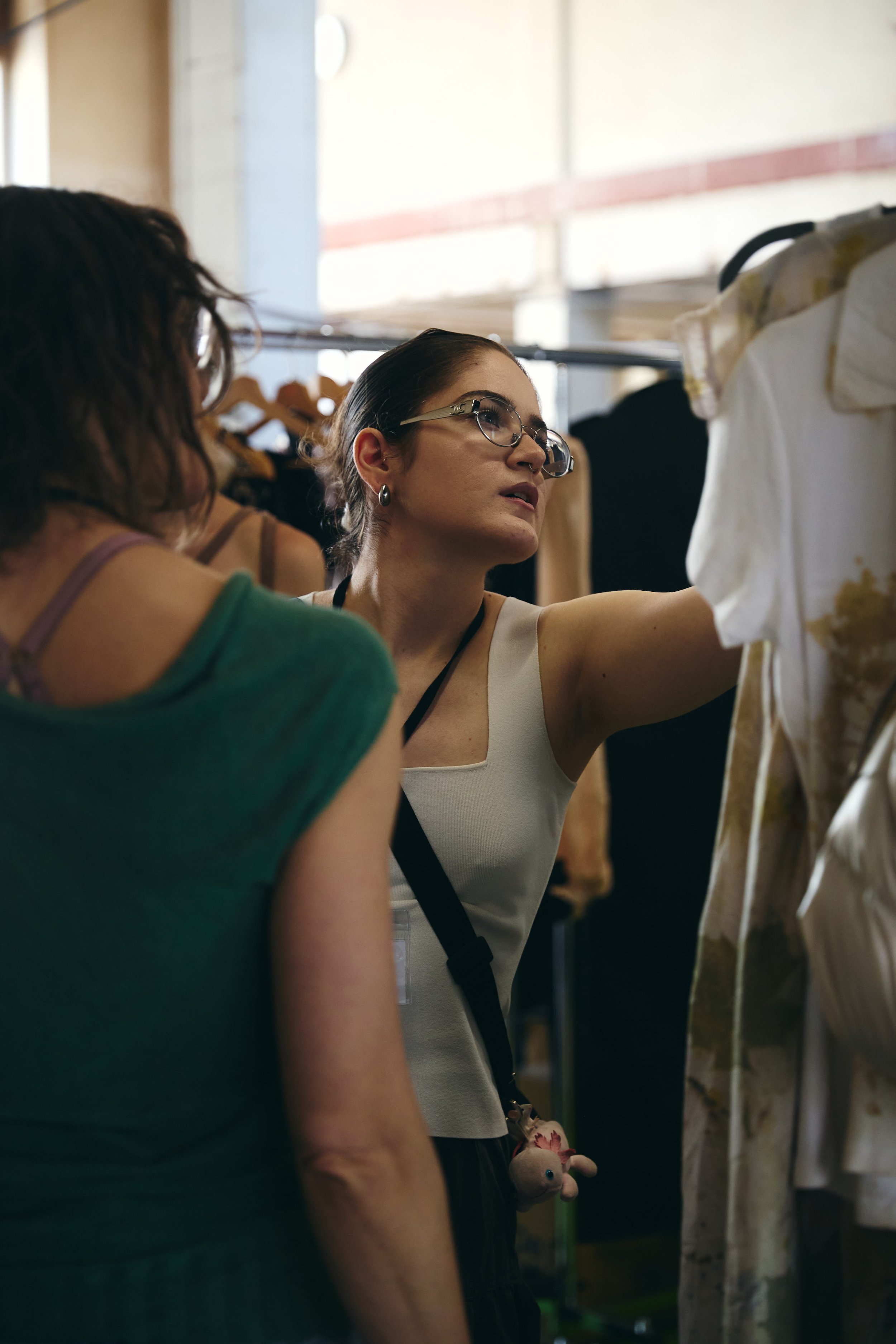
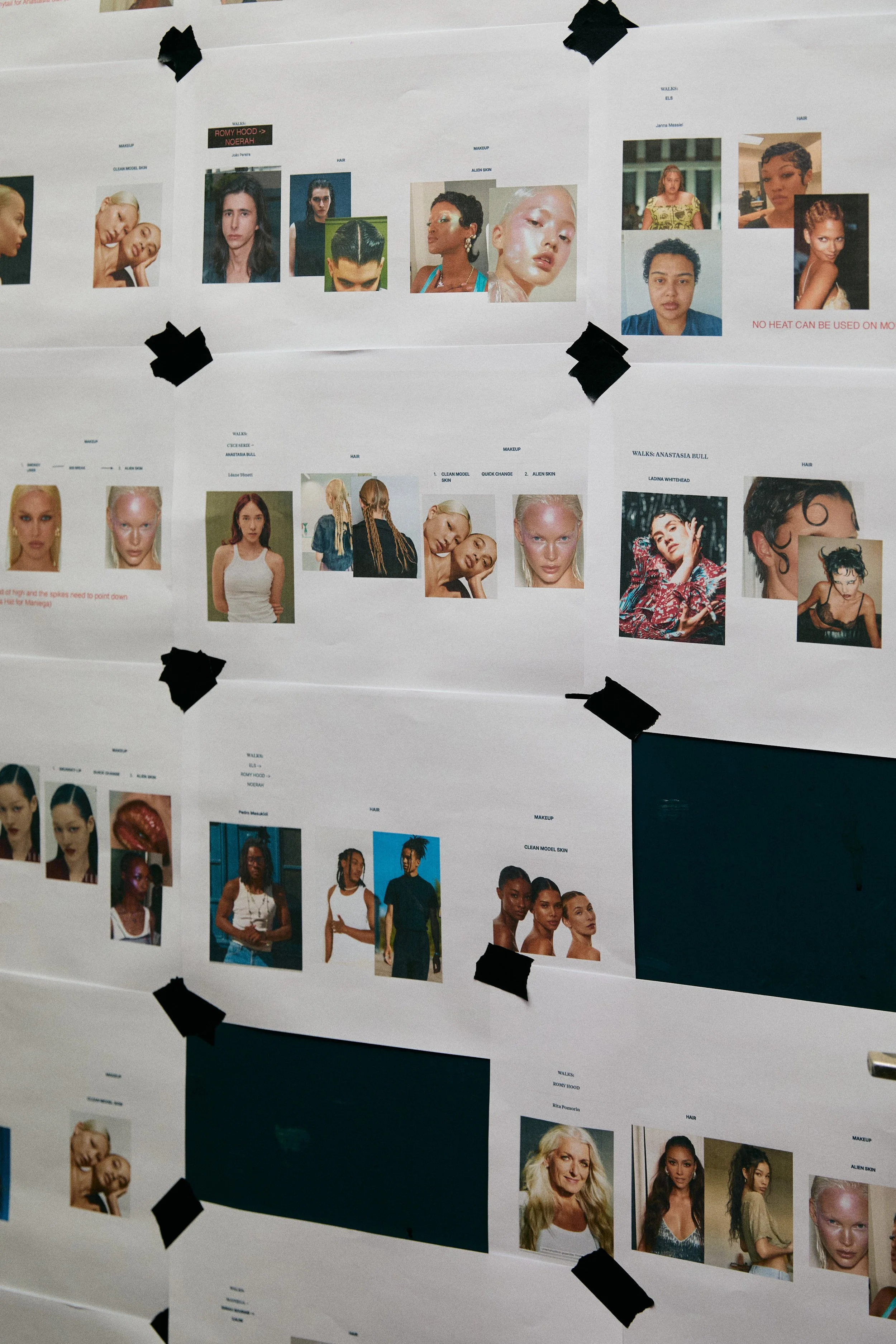
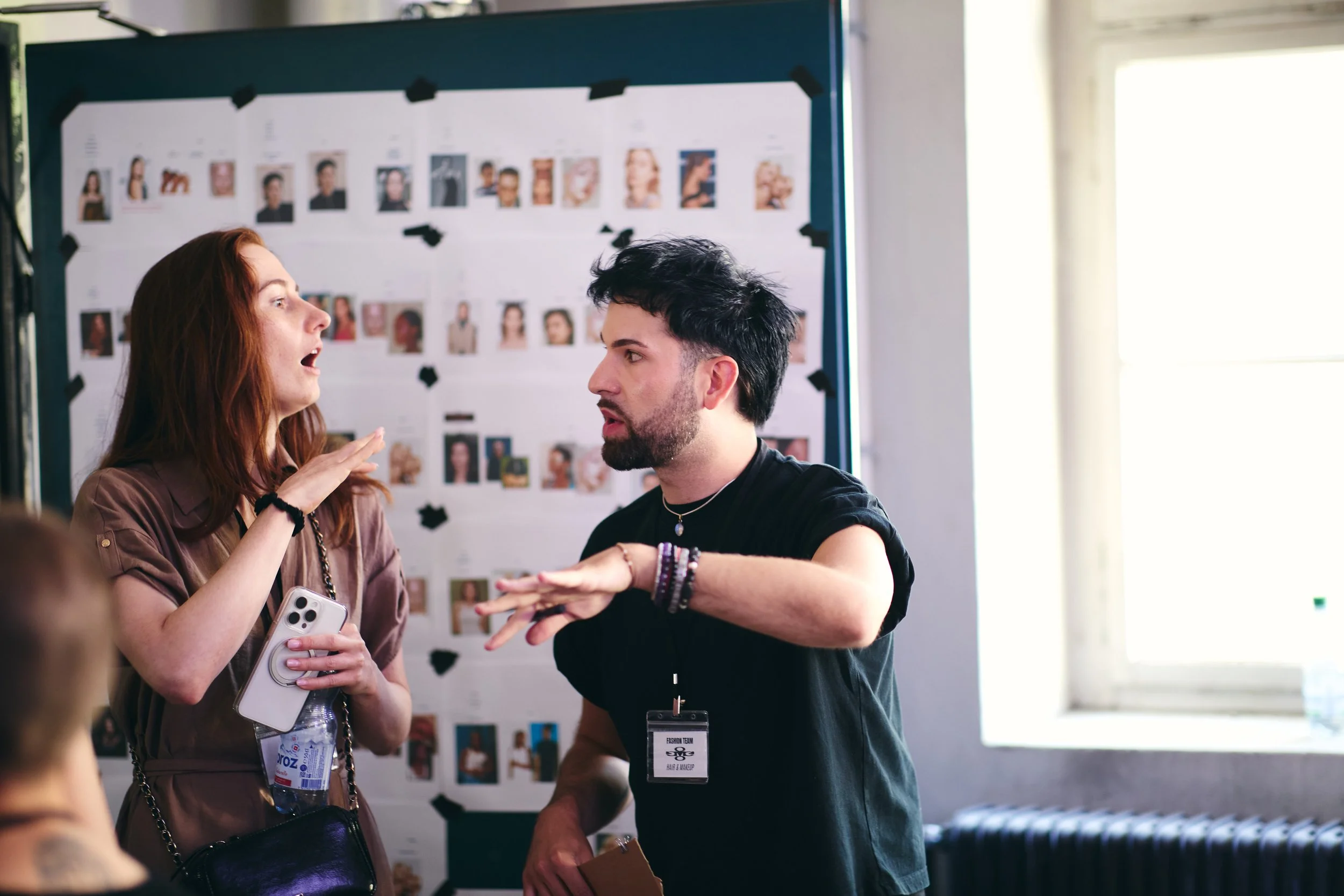
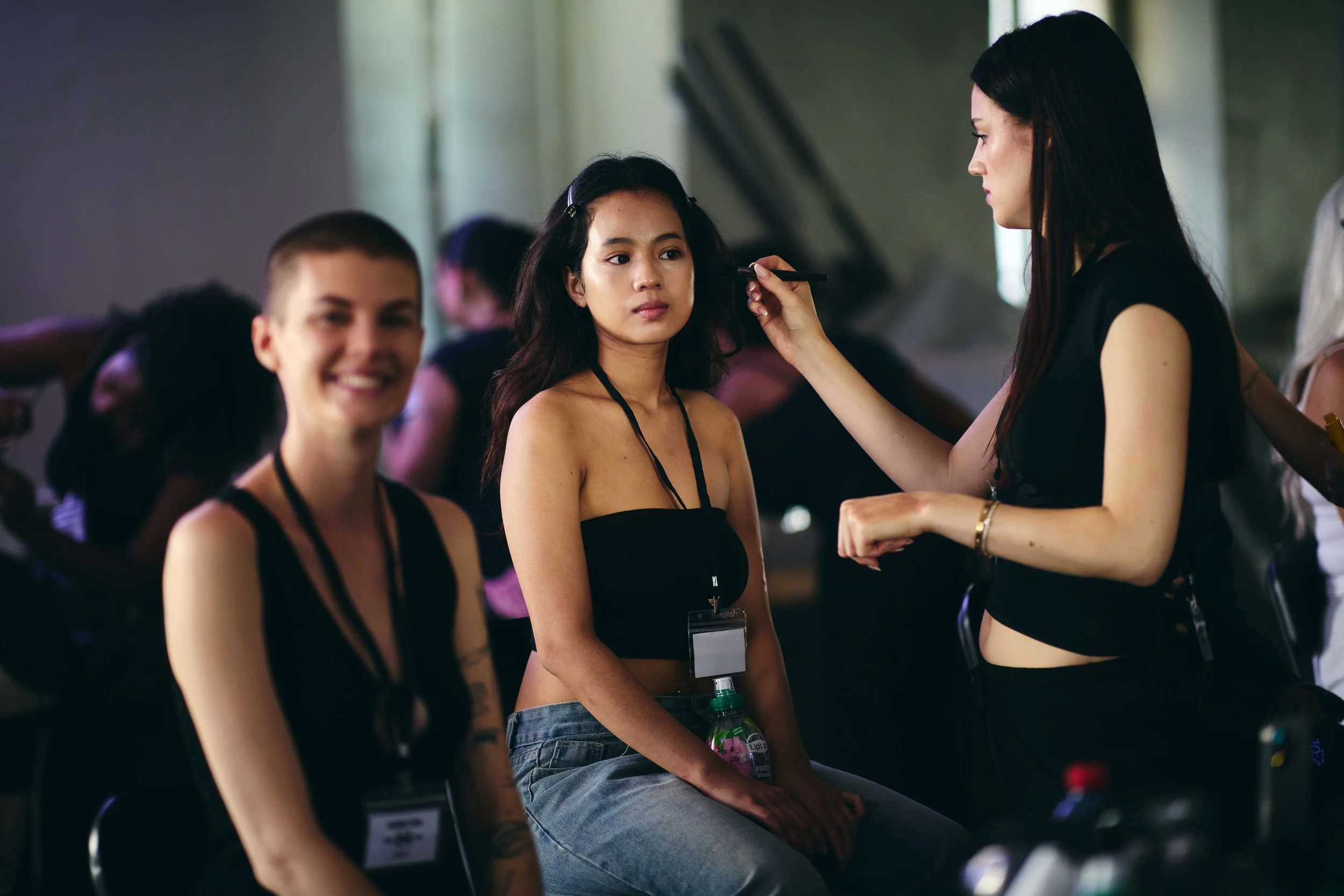
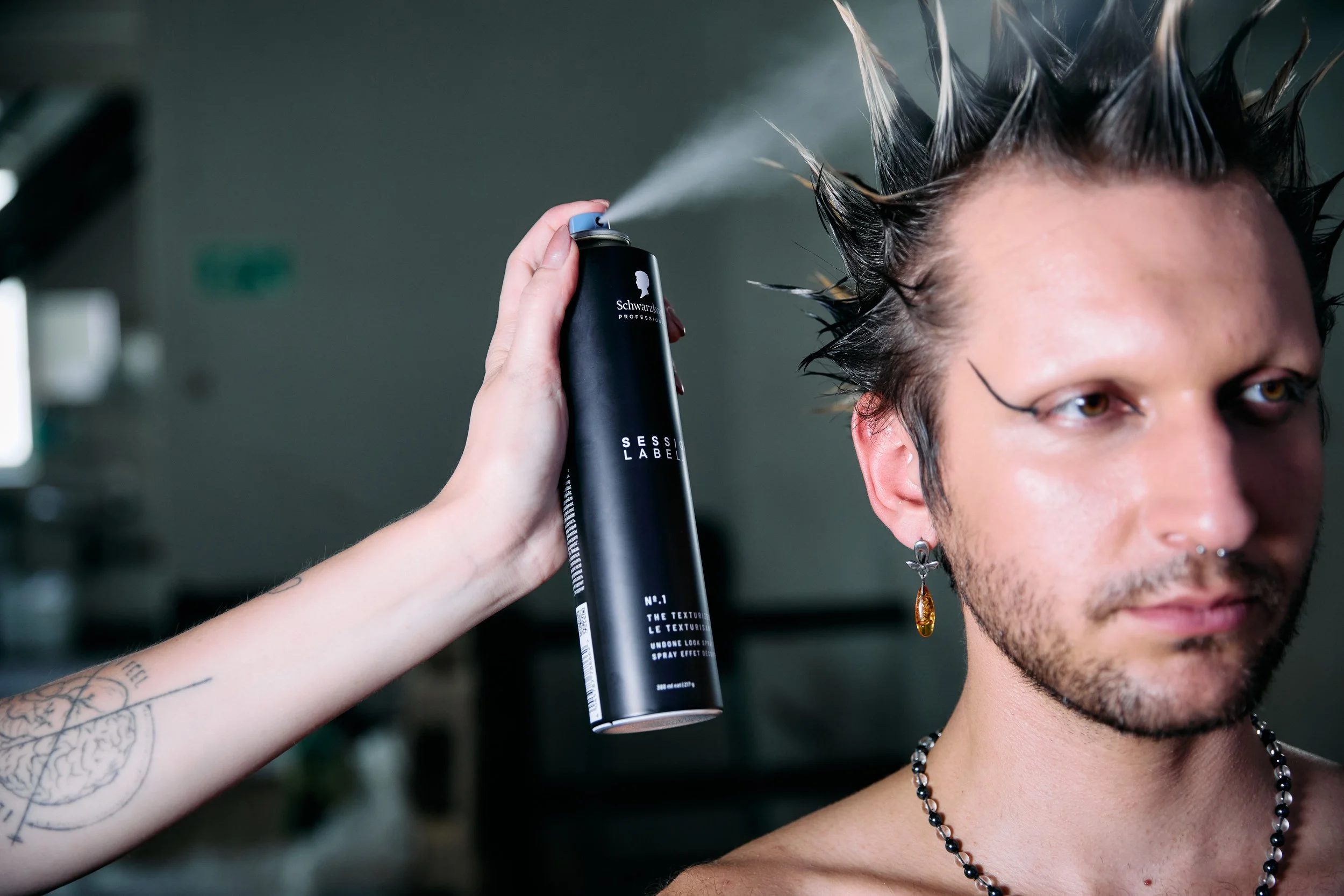
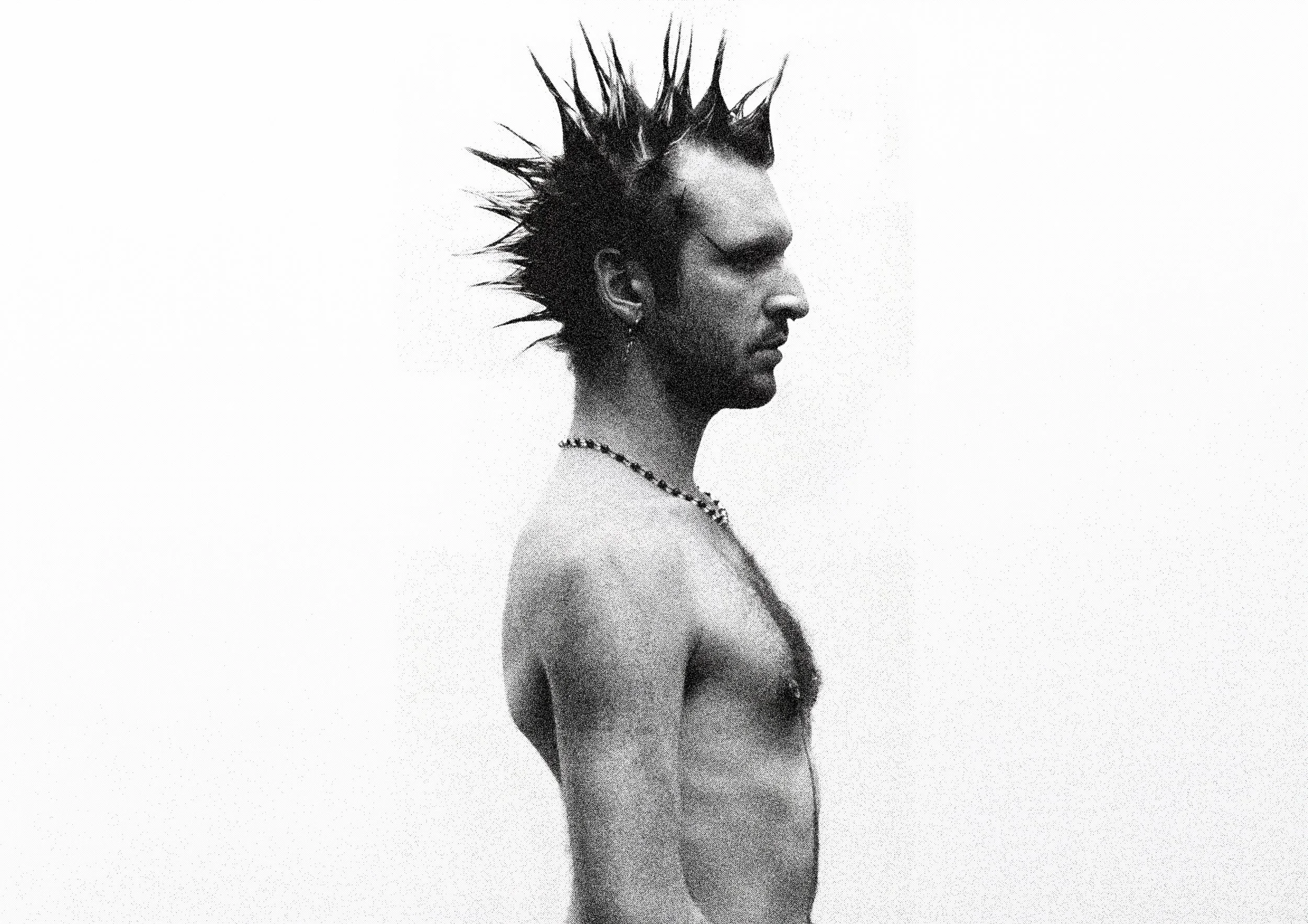
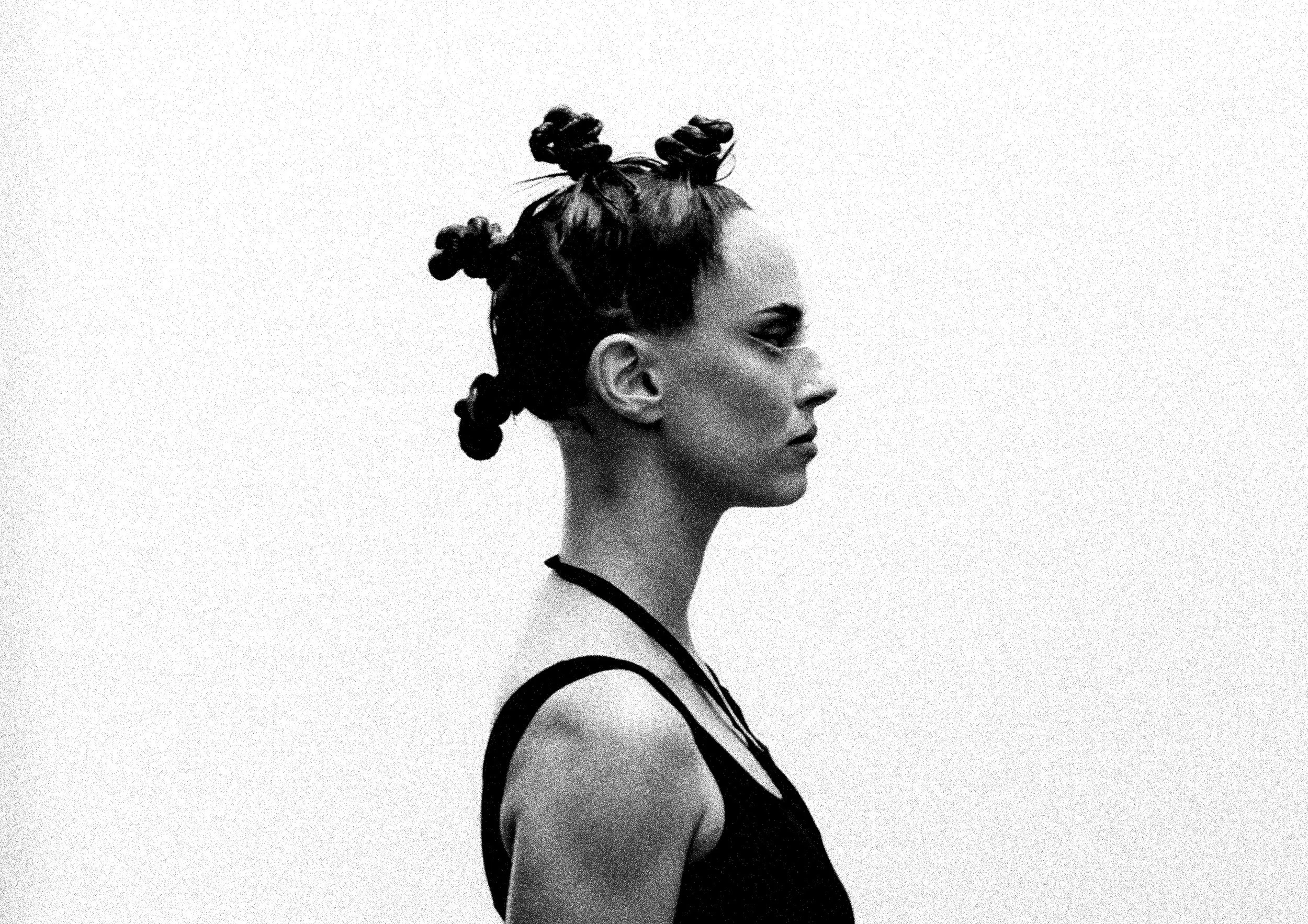
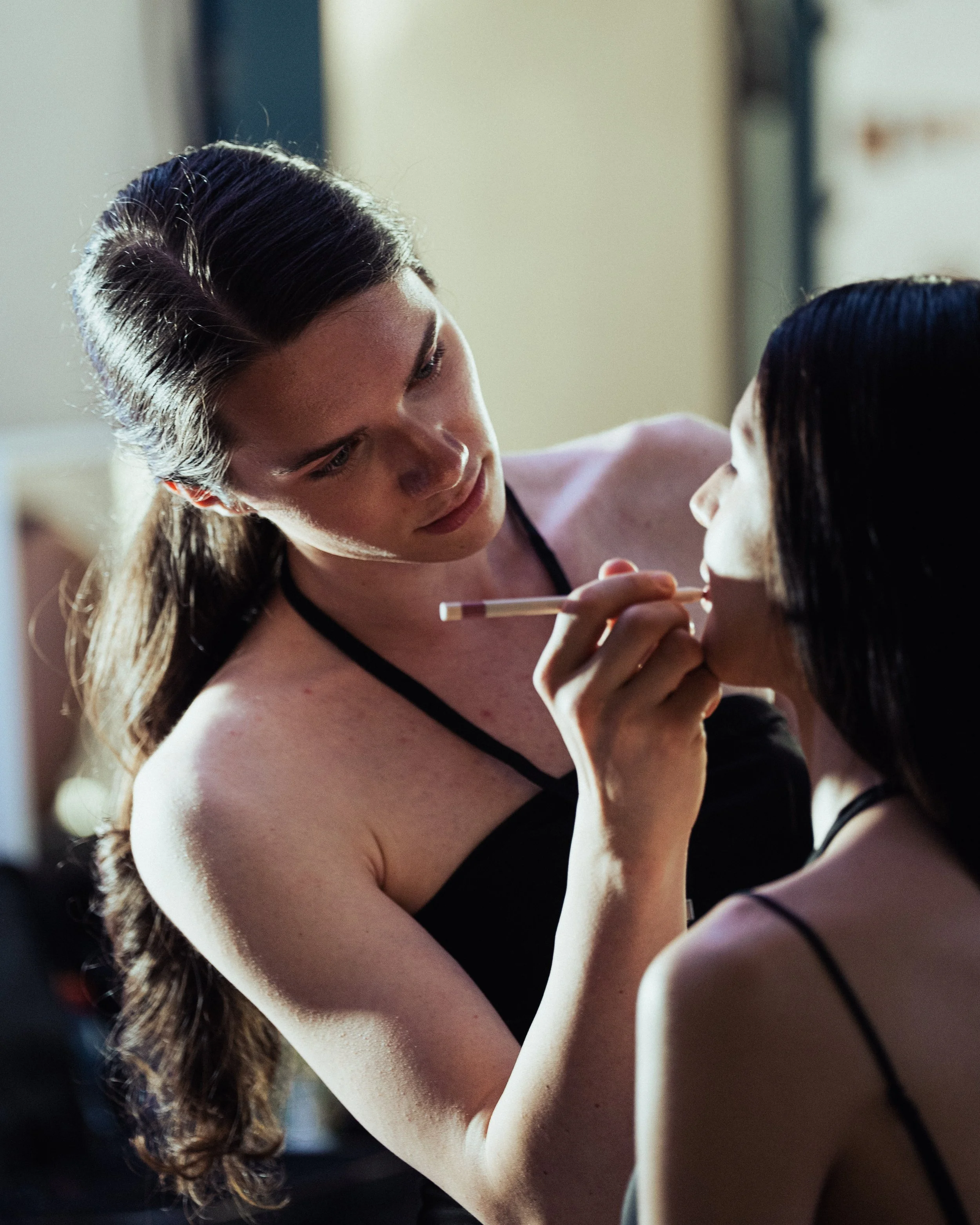
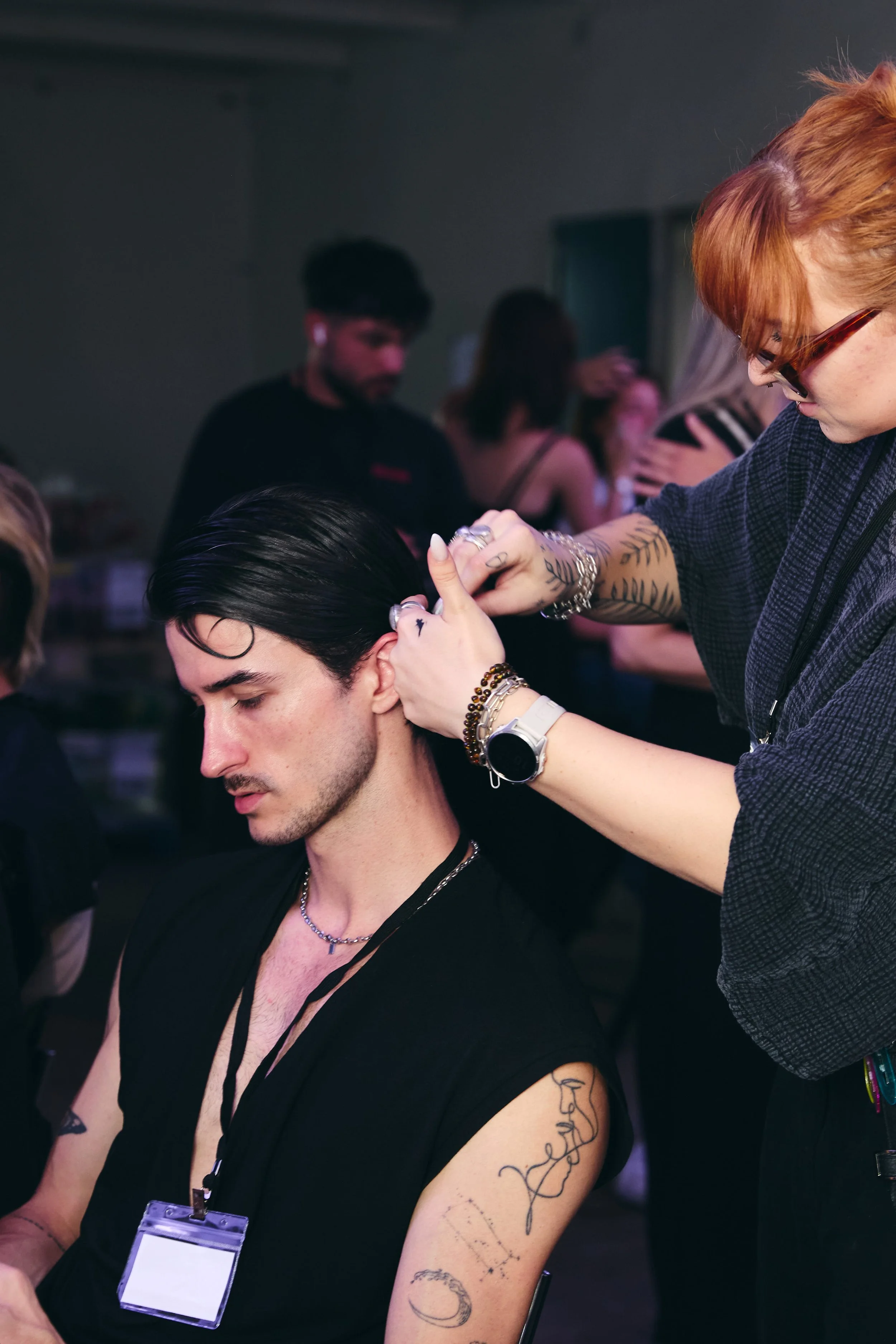
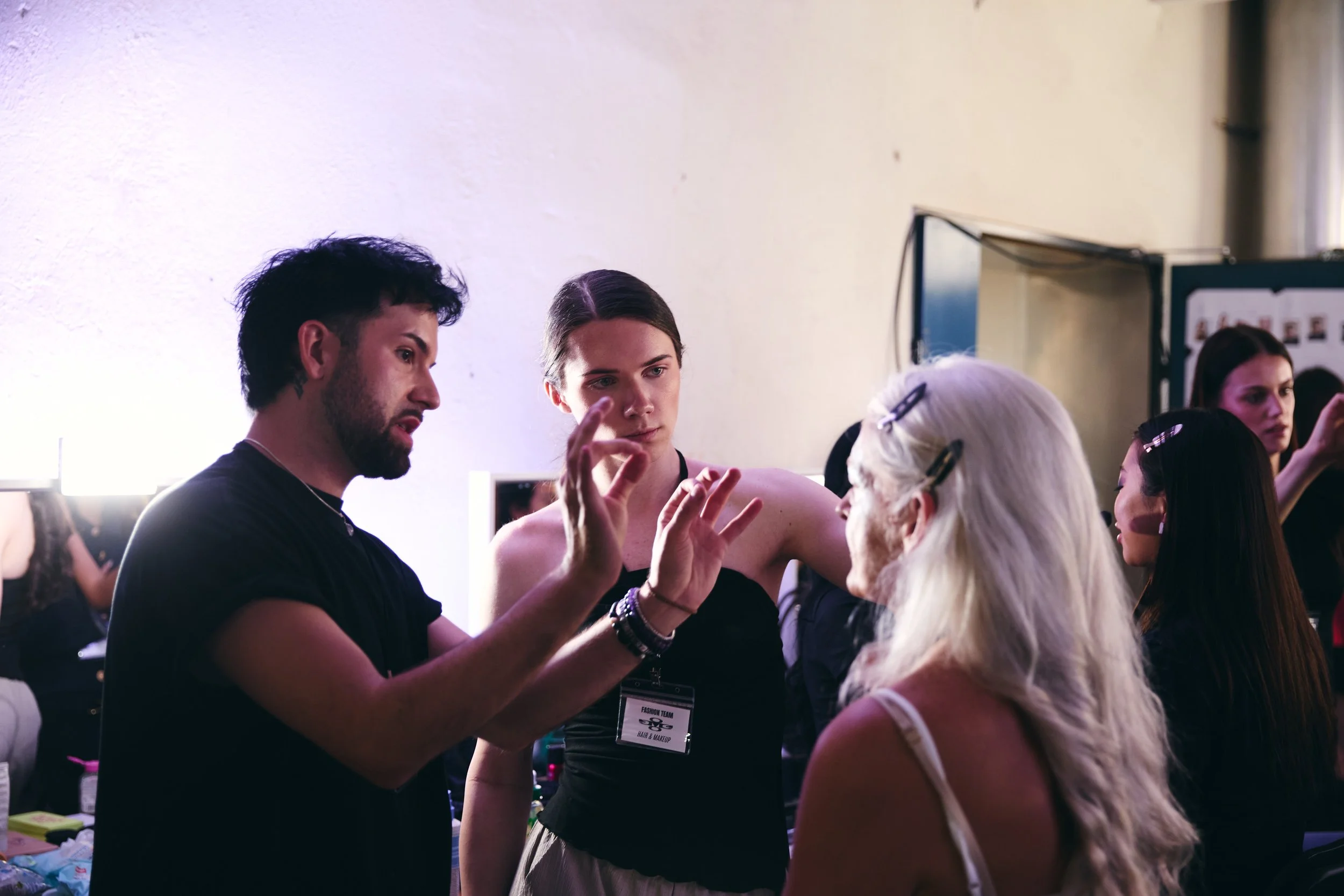
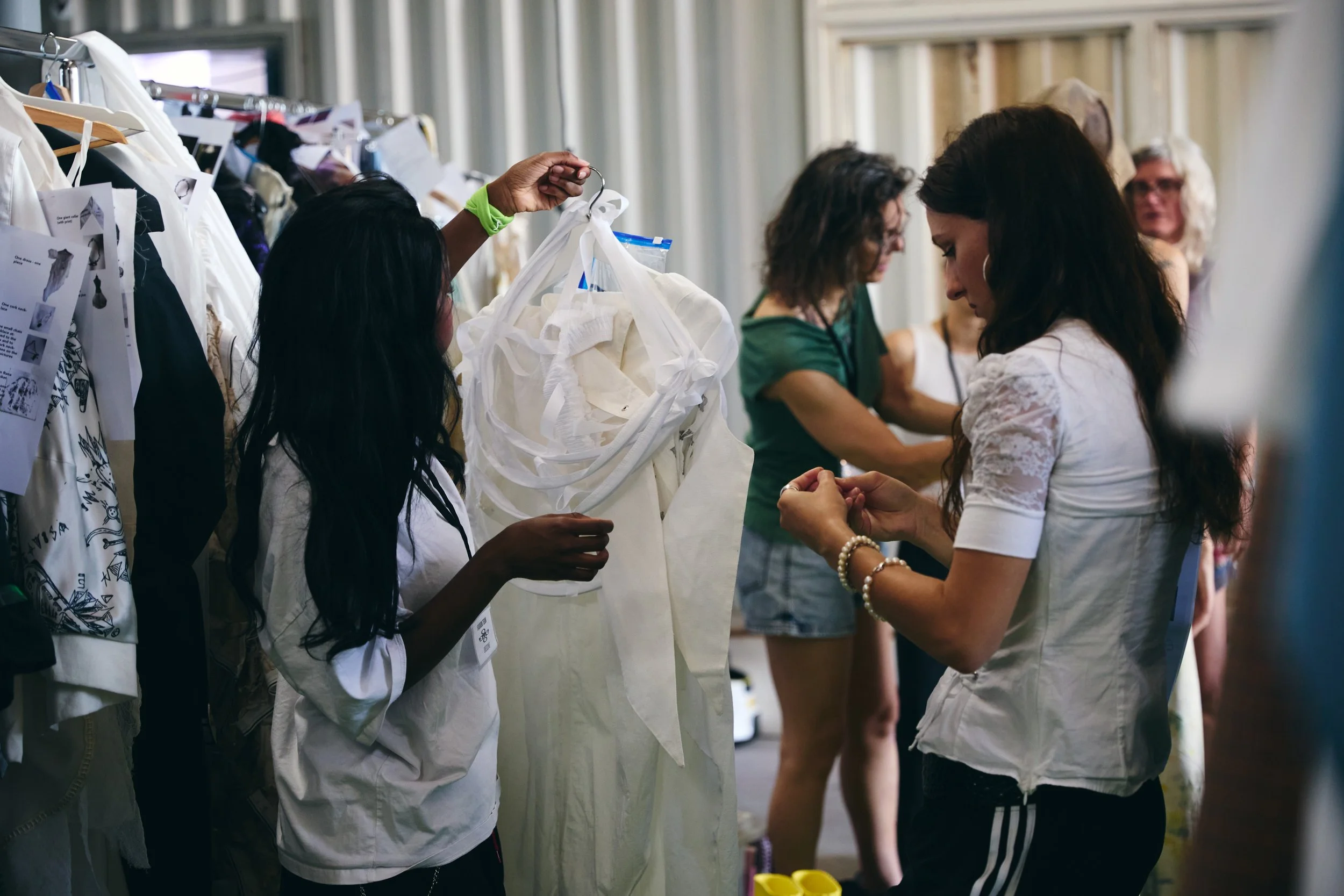
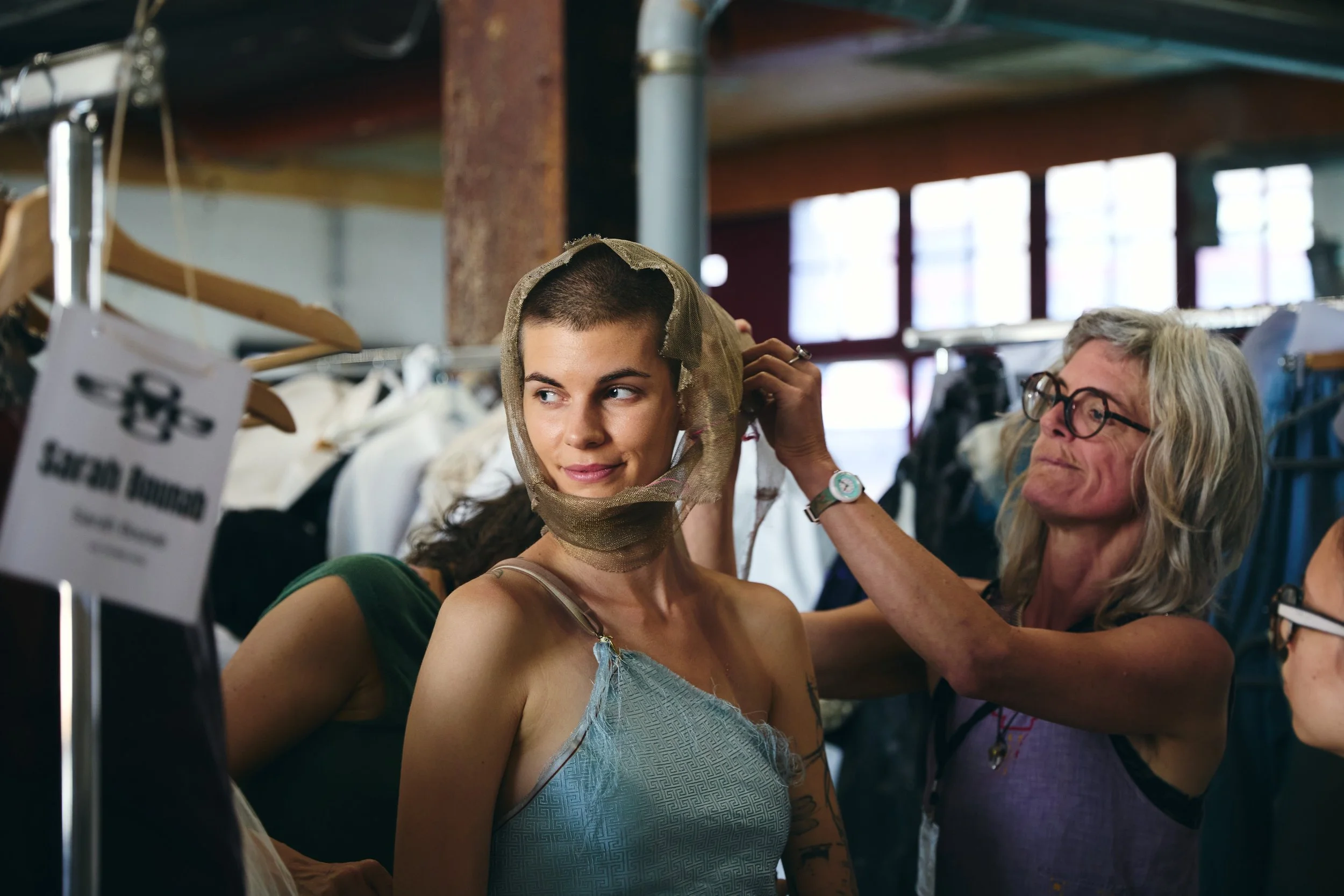
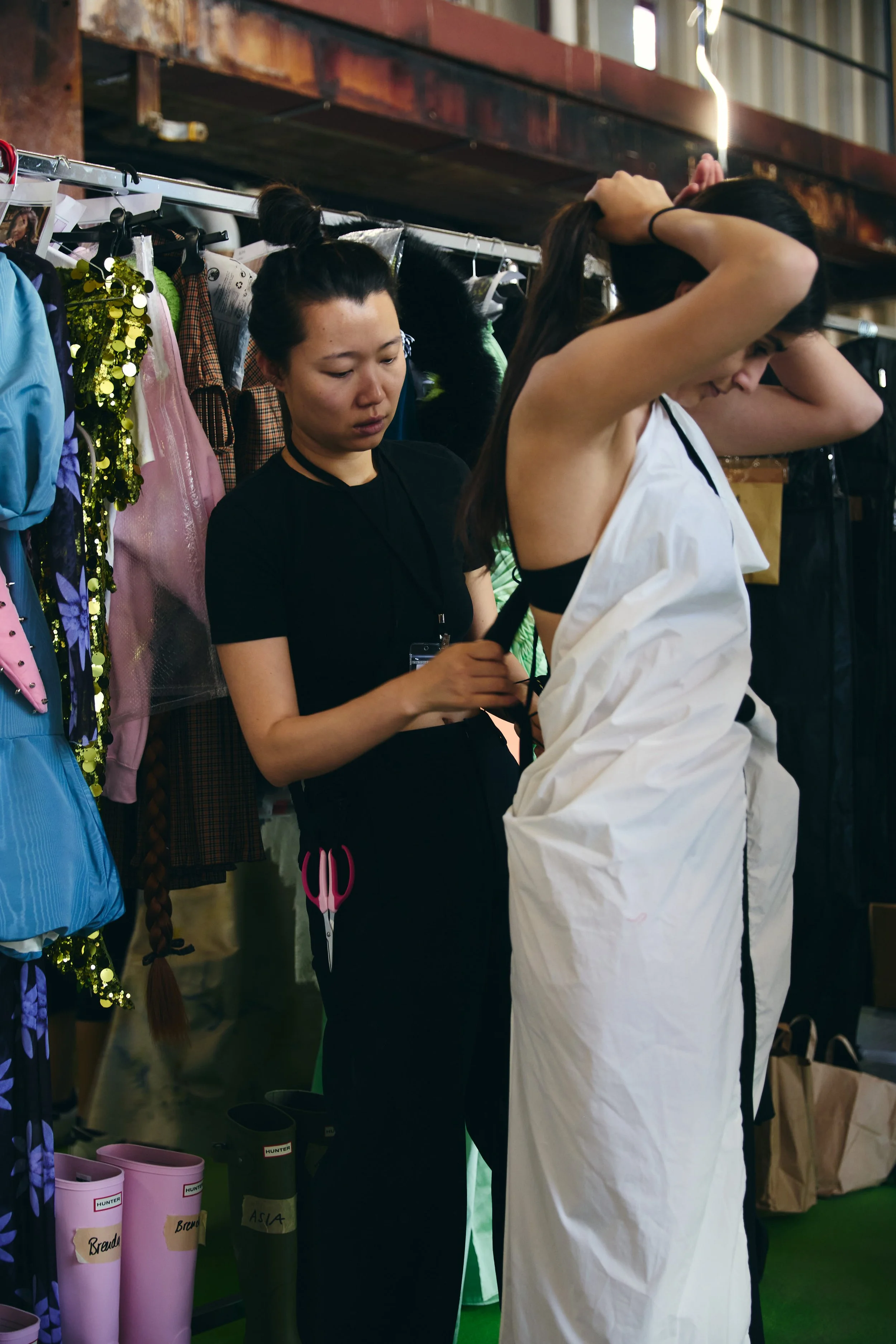
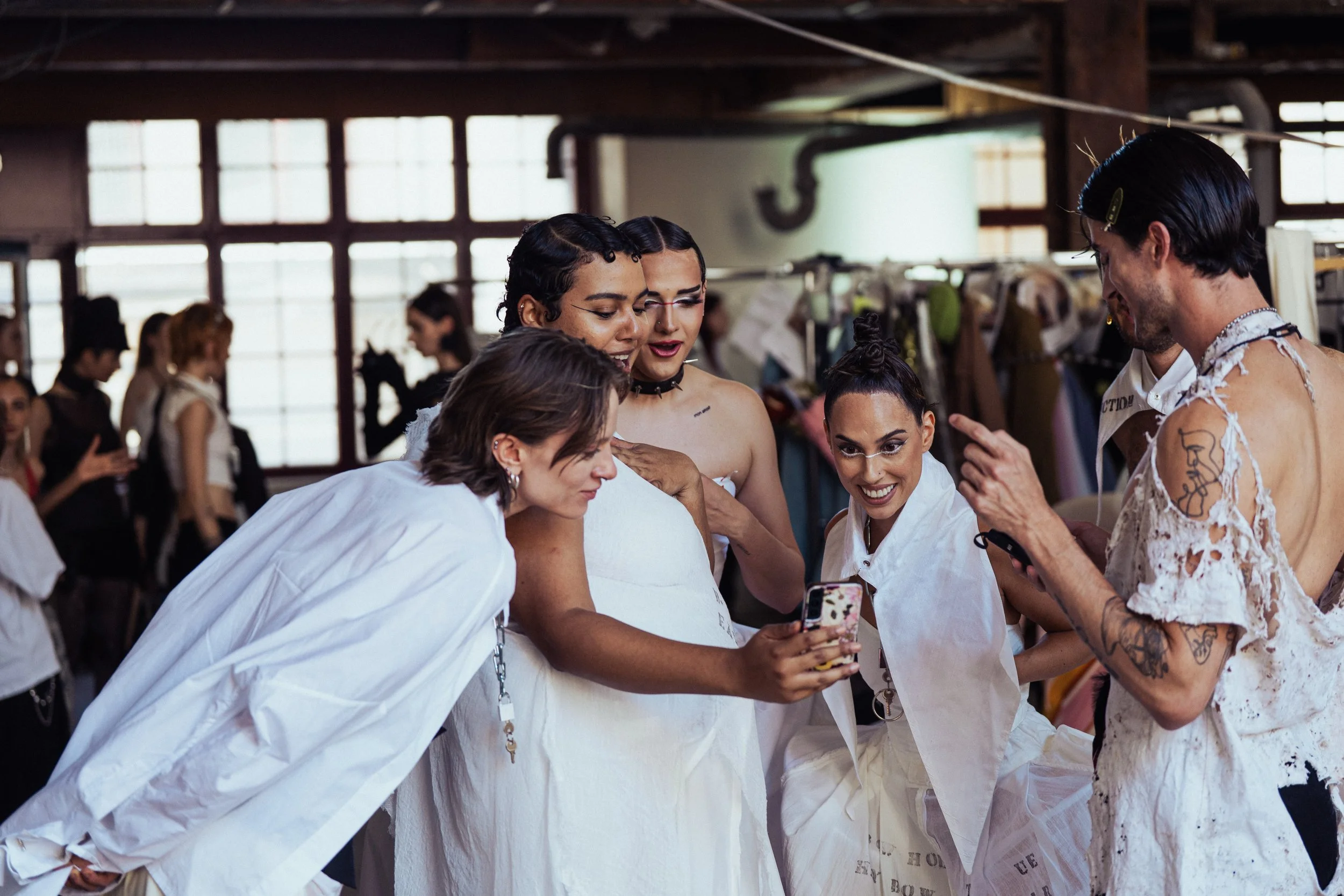
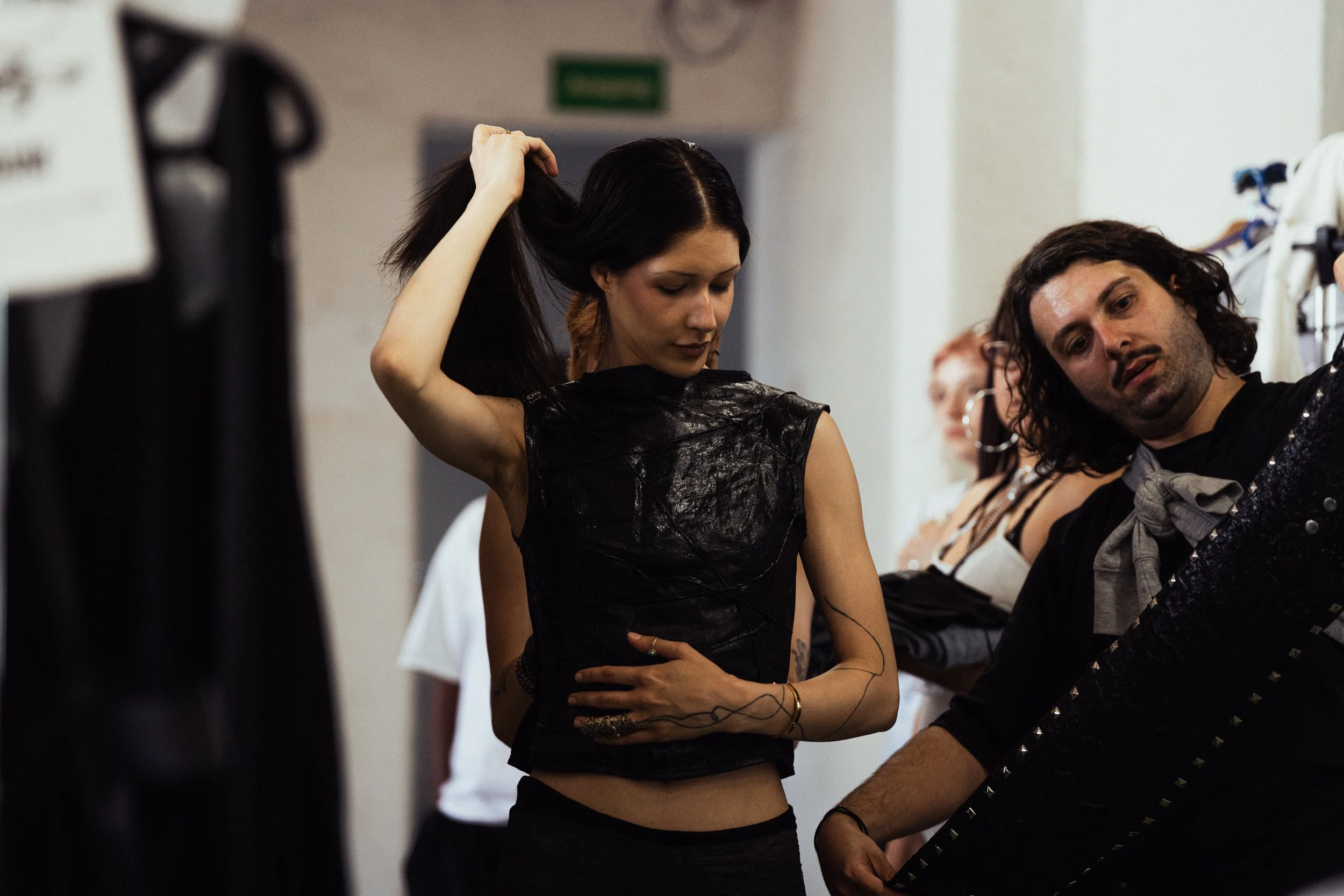
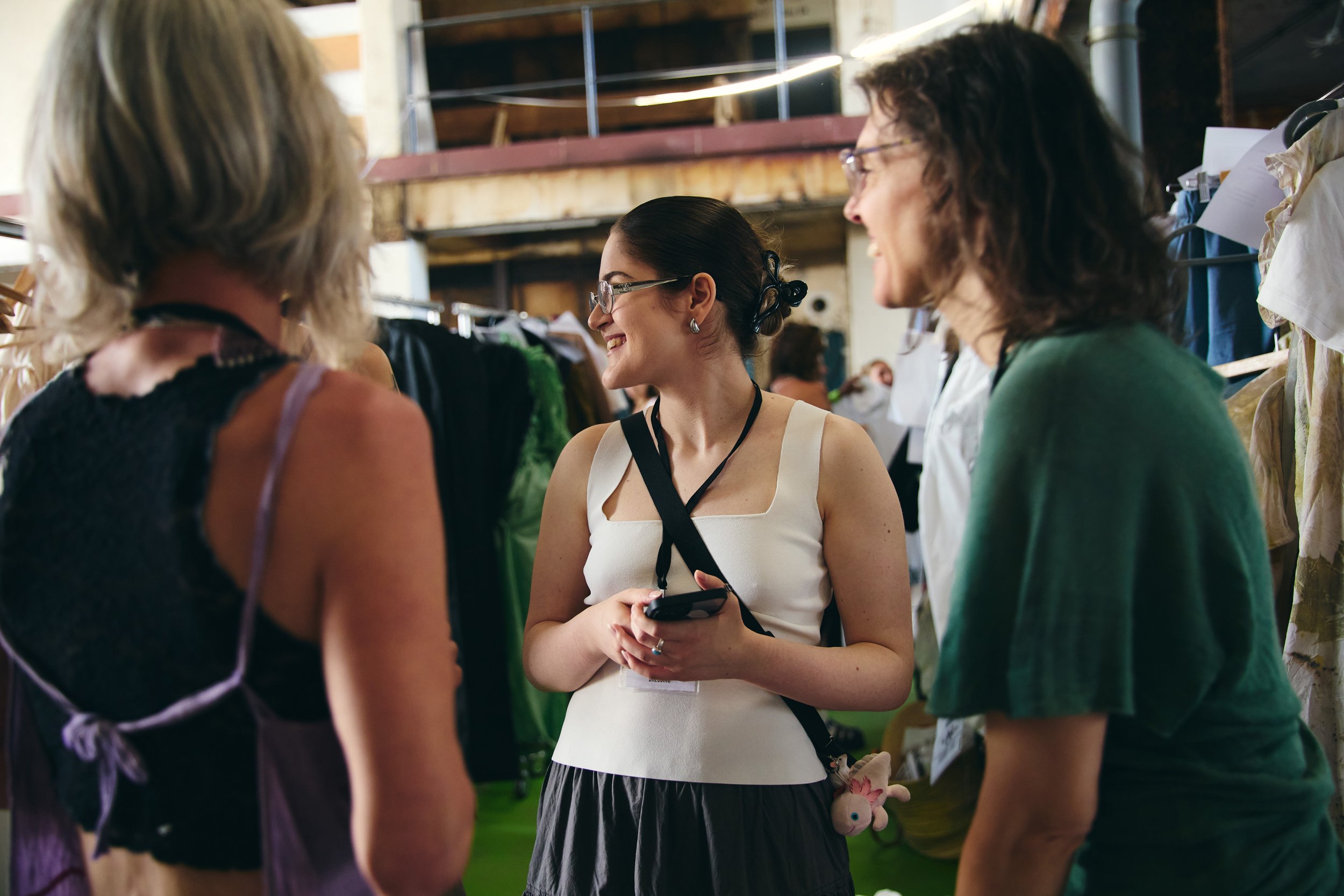
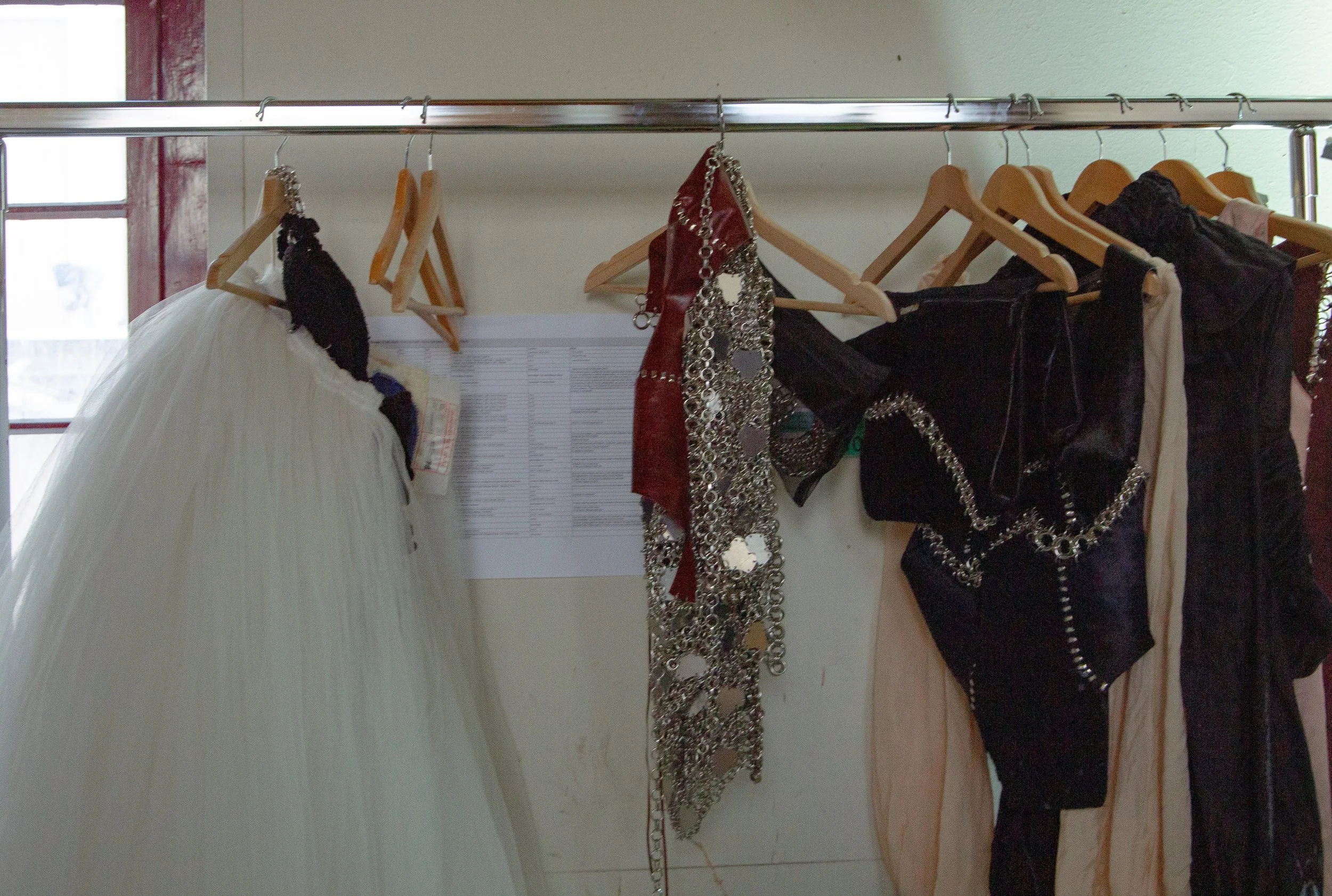
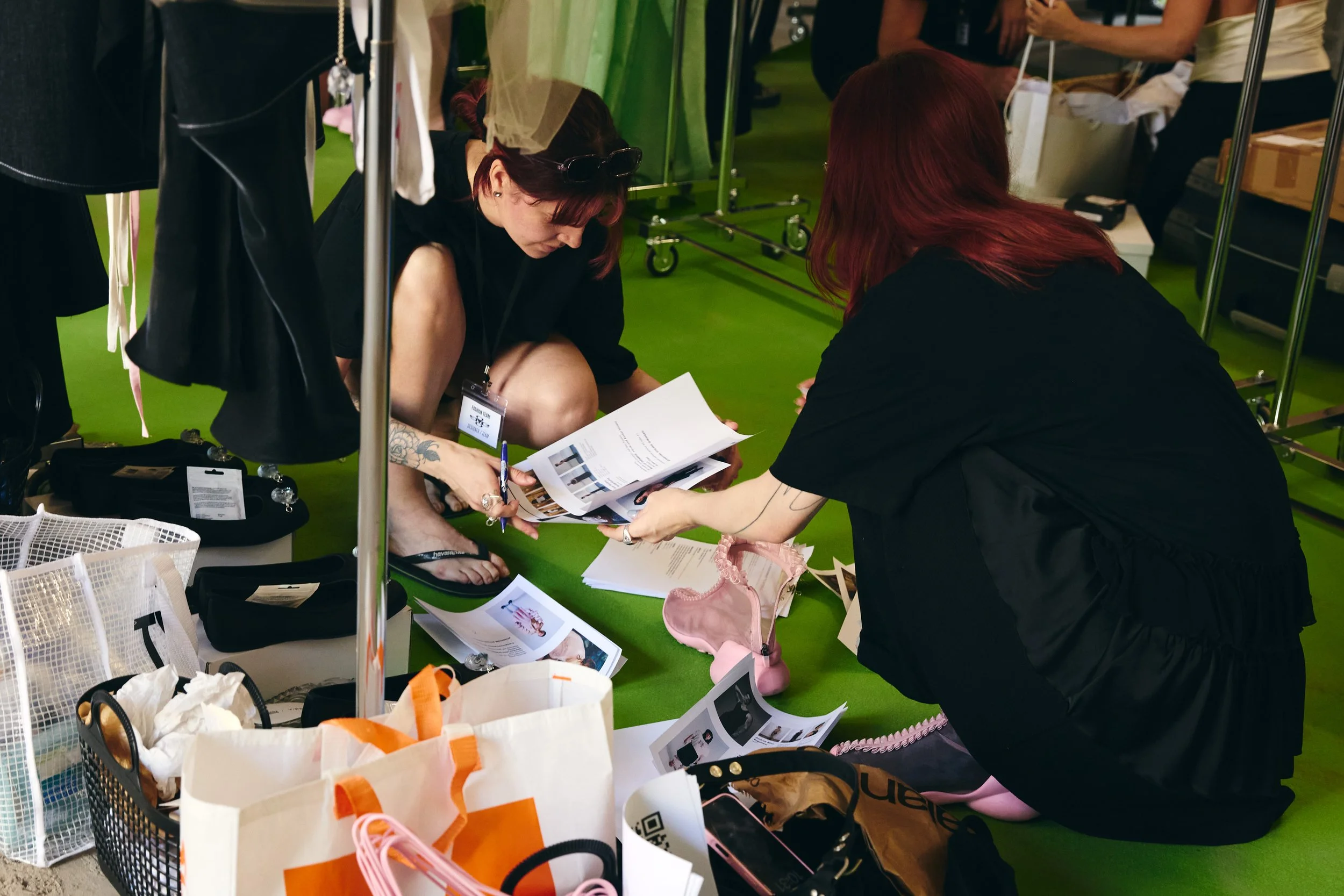
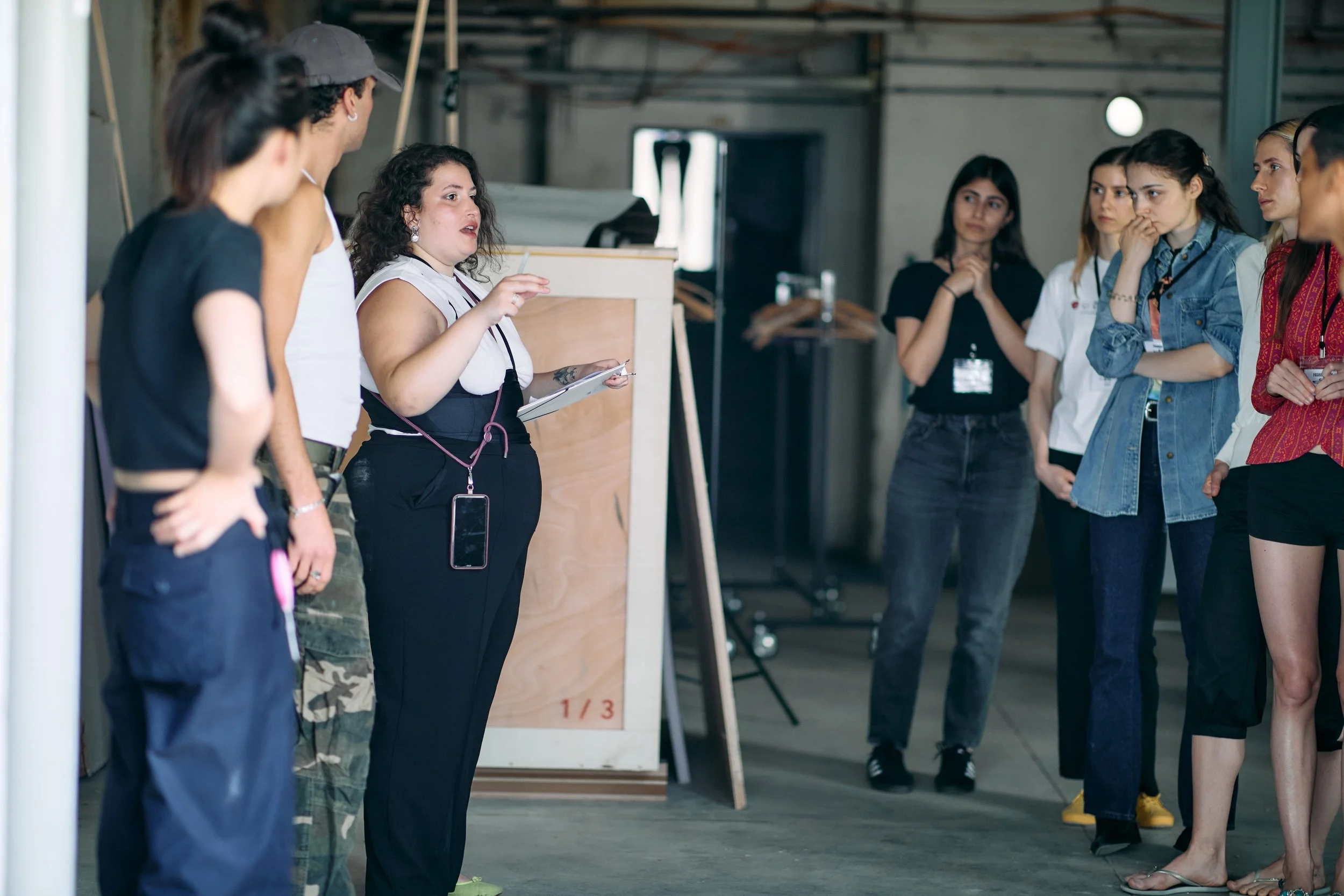
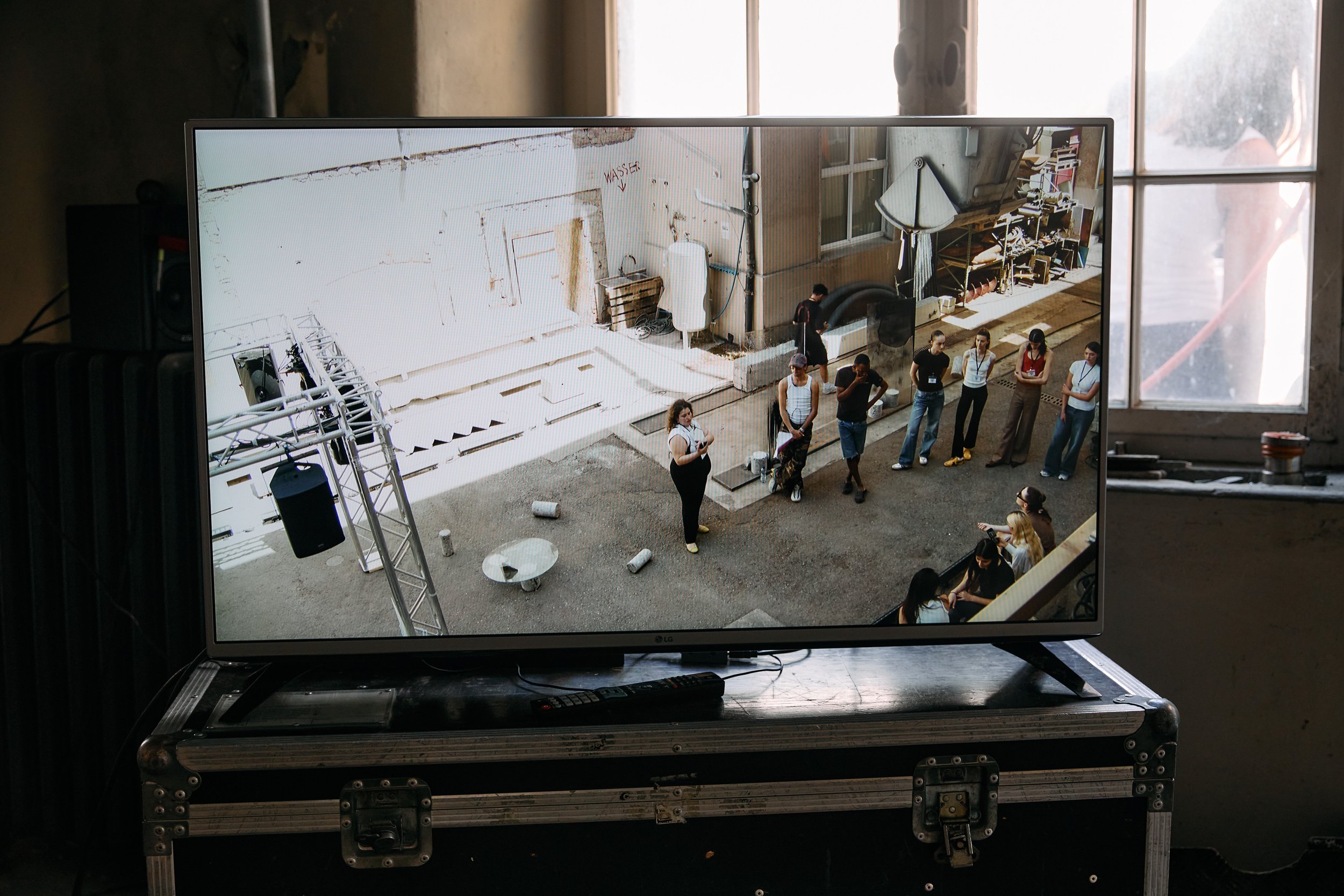
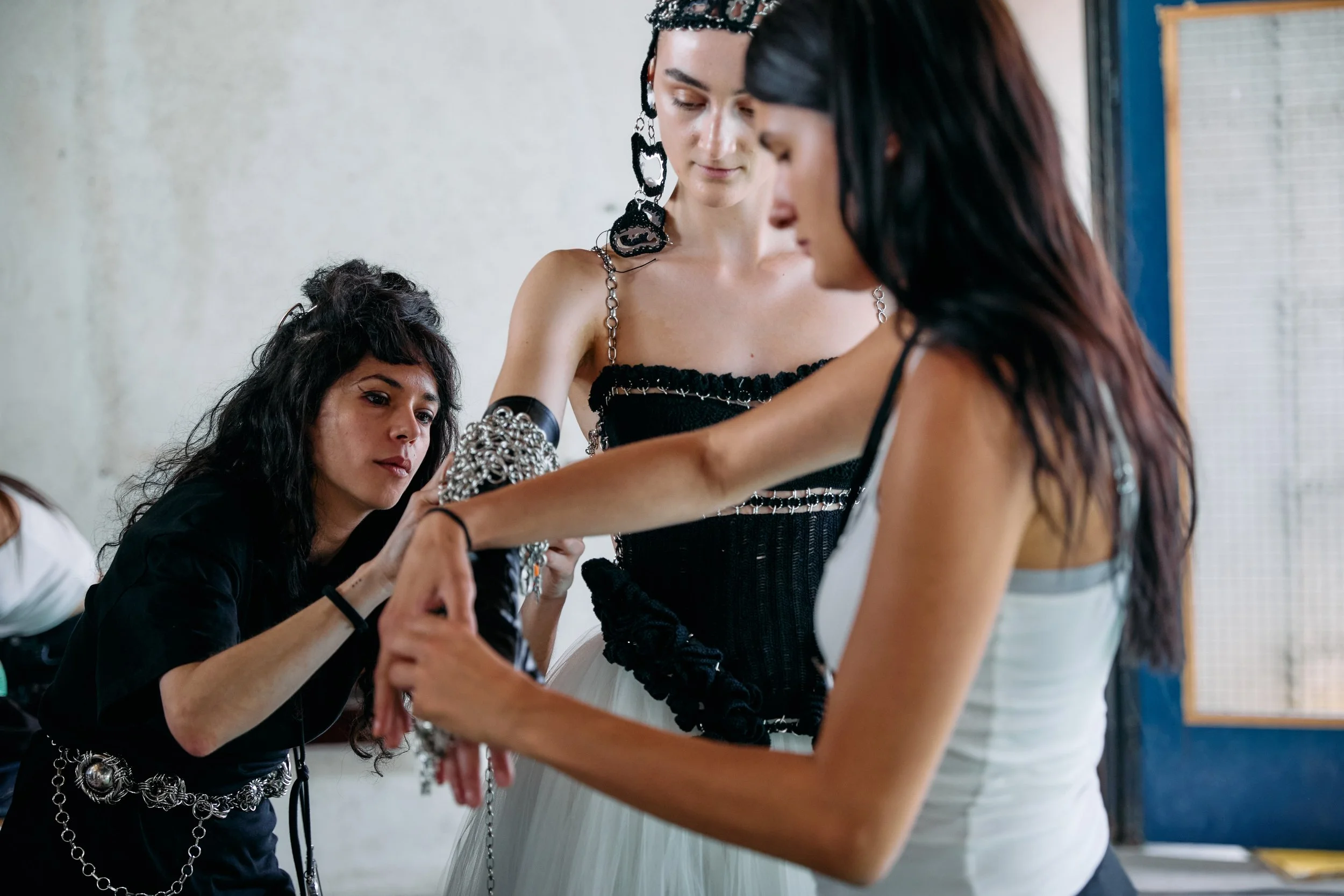
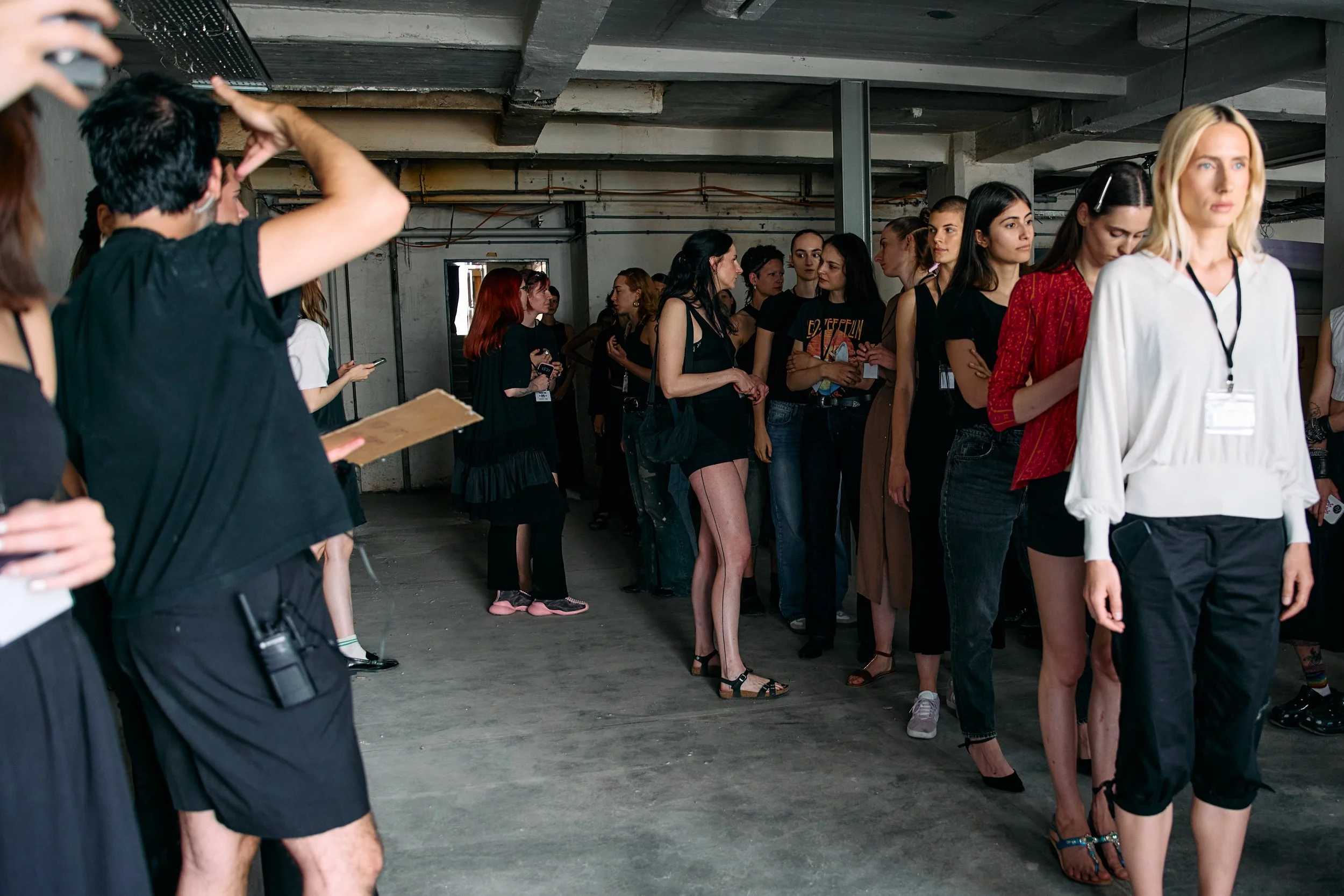
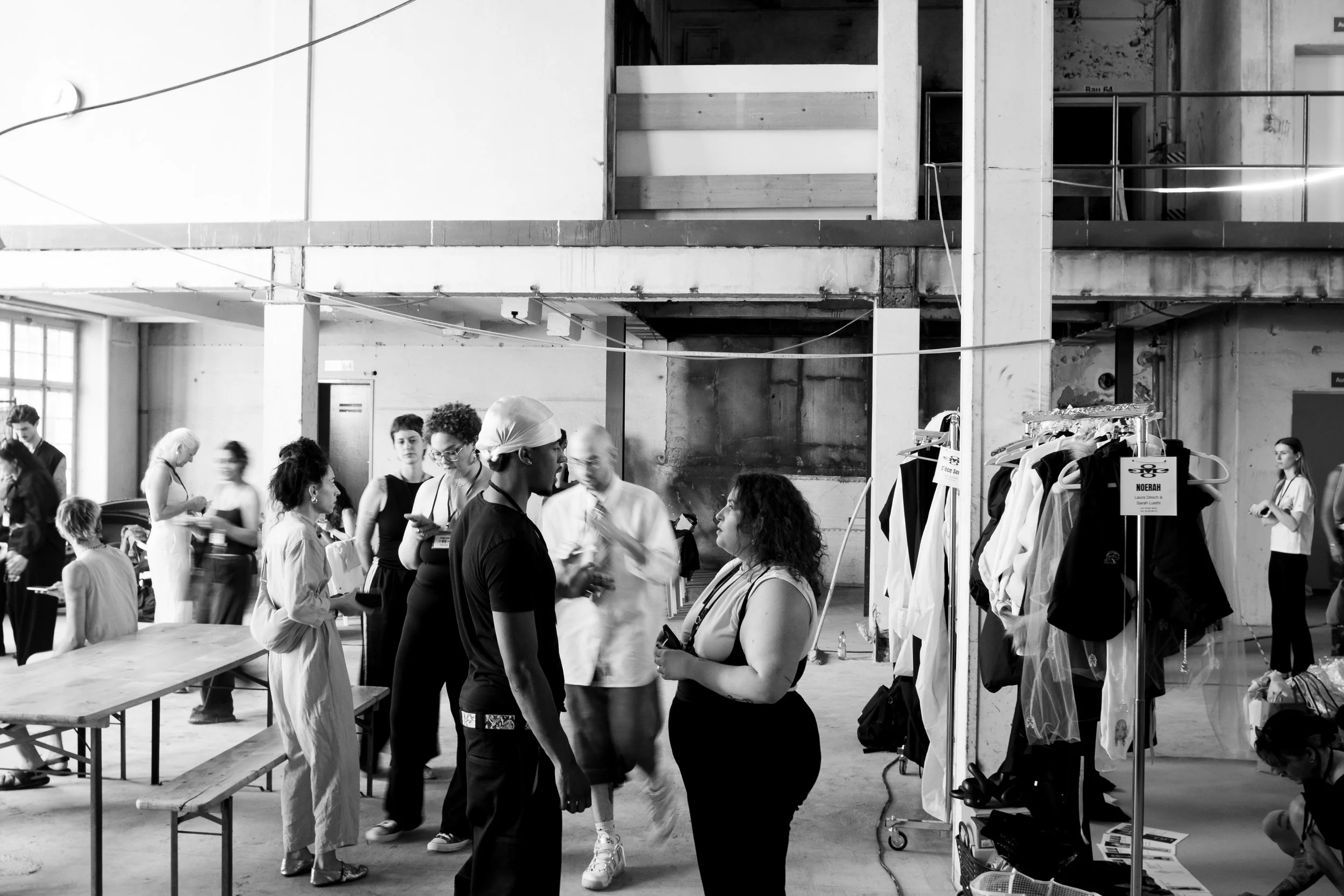
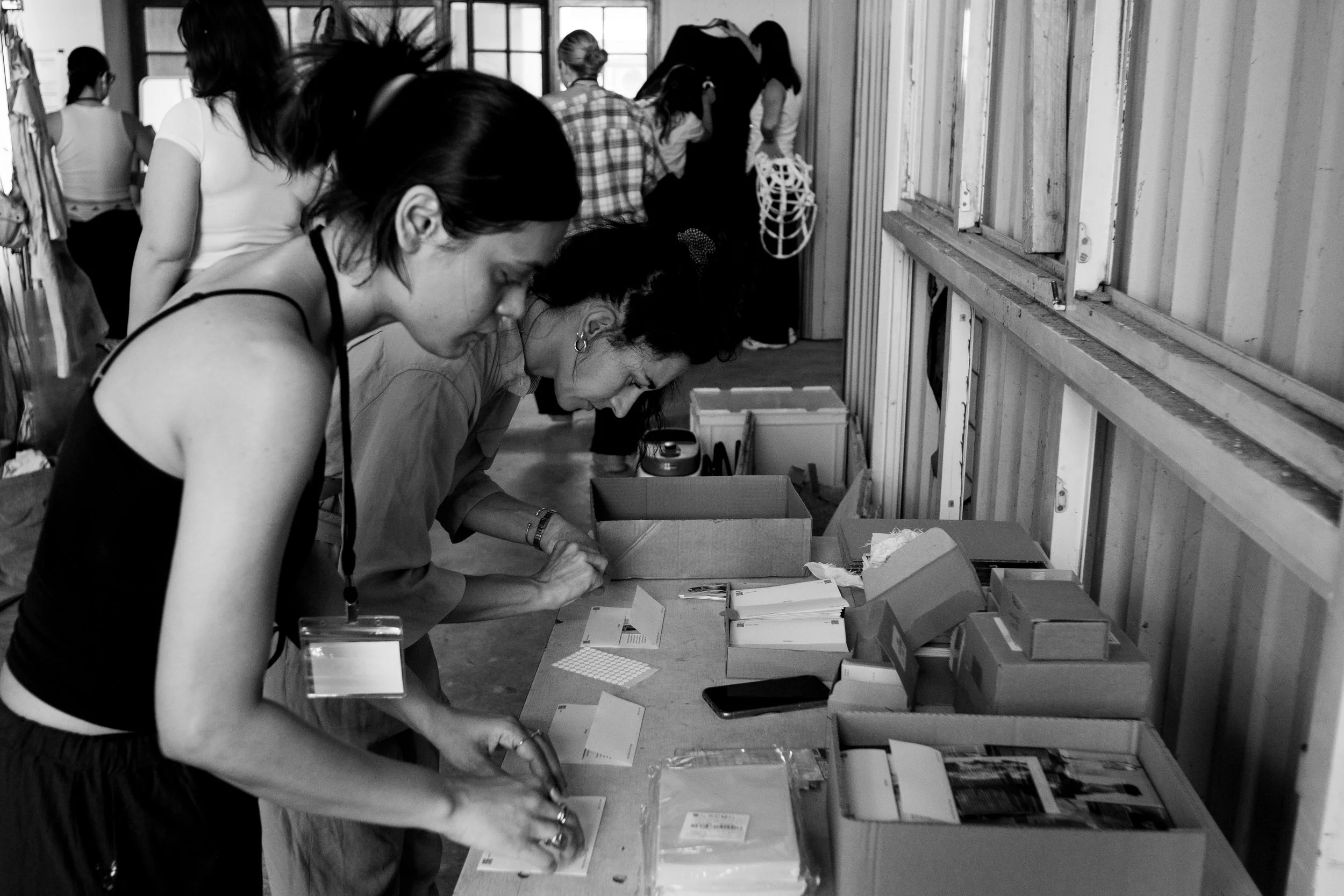
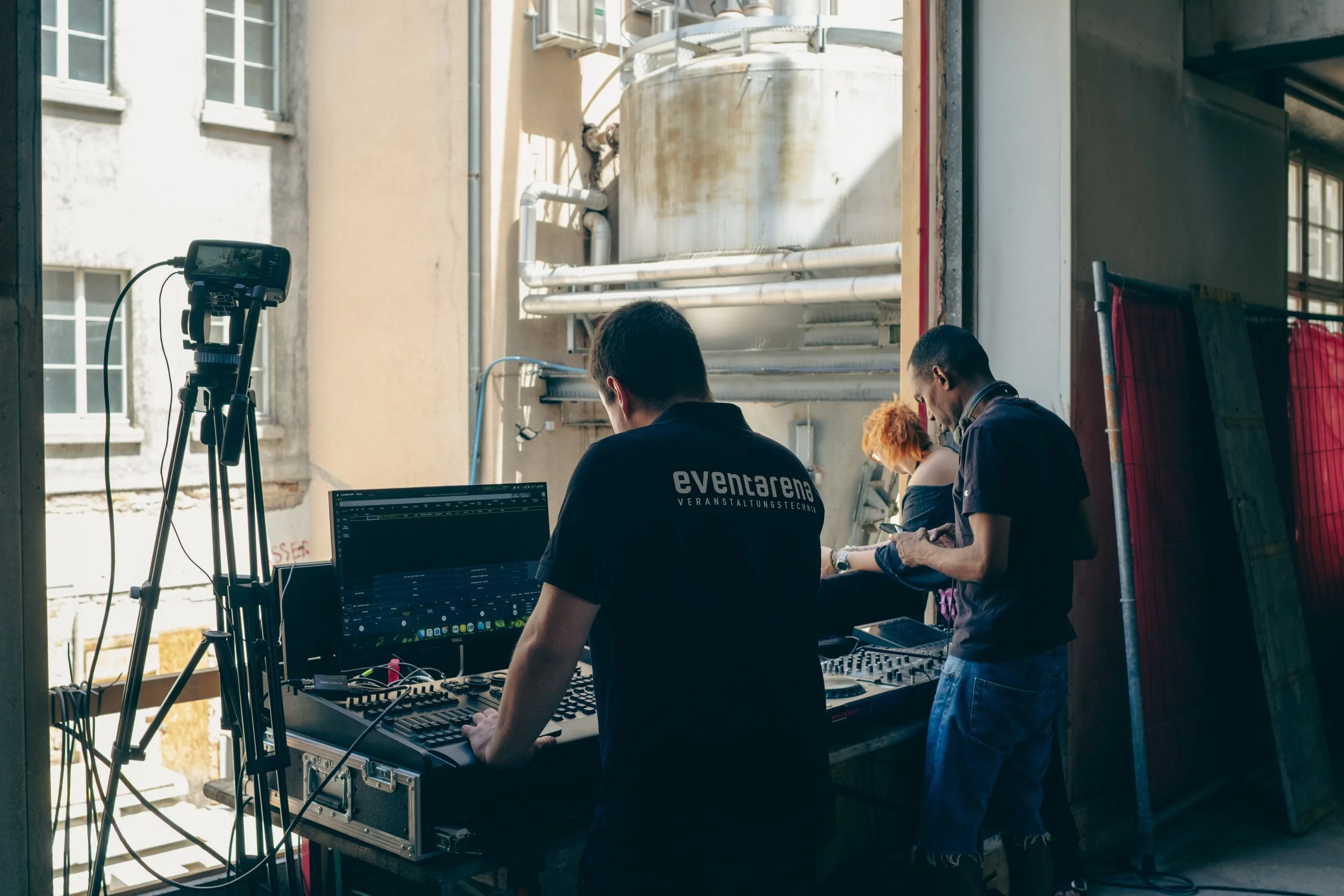
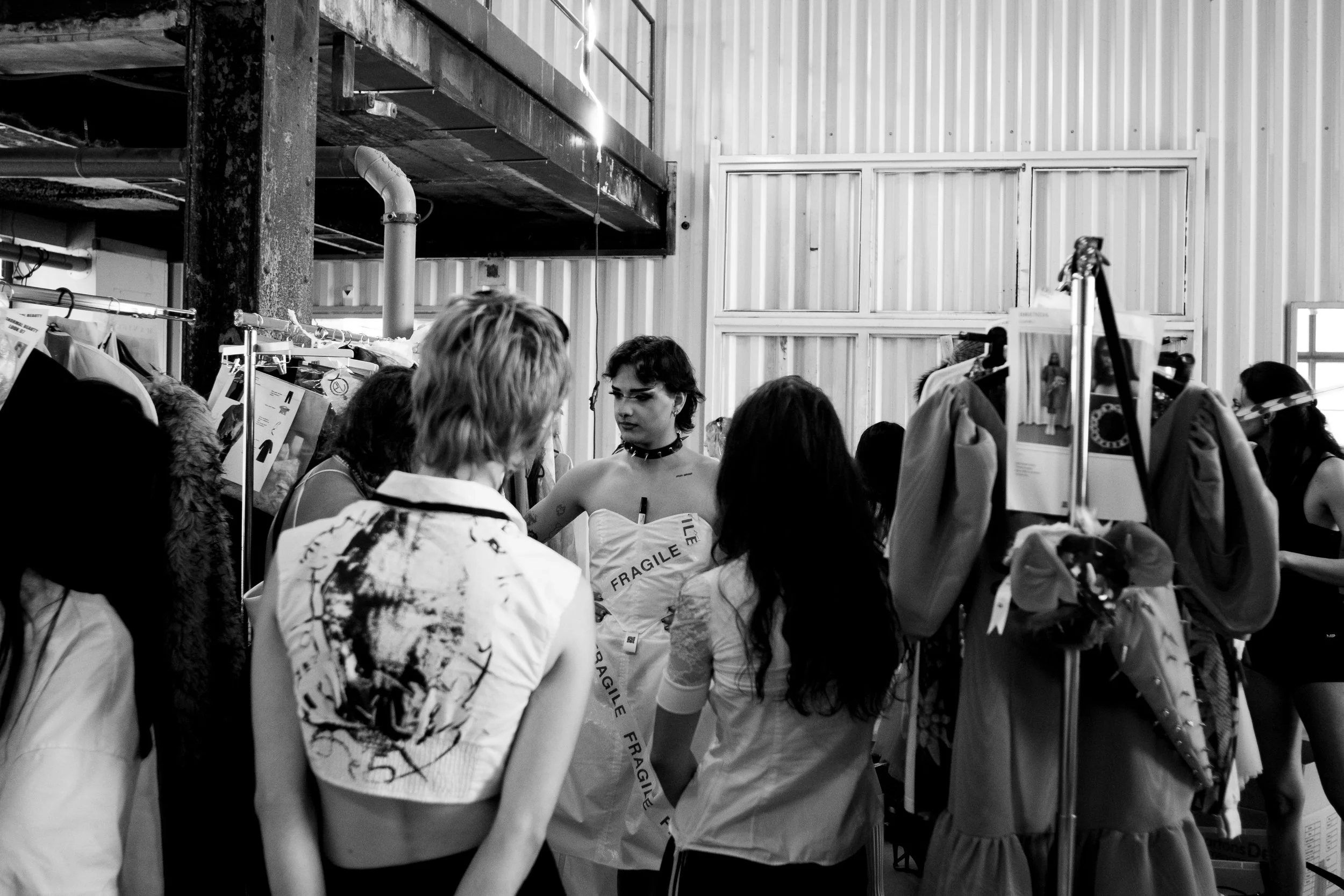
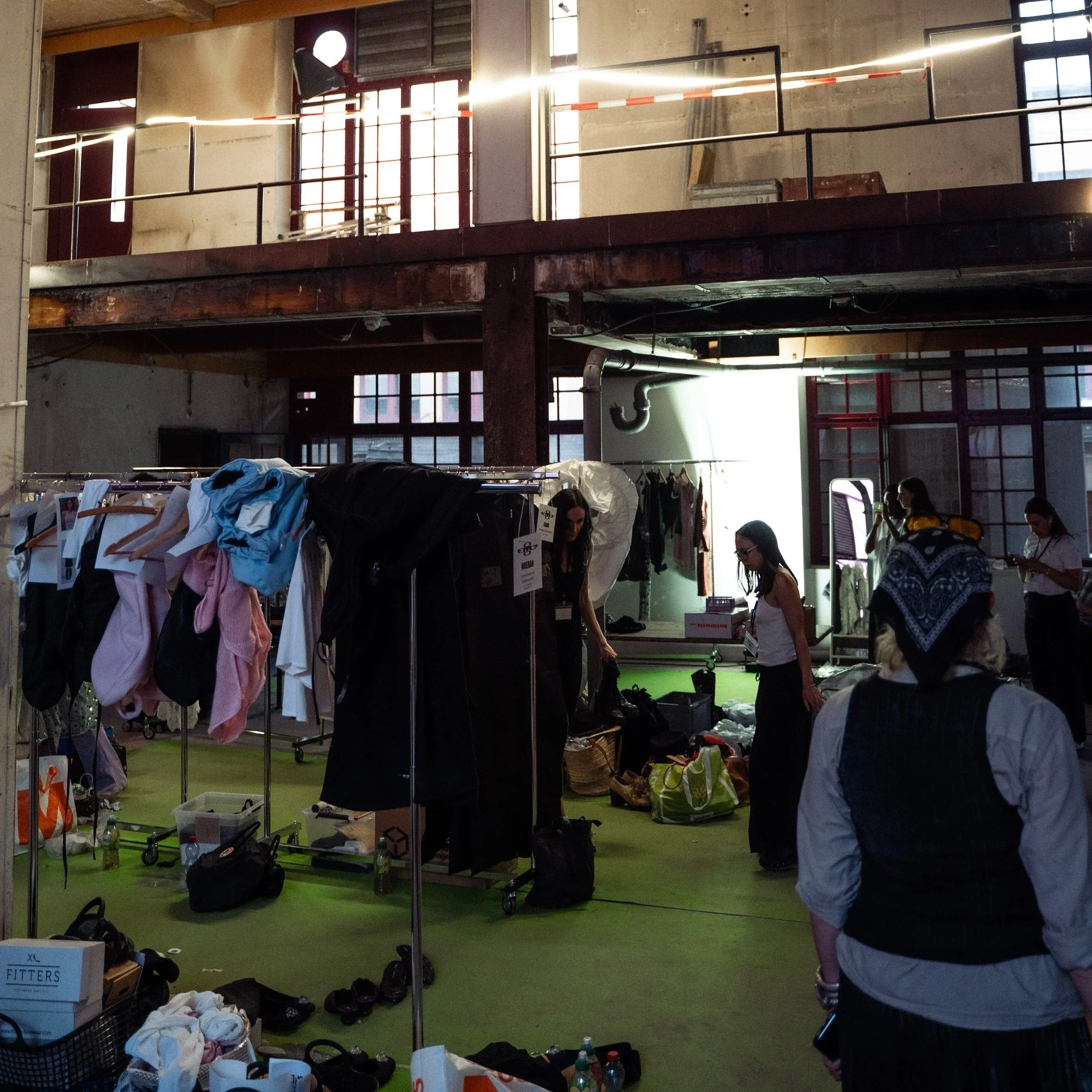
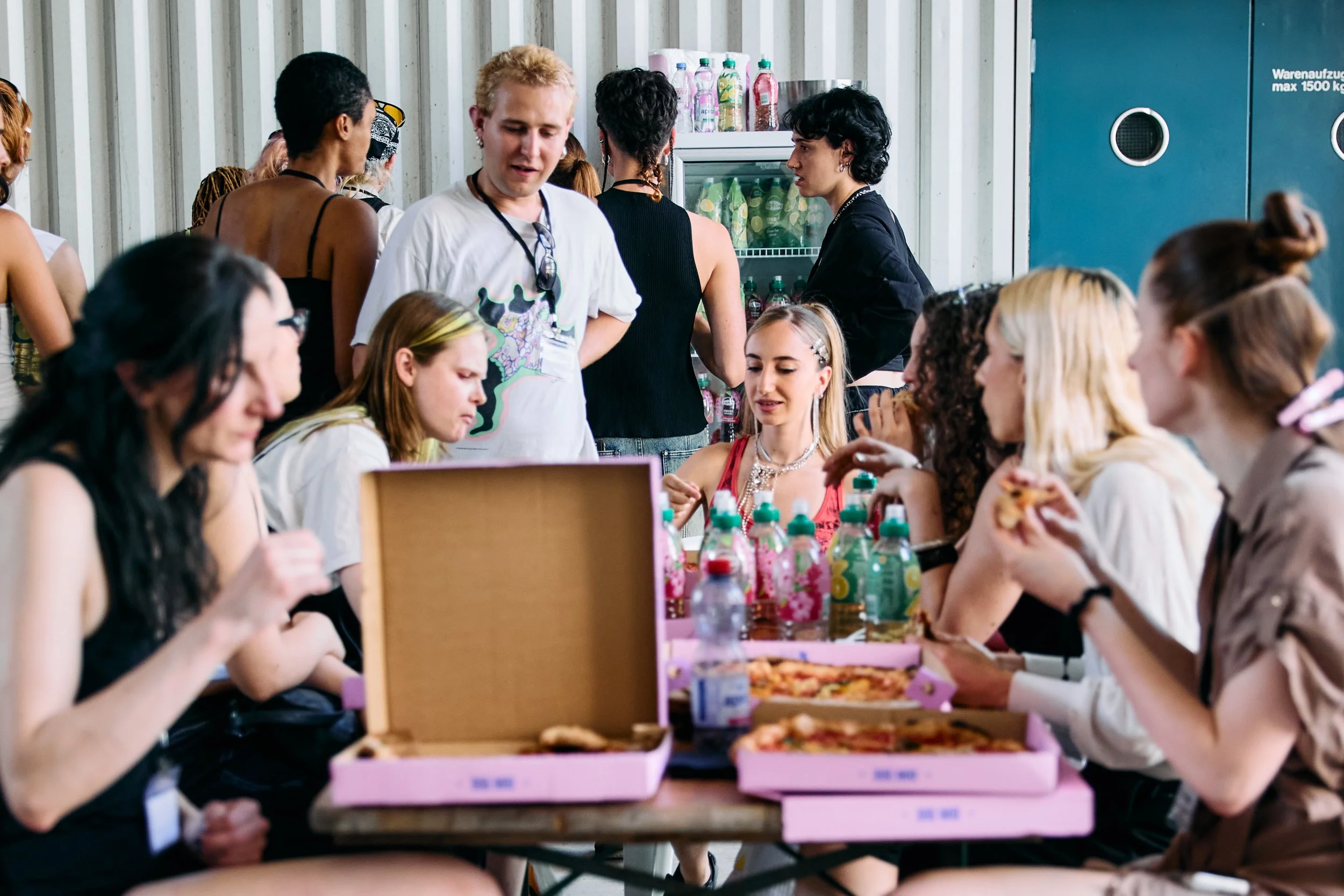
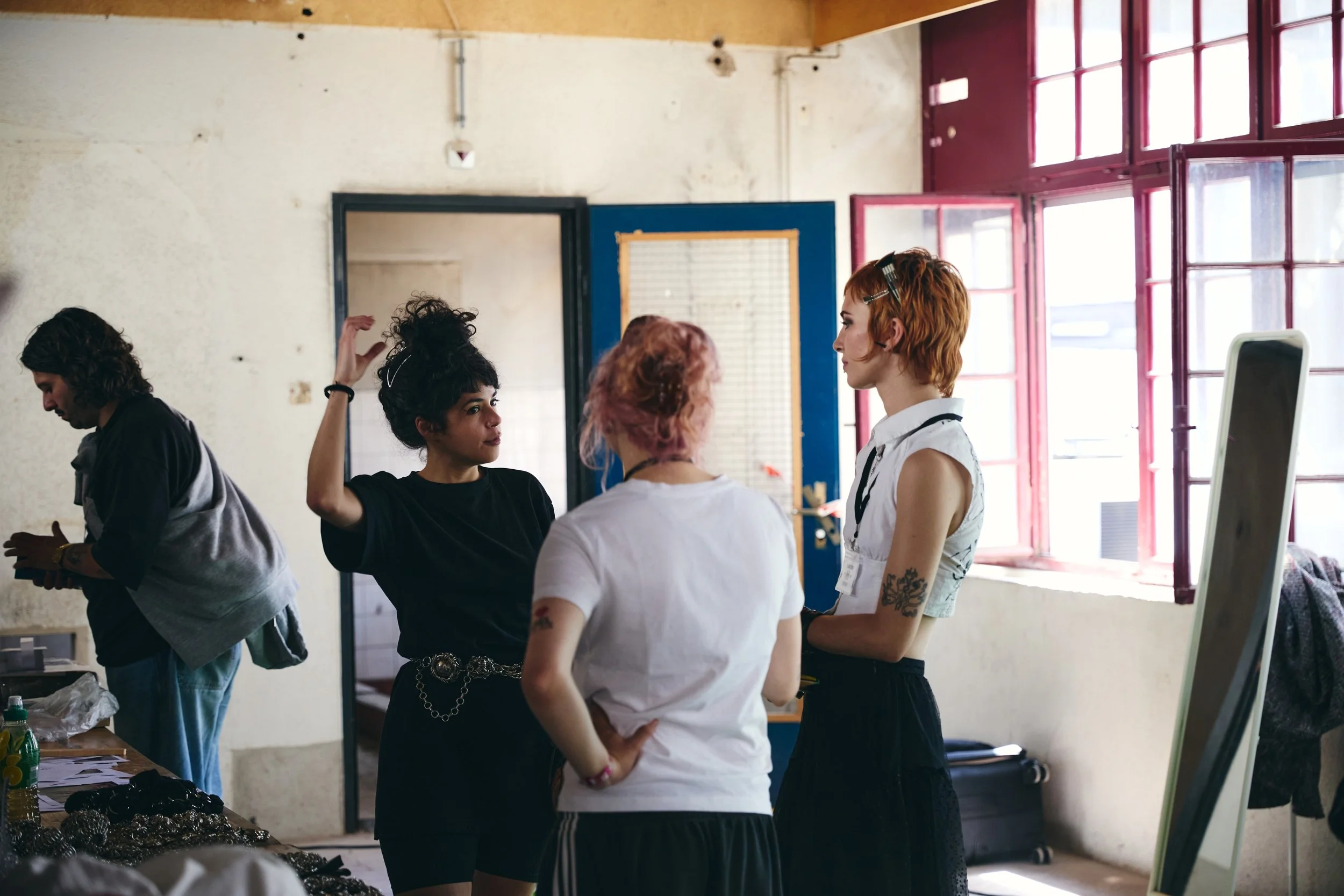
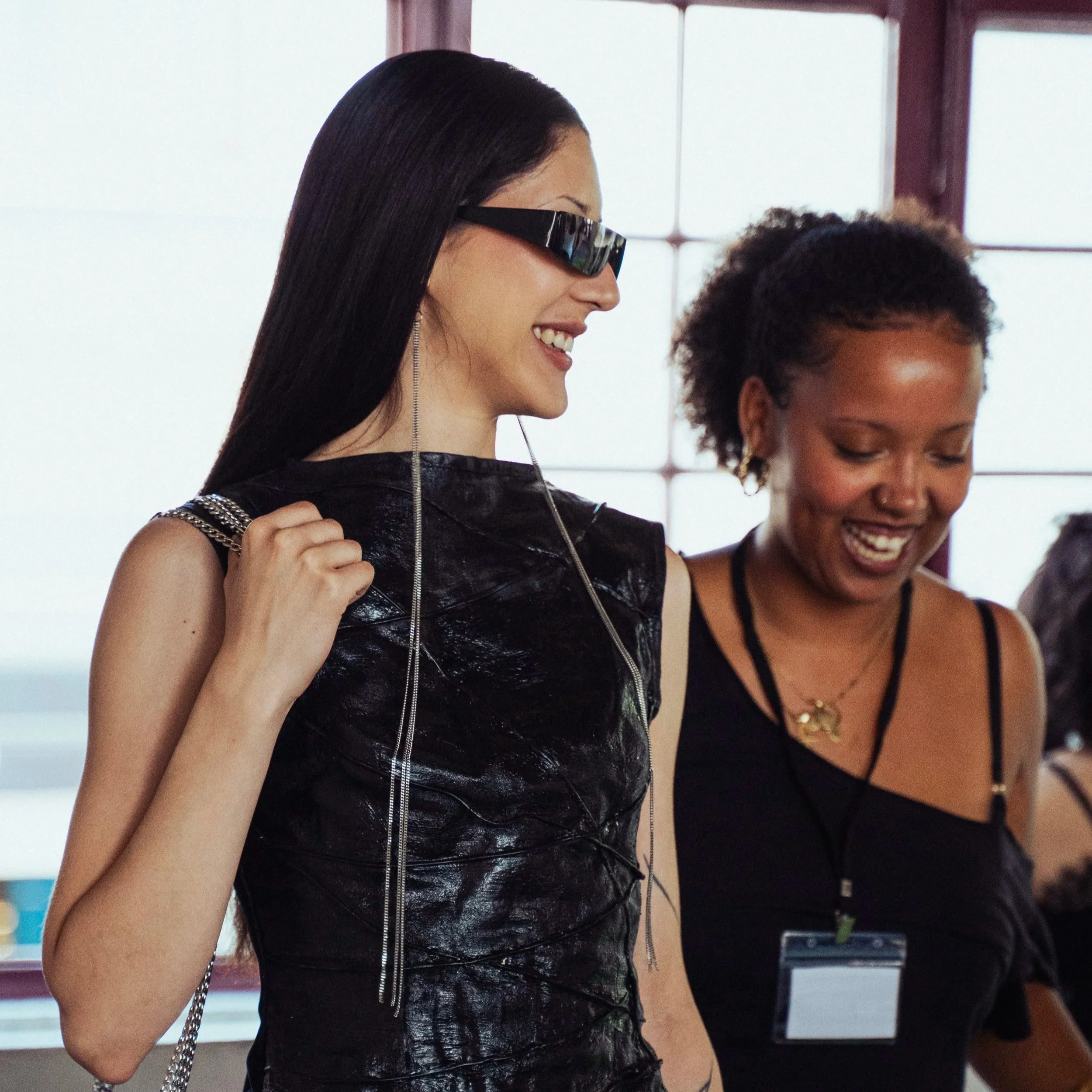
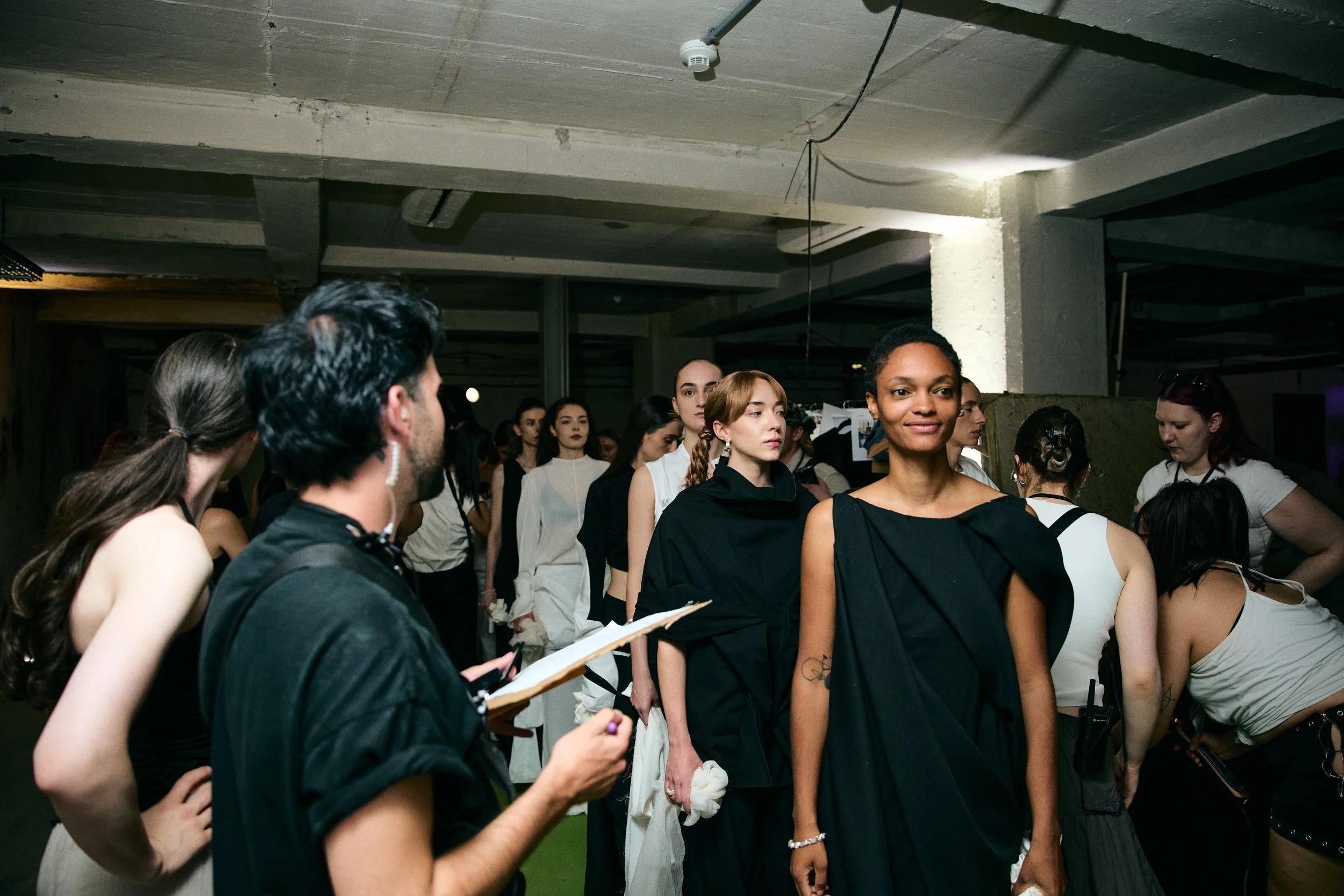
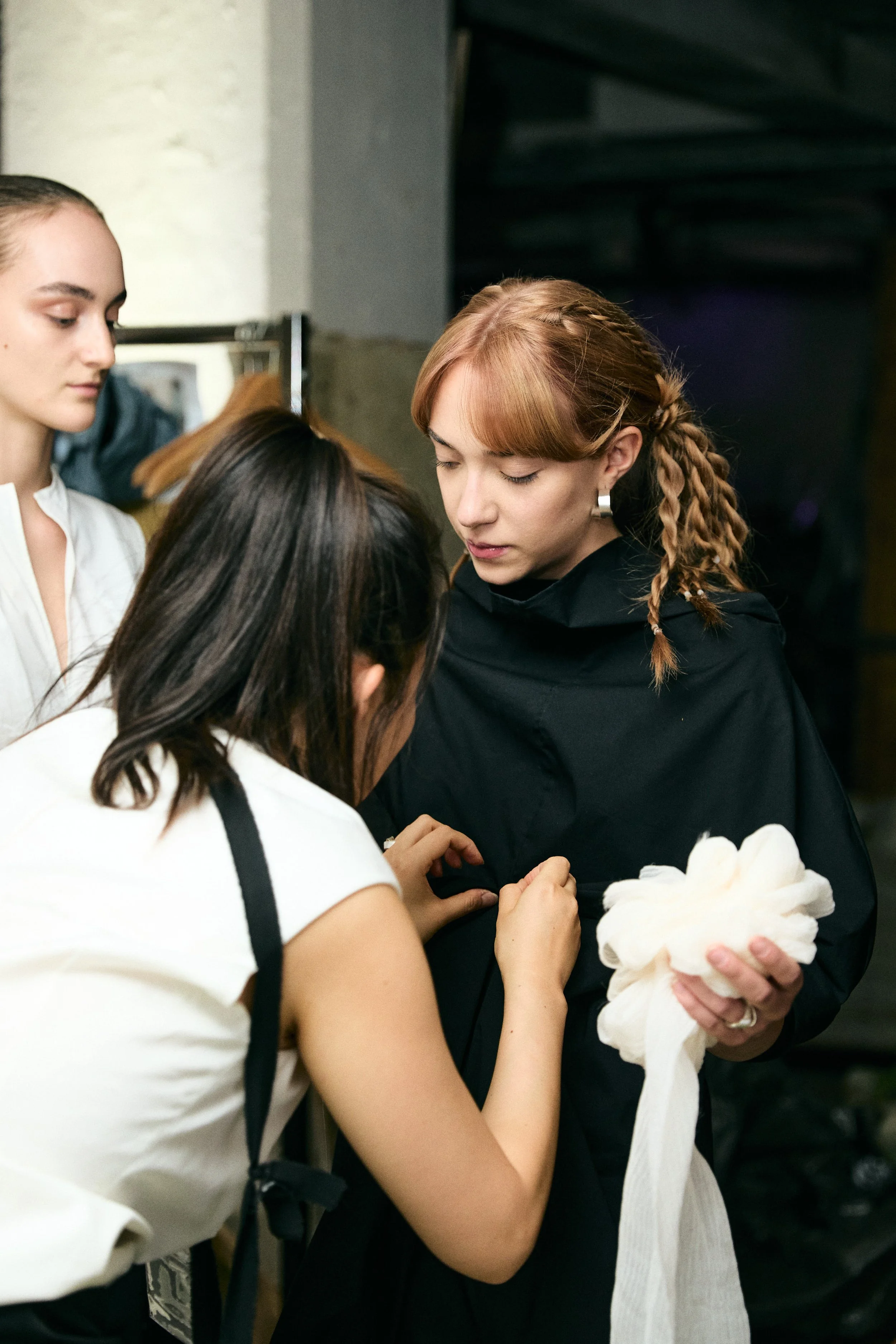
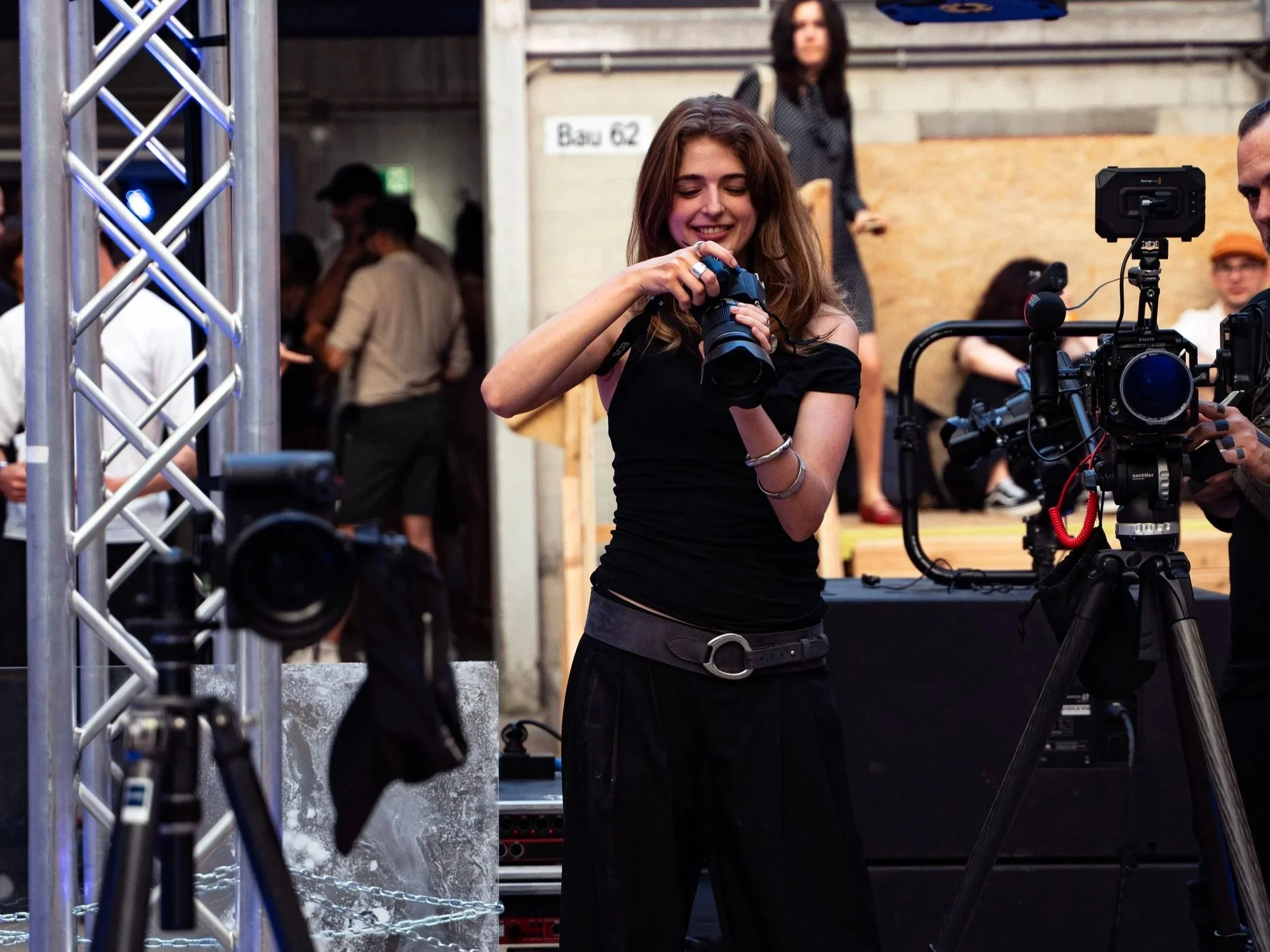
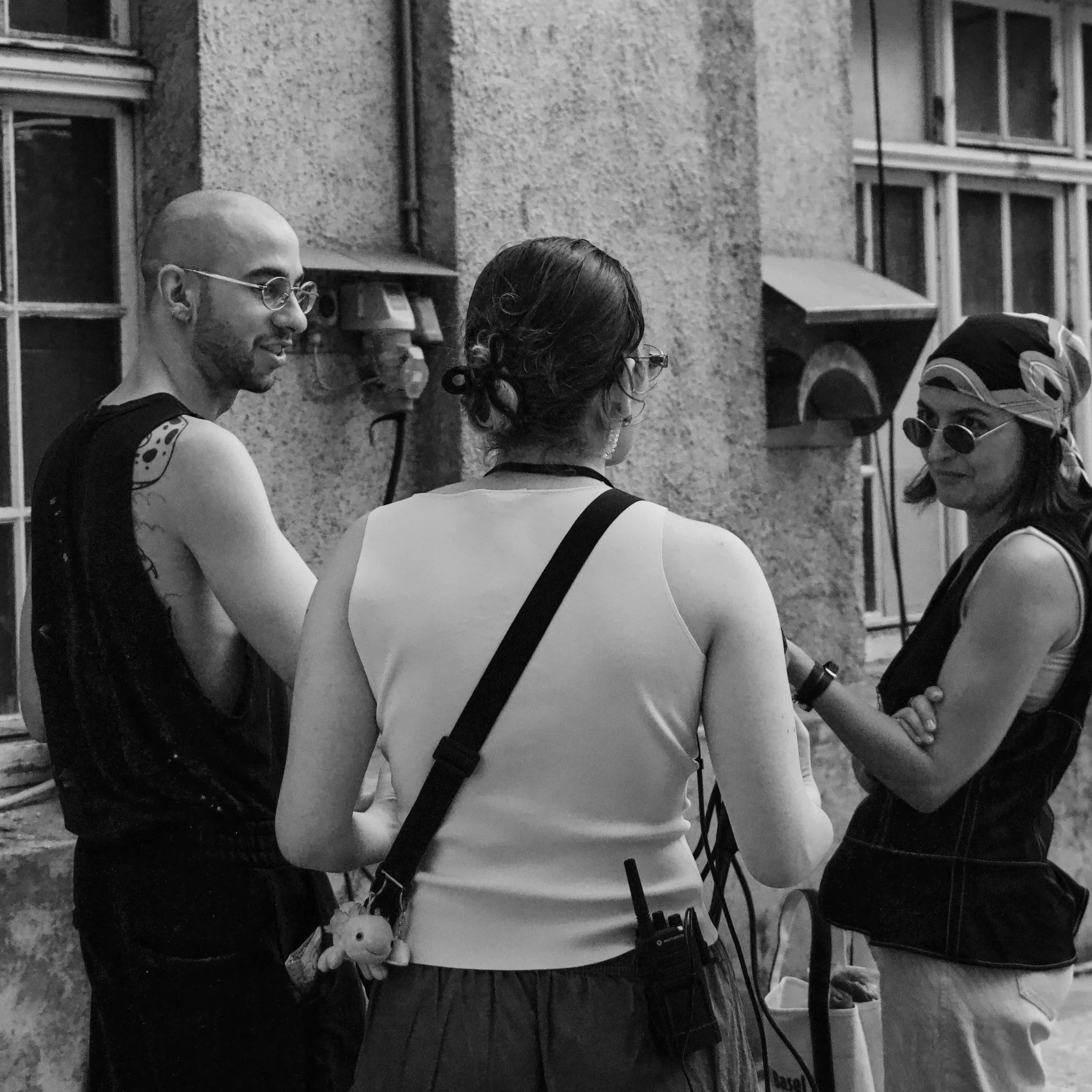
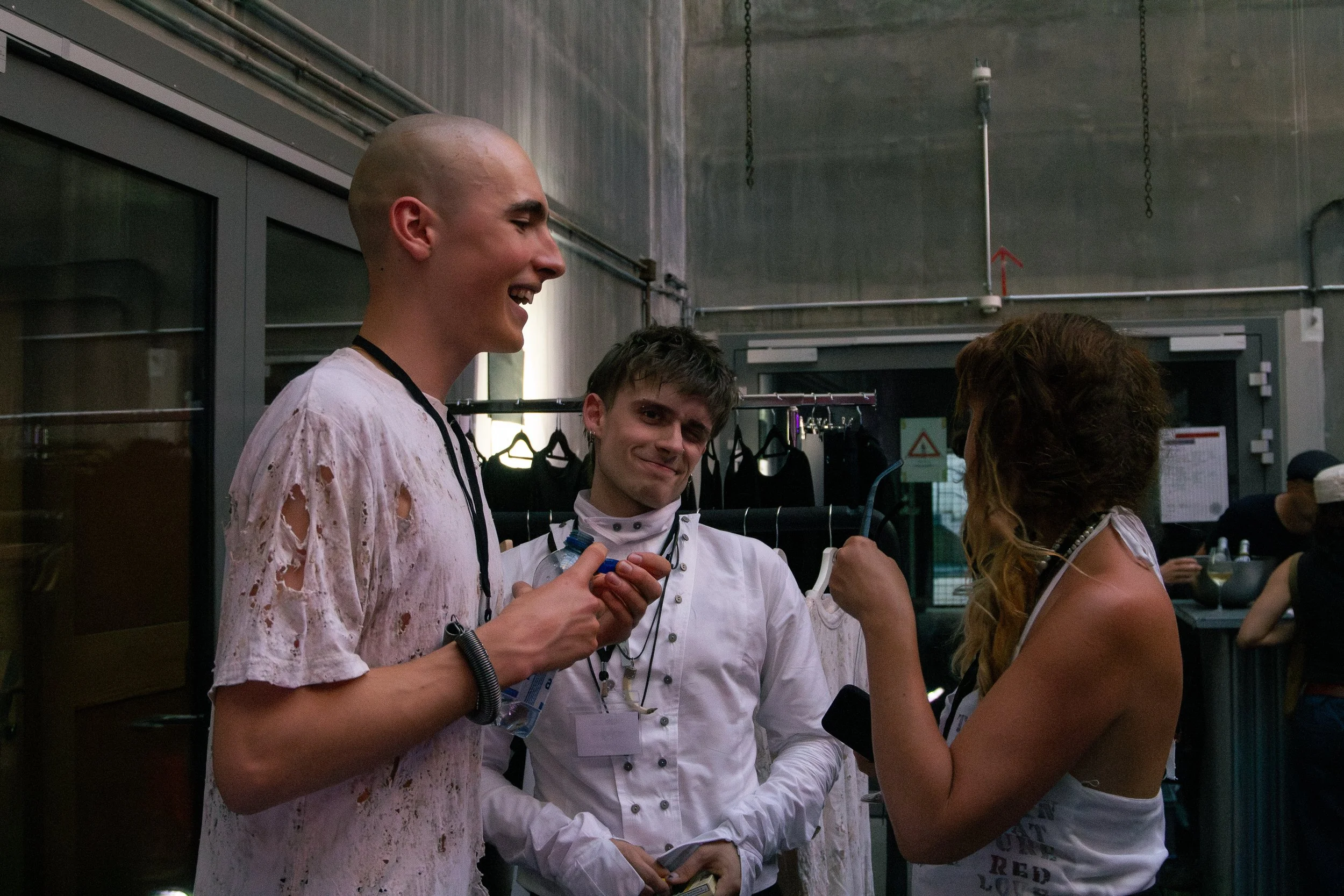
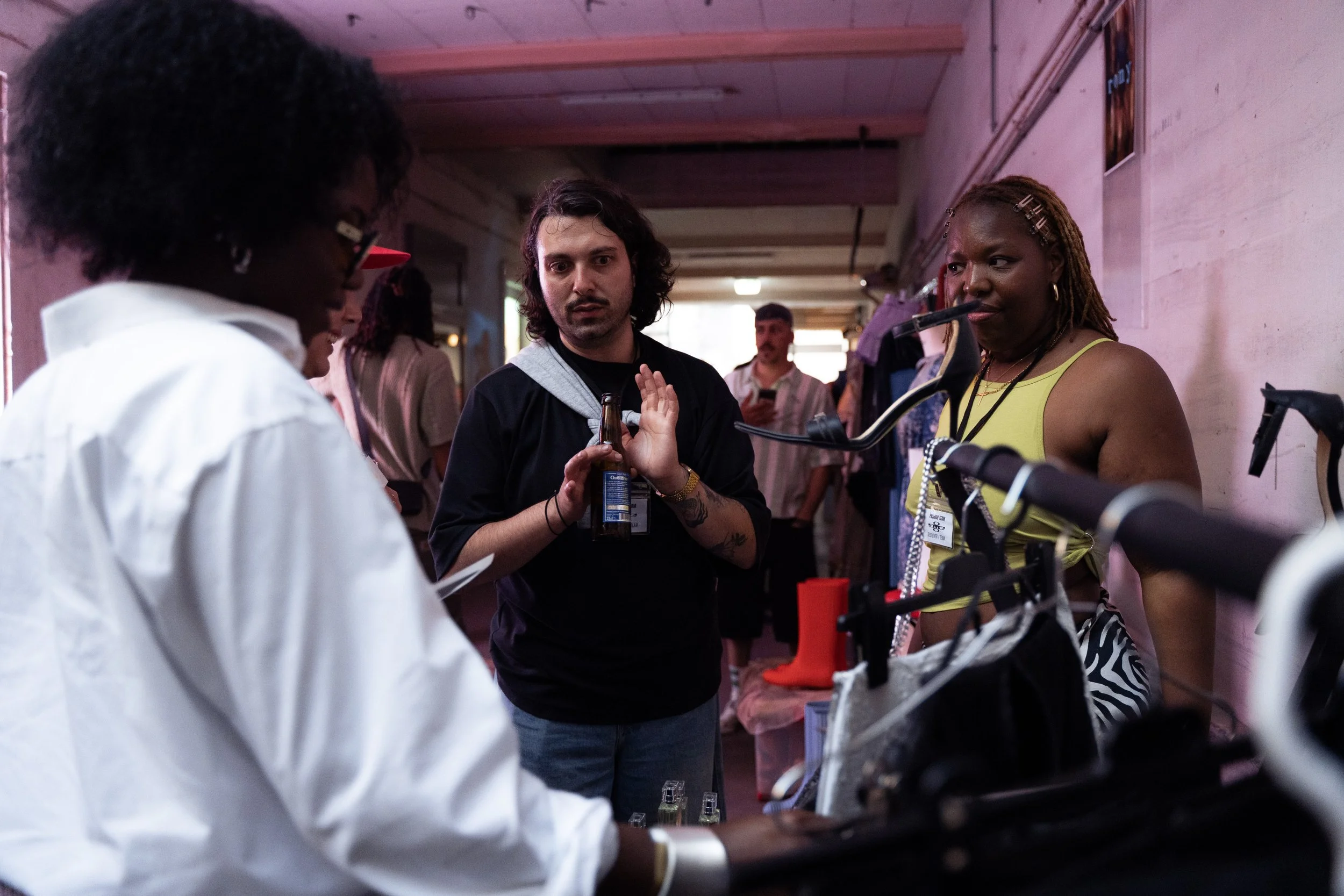
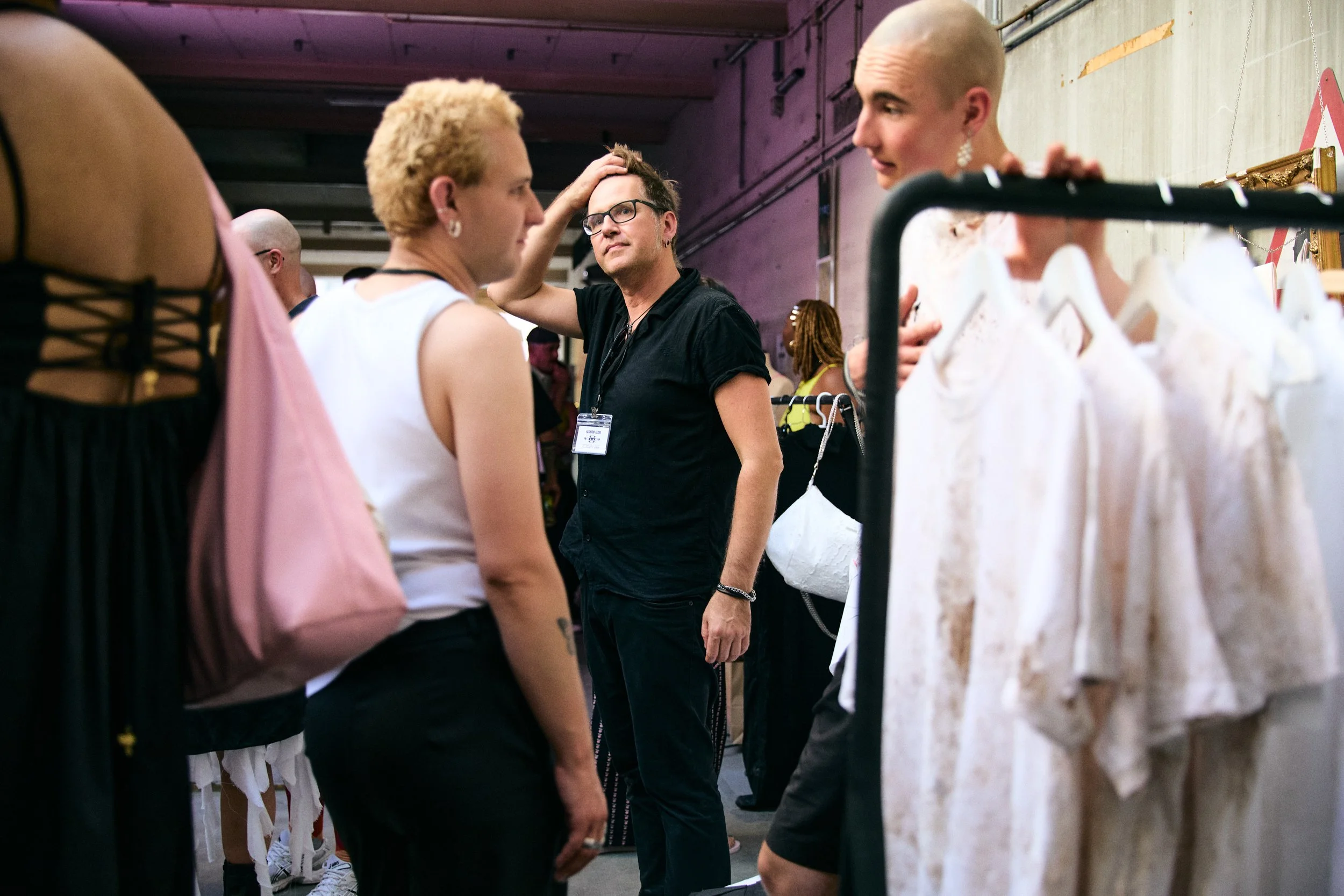
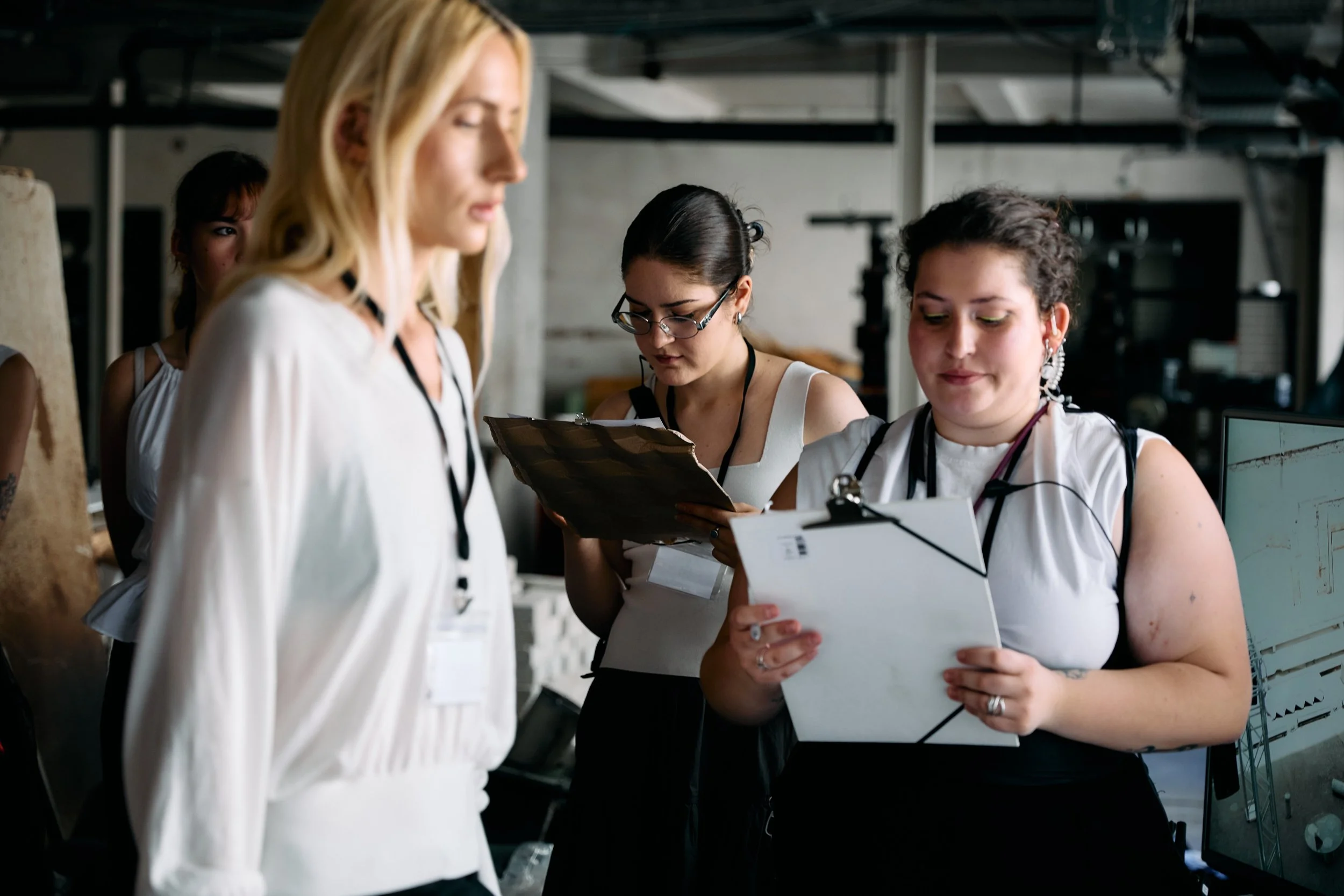
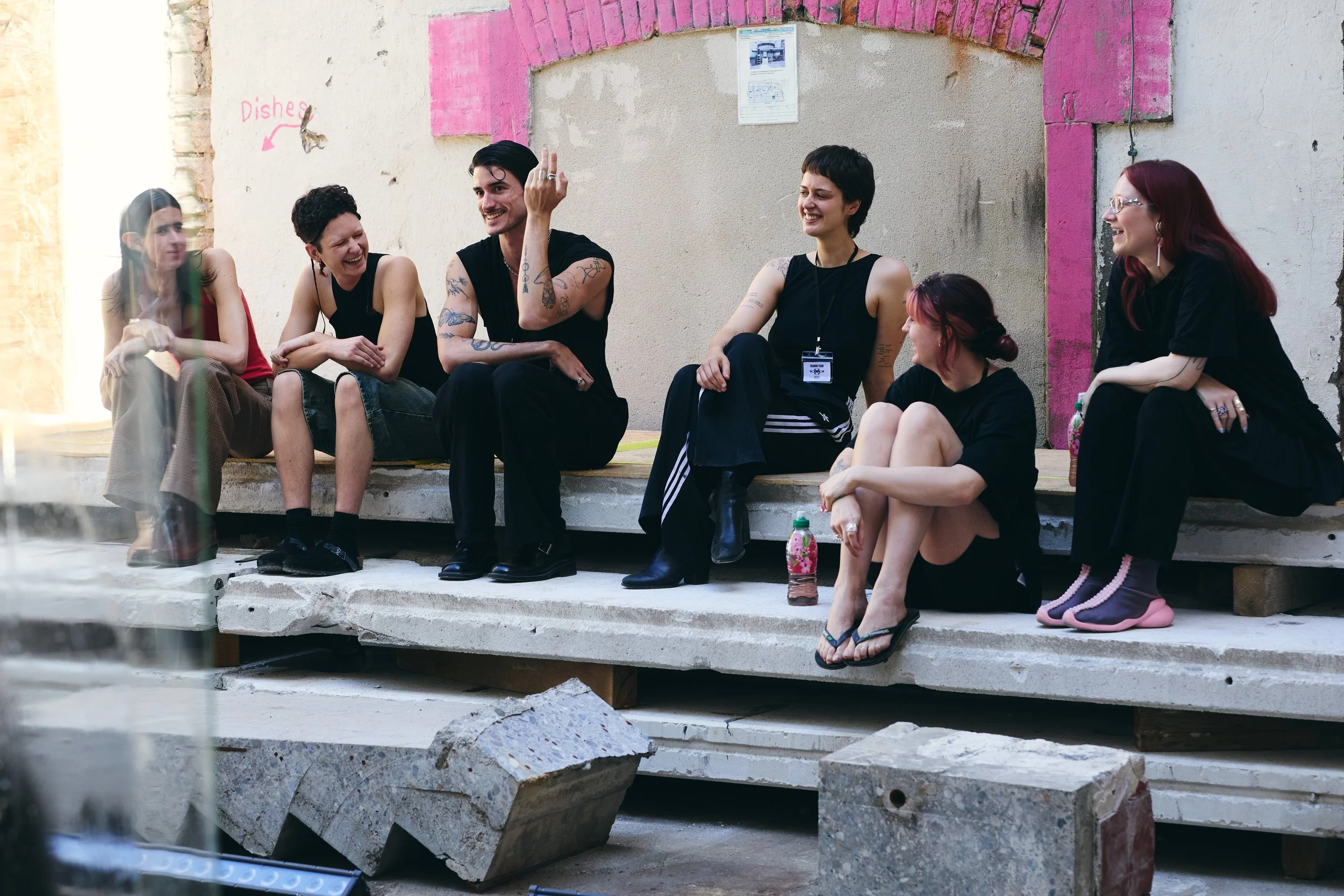
Produced by a team of nearly 80 contributors spanning multiple areas of production, the shows intentionally foregrounded the often invisible labour systems that fashion depends on. Behind every look of the evening, there was a whole network of hands in motion. The backstage and production teams gave it shape through an intricate choreography of fittings, technical rehearsals, cue calls, garment prep, quick changes and alterations. Dressers, runners, models and assistants played a central role in bringing each look to its final form, ensuring that every detail was ready the moment it reached the runway. The scale of thought, coordination, and care that goes into shows of this calibre further demonstrated that fashion relies as much on coordination and organisation as it does on creativity and precision. And for young creatives, backstage is also where many encounter the reality of the industry for the first time. Their labour sustains evenings like this, and it is within these spaces where the wider network around a project begins to take shape.
The Ensemble
As the project continued to evolve, so did the network surrounding it. What began as a conversation gradually became a format capable of holding many voices at once.
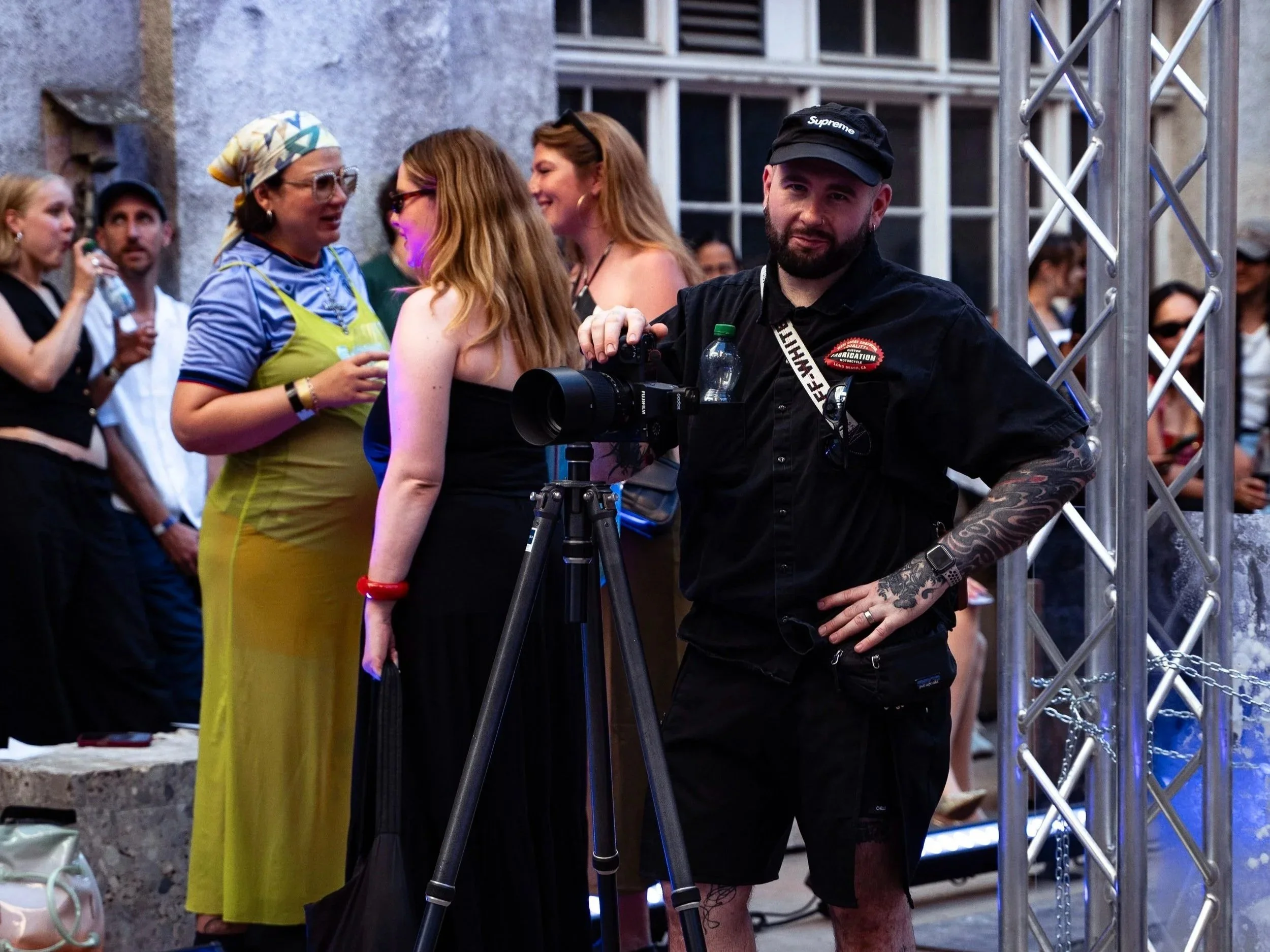
And hence, alongside the designers, this was also a gathering of people working across disciplines and experiences – artists, stylists, movement directors, scenographers, photographers, technicians, producers, dressers, runners and all other collaborators.
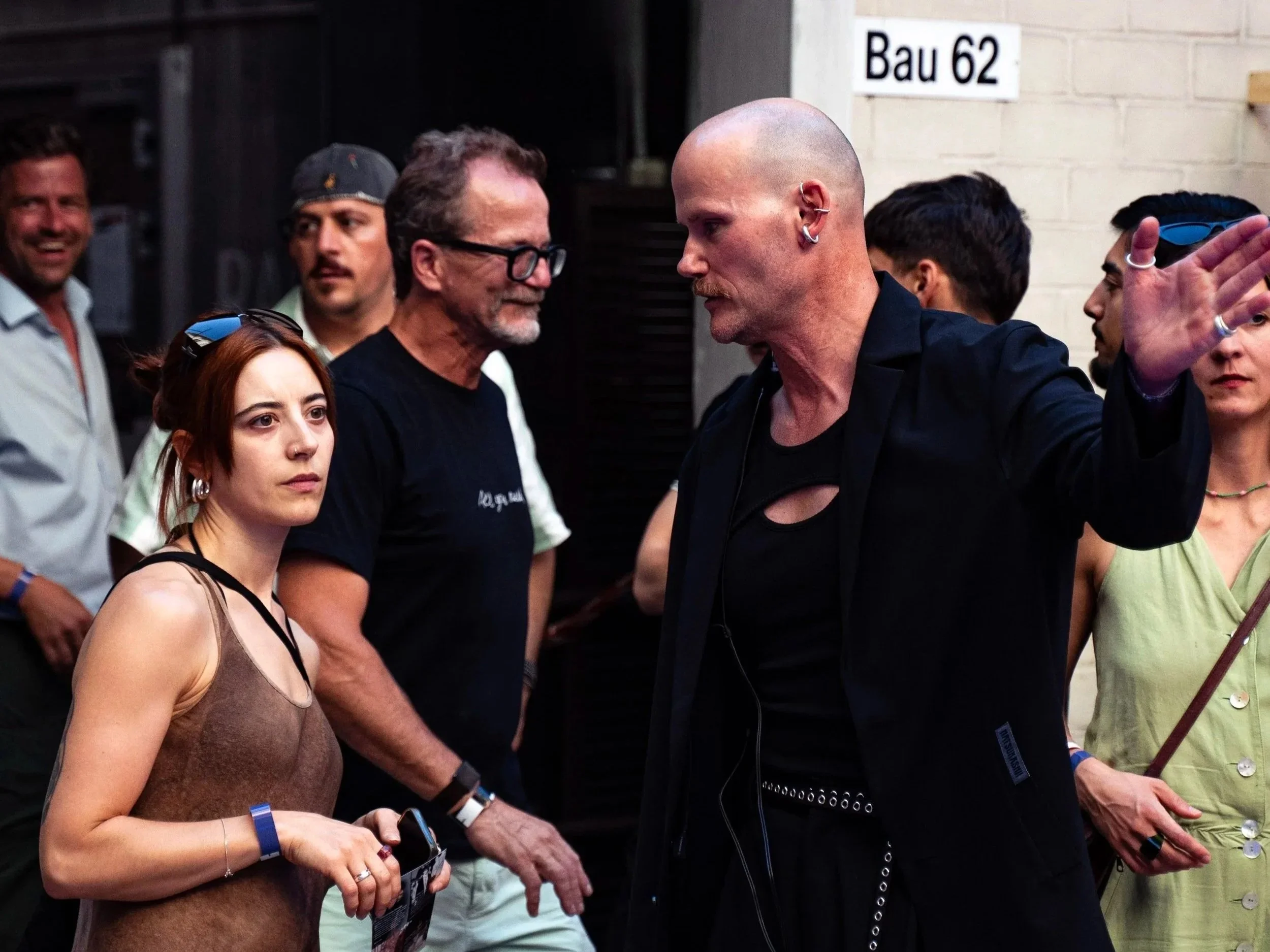
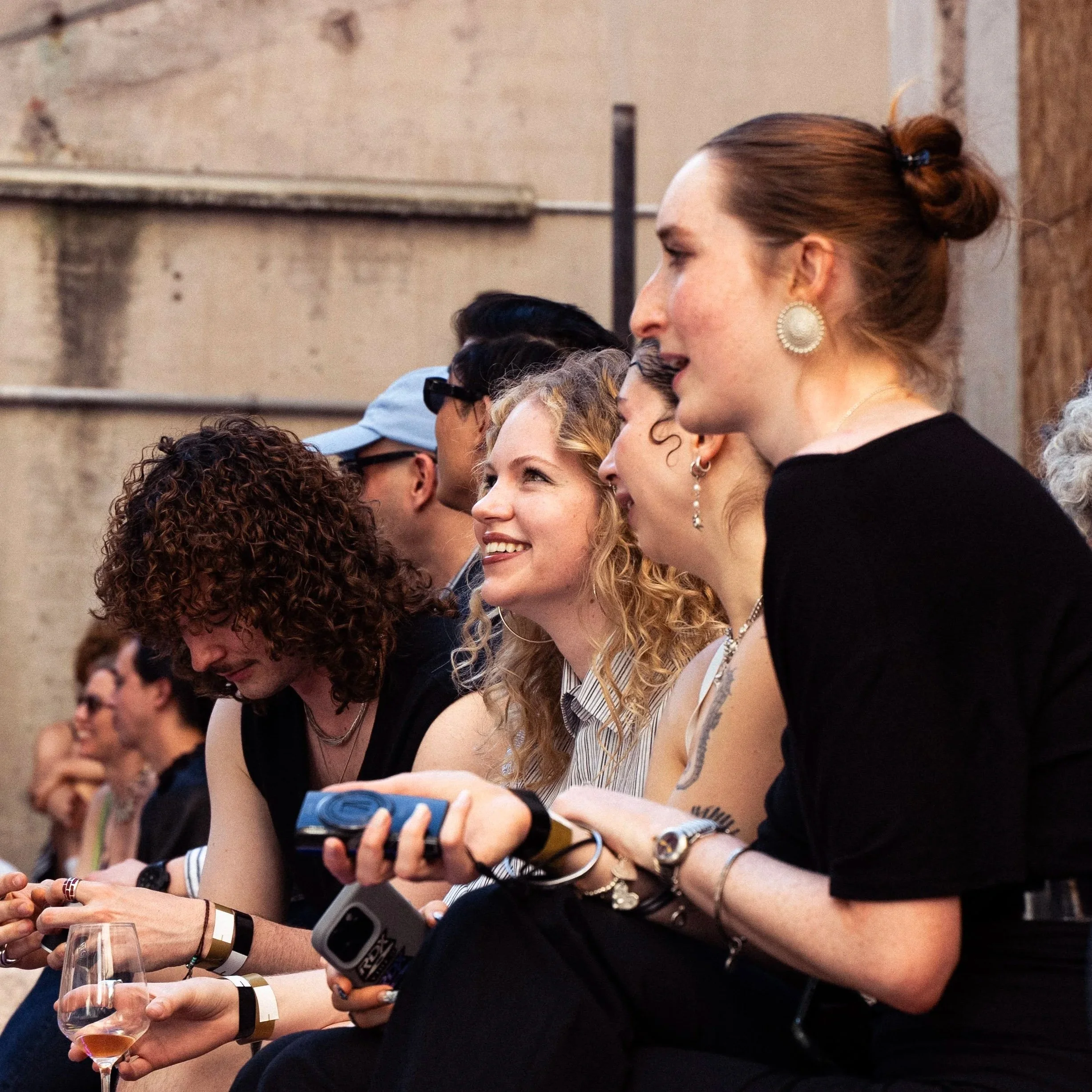
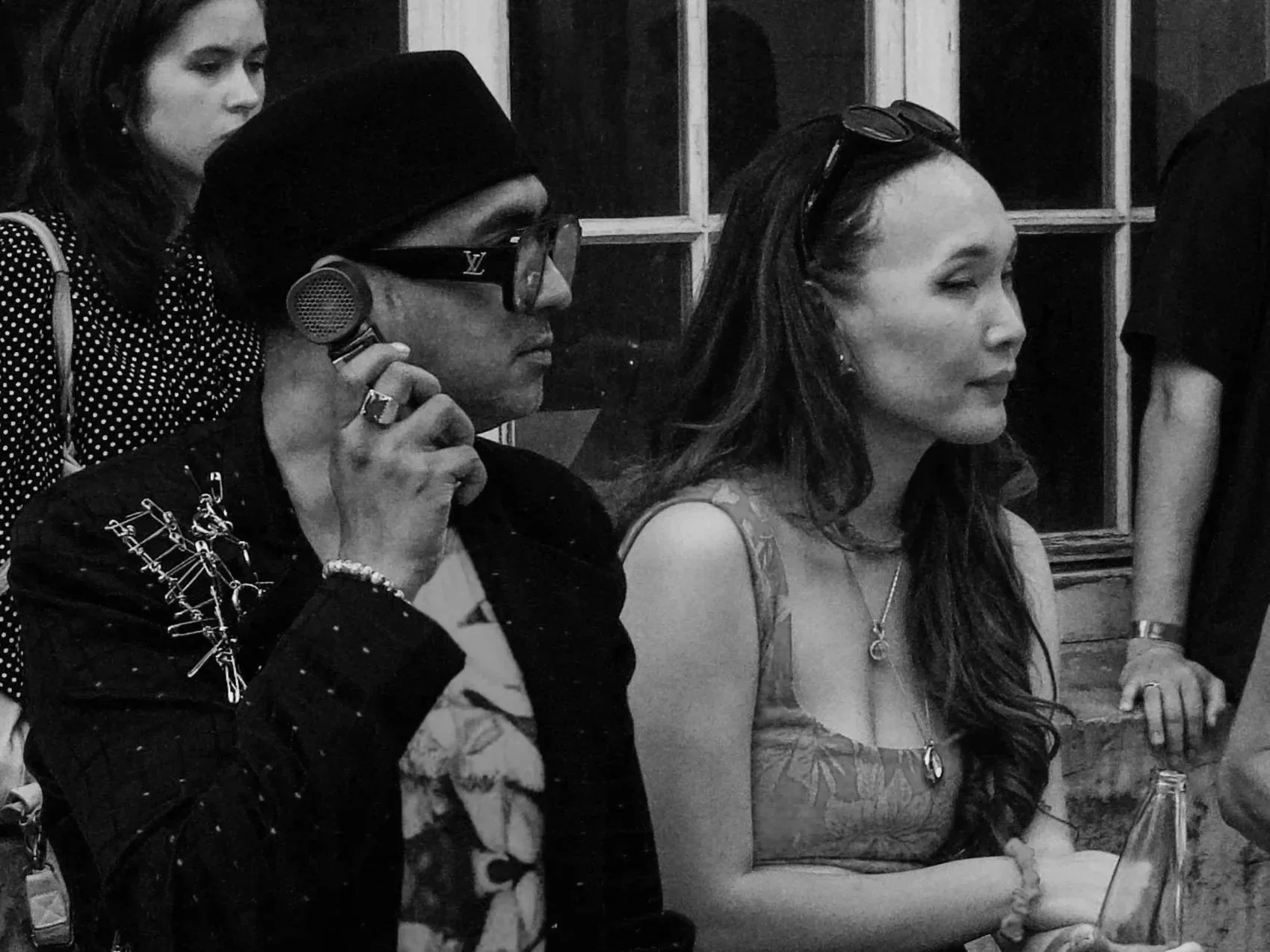
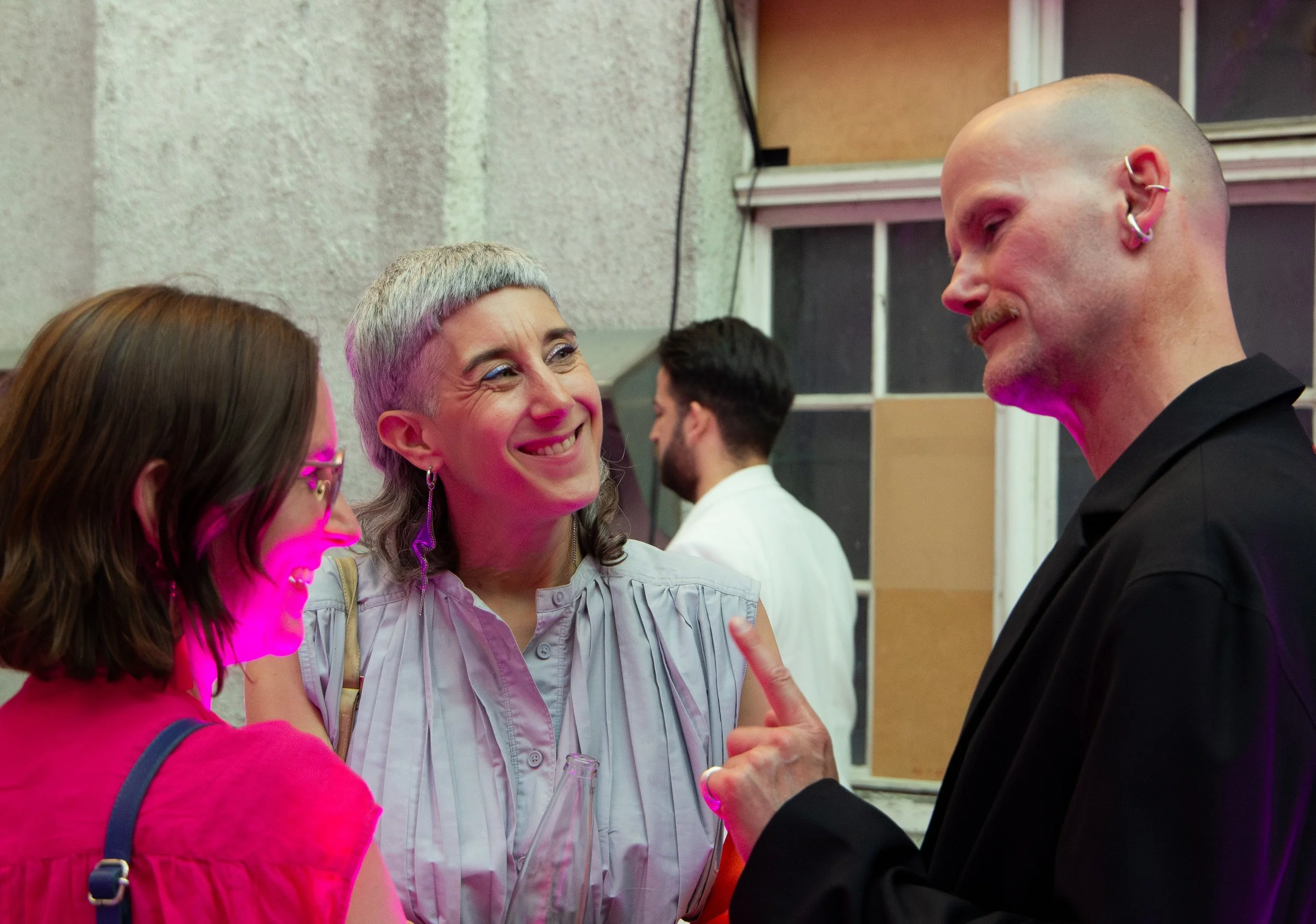
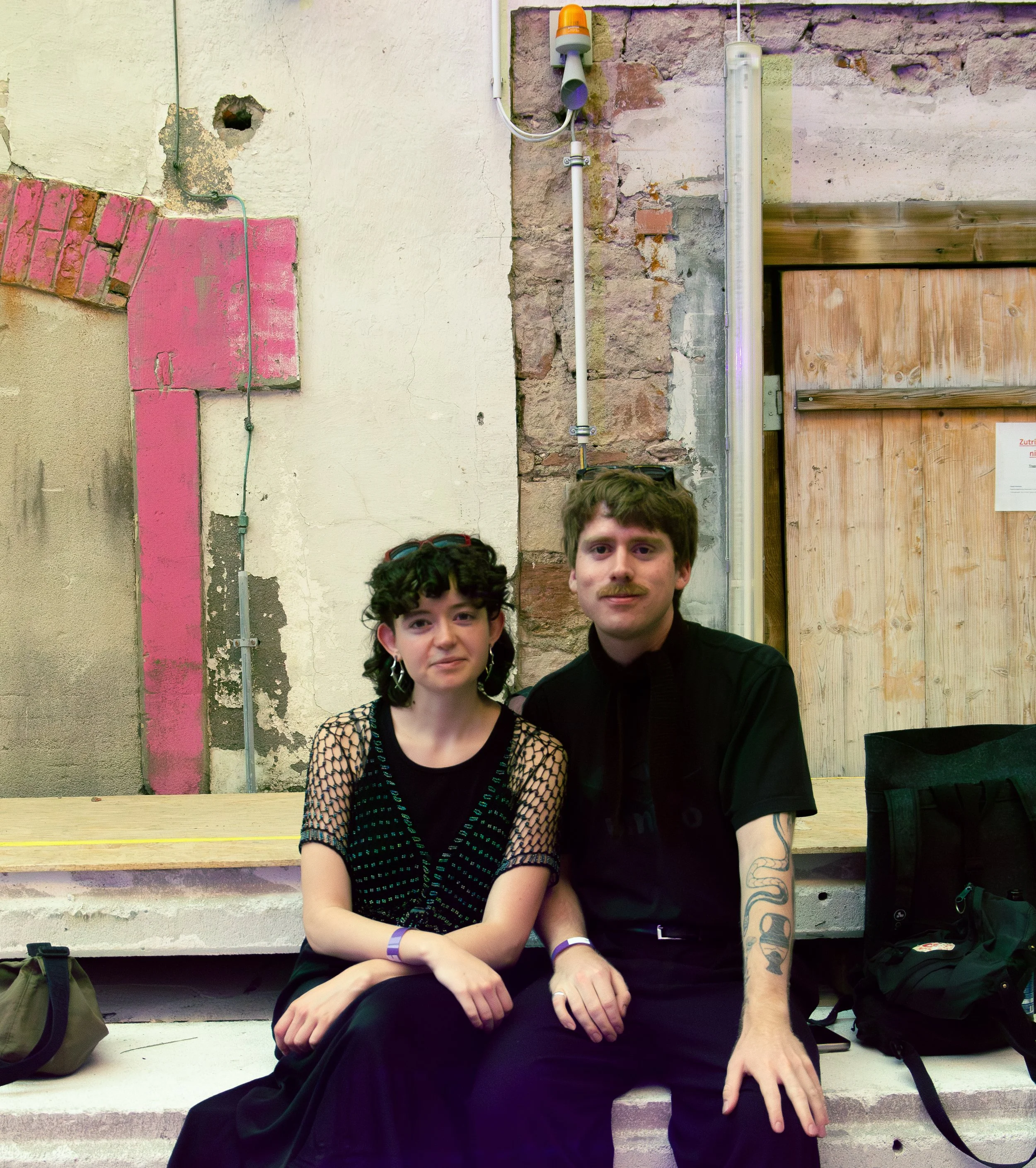
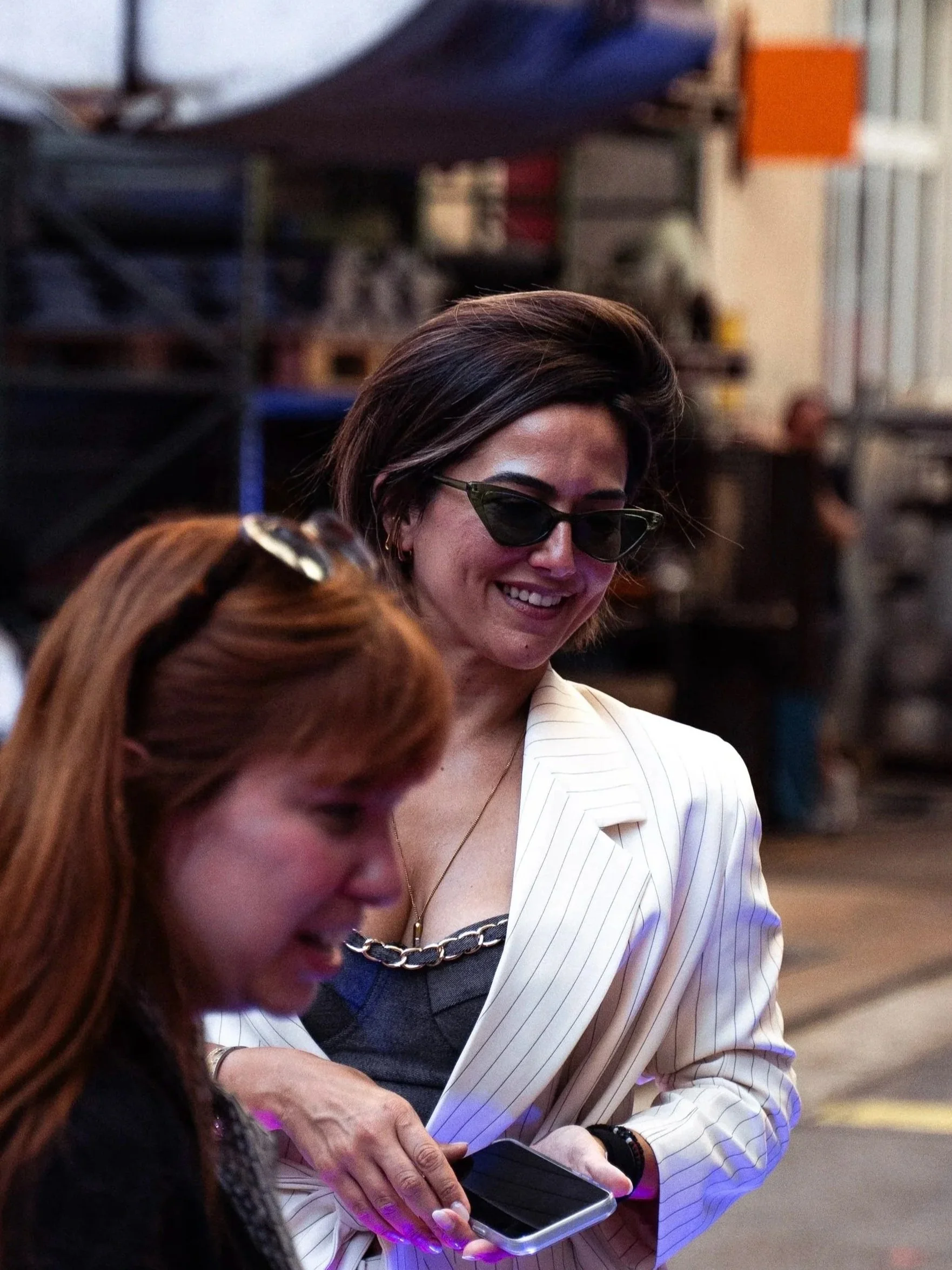
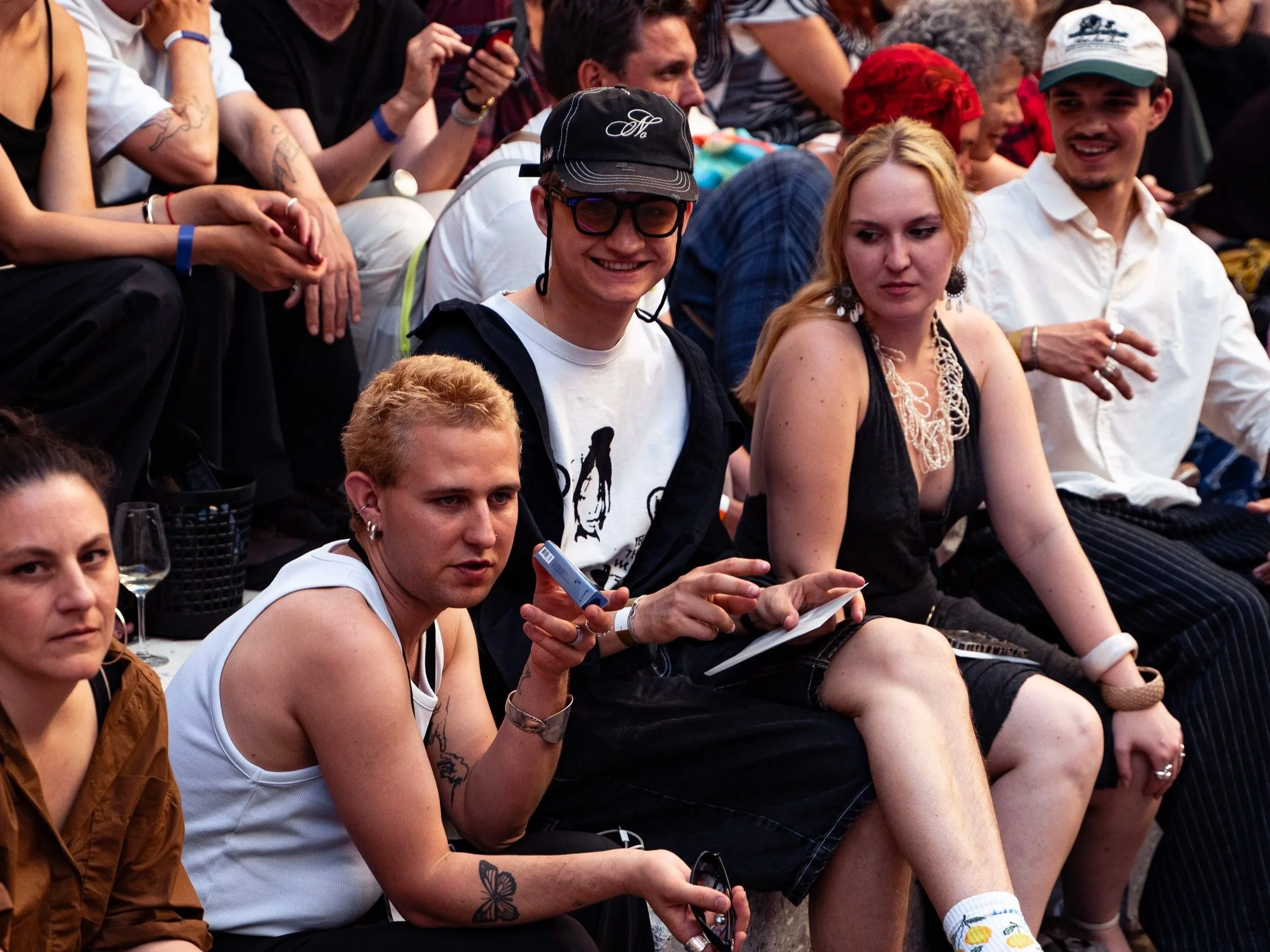
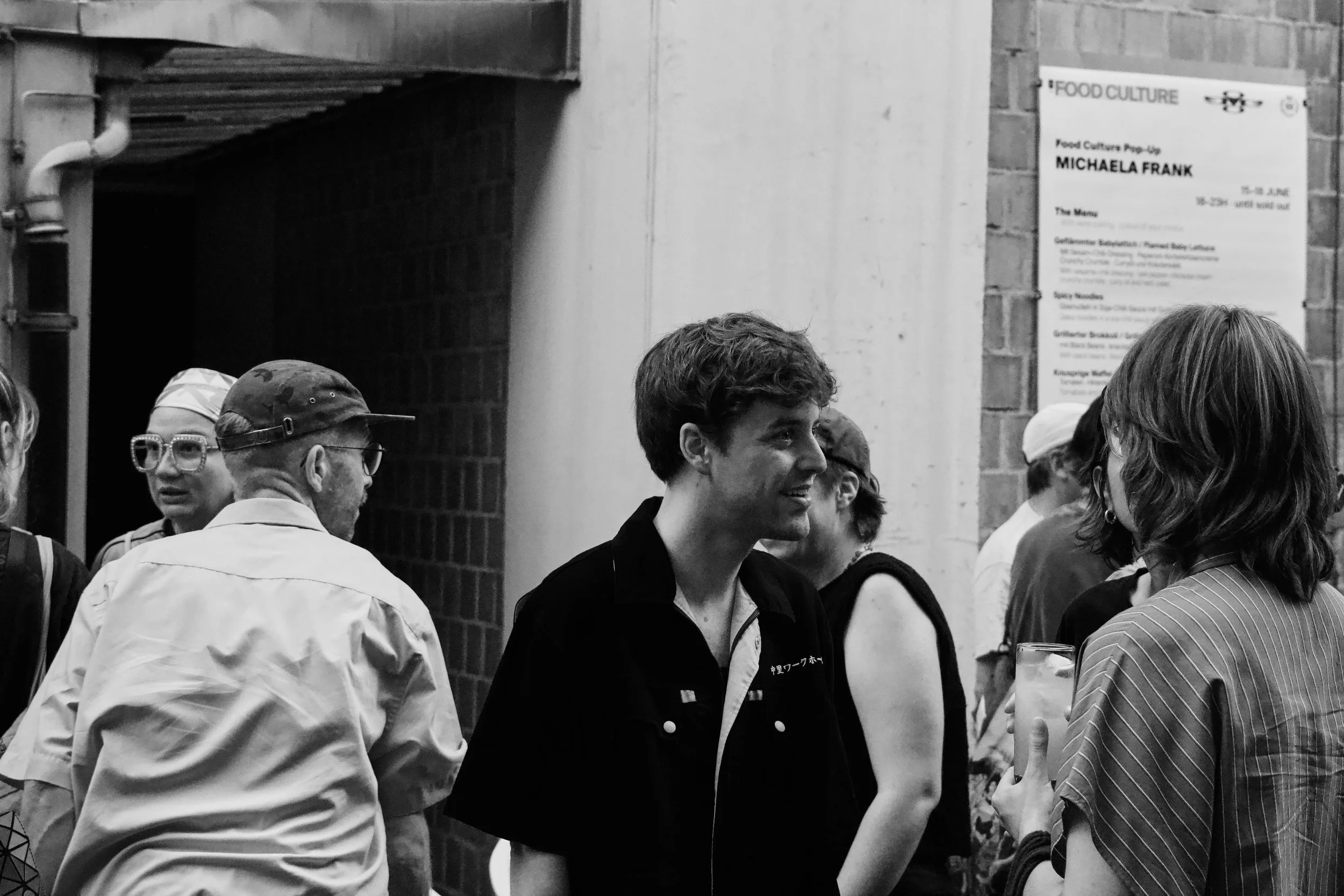
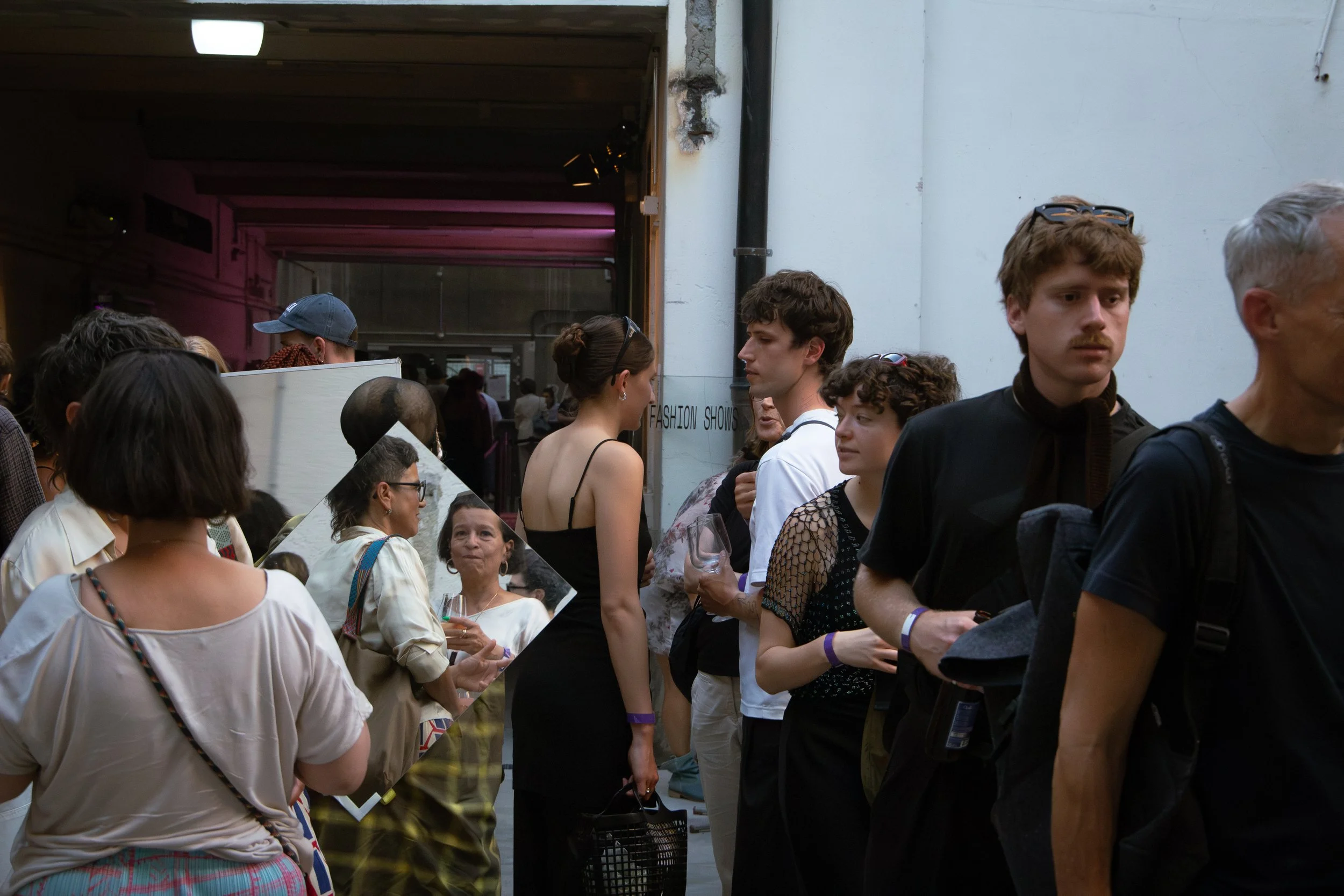
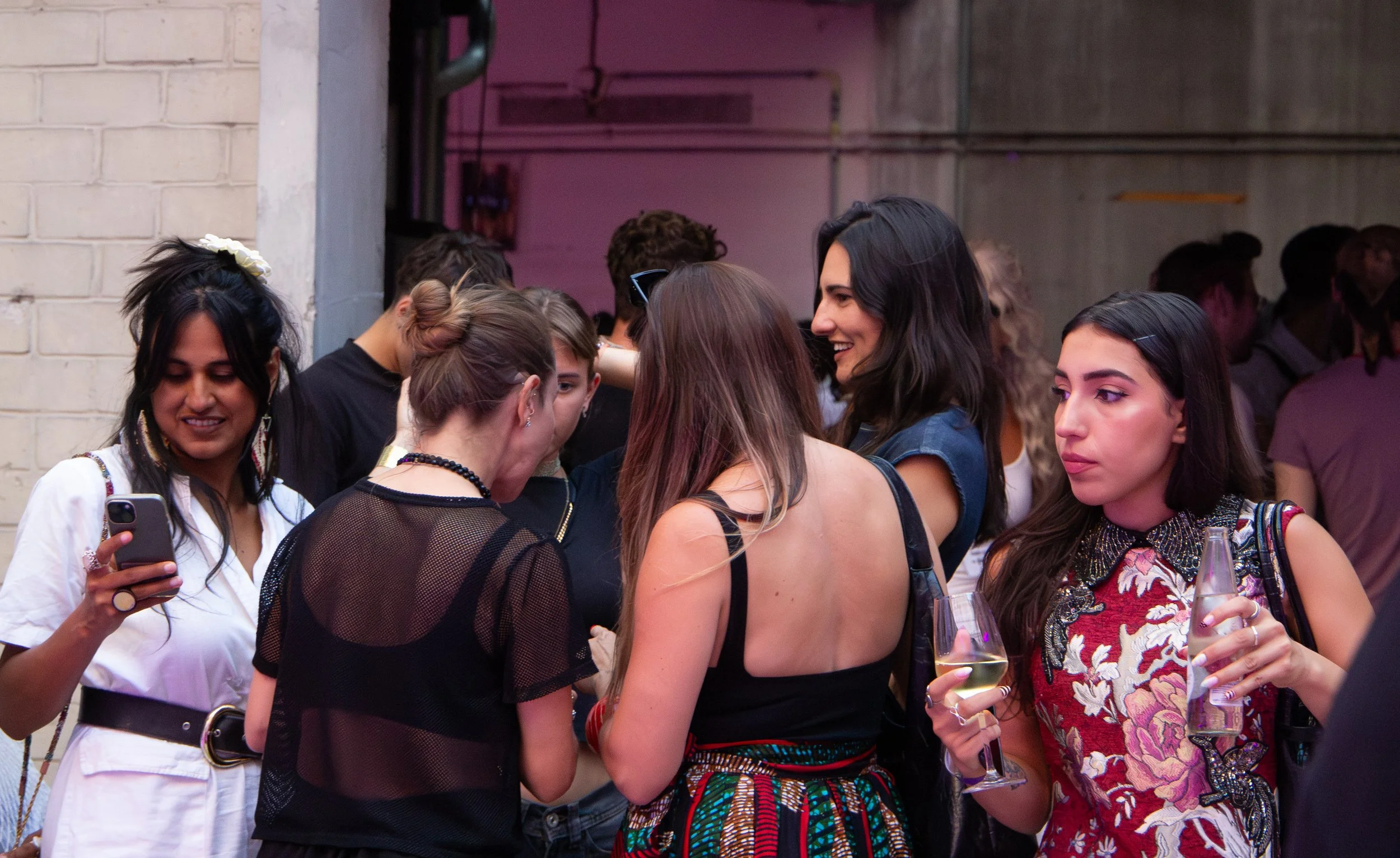
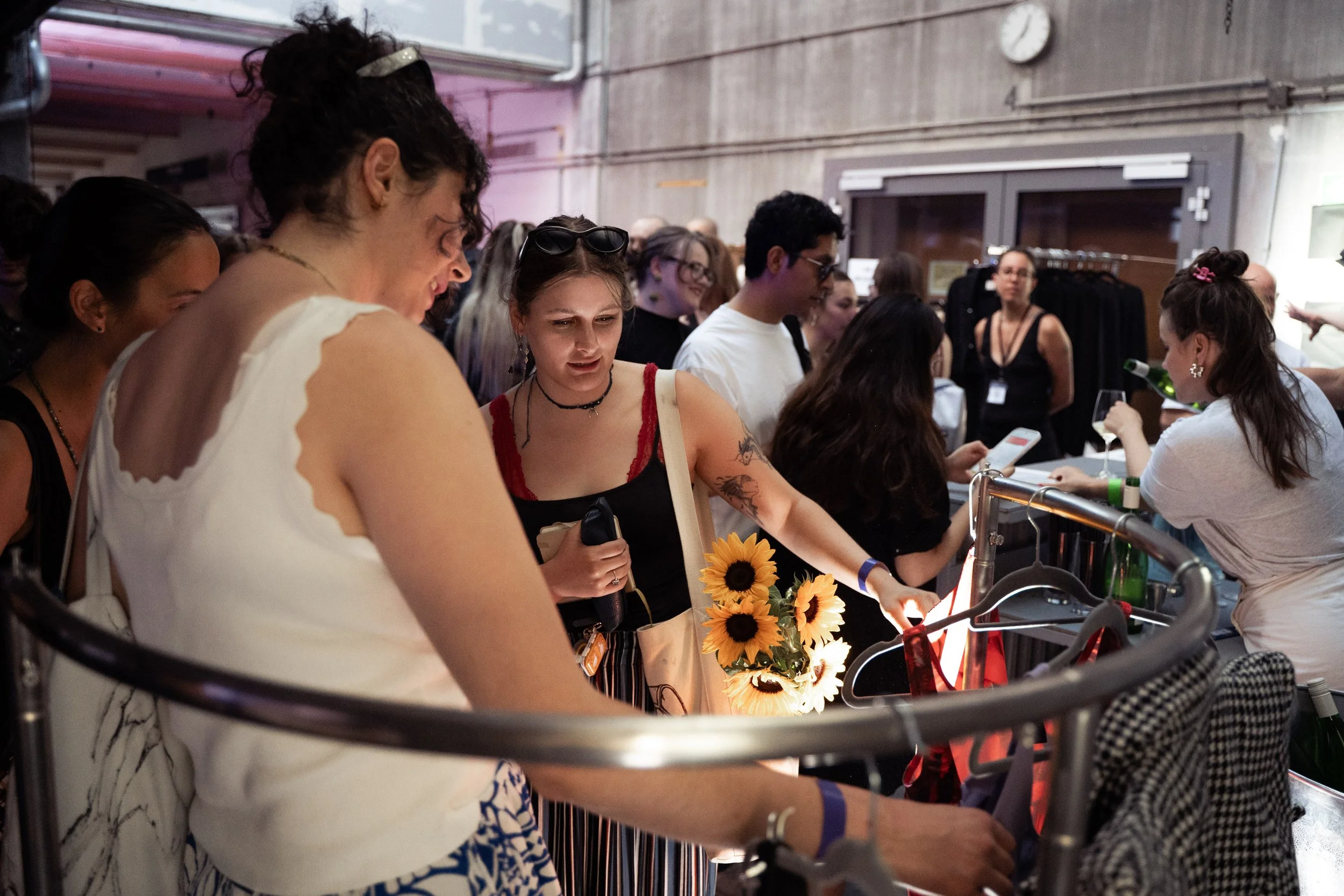
The shows drew many of the Swiss fashion community’s leading voices, who arrived with a shared curiosity to witness emerging fashion practices, category-defining approaches used by a new generation of designers, and a willingness to engage directly with the work. Throughout the evening, the presentation and the accompanying showroom served as a meeting point where new conversations began and existing ones continued.
This 2026 fashion edition marked a significant step in Basel’s evolving relationship with fashion. And in doing so, it offered a new way for the city to define its own fashion vocabulary, one that grows year after year.
The Orchestration
For this project, AUDA led the overall curatorial and production framework – from narrative development and project coordination to communications, editorial direction, spatial thinking and the operational systems that supported the presentation from early development through completion. Working closely with the OMG, Franck! team and an expanding network of creative practitioners, the aim always was to create a structure through which ideas, people and practices could meet with care, clarity and purpose.
The Forward Path
As AUDA continues to develop projects across fashion, art and cultural production, it also recognises that structures like these do not emerge fully formed. They are built through trust, generosity and the willingness of many people to contribute before outcomes are certain. Each collaboration expands the network further, opening new opportunities for designers, artists and audiences to encounter one another beyond a single event.
“For a lot of emerging creatives, the hardest part is not creating the work, it’s finding spaces where their work can exist seriously, where they feel supported and encouraged to represent it.”
-Aurora D’Agostino
This is the work Aurora D’Agostino hopes AUDA can continue to build. “For a lot of emerging creatives, the hardest part is not creating the work,” she adds, “it’s finding spaces where their work can exist seriously, where they feel supported and encouraged to represent it.”
And therefore the invitation, moving forward, is for you to join this growing network of exchange as collaborator, partner, contributor or supporter, so that more structures like this can find their form. AUDA remains committed to offering guidance, production support, curatorial direction and the connections that help creative practices find their place as well as their audience.
-
Festival: OMG, Franck!
Venue: Franck Areal
Show Production: AUDA by Aurora D'Agostino
Scenography: Studio Alessandra Hofmann
Sound Design: Cédric Elisabeth
Light Operation: Lukas Schweizer @eventarena.ch
Head of Movement Direction: Baptiste Berrin
Head of Hair & Make-up: Pedja Krsmanović
Head of Styling and Dressing: Bianka Dorina Moos
Photography Team:
Christoph Anton Cornelius Bärtsch
Communication: Mahima Saxena
Brands:
Cristina Gonzalez with Maniega
Edie Lou Freisinger with ELS
Corinna Mattner with Romy Hood
Sarah Bounab
Eun Ji Choo wth C’éce Serie
Margaux Launay-Sajet with XAUM
Laura Desch & Sarah Luethi with NOERAH
Anastasia Bull
Models:
Valentina
João
Andrea
Soribel
Camilla
Giulia
Ladina
Edwin
Rita
Anna-Lena
Asia
Gabriel
Krisztina (Kris)
Brenda
Julianna
Ada
Nuengtida
Flurina
Selin
Sherry
Léane
Sara
Nora
Agnieszka (Agnes)
Janna
Melina
Hair & Makeup Team:
Yaren Arslan
Jolie Wagner
Maria Muñoz
Denise Dedich
Selina Sophia
Adrienne Lopes
Réka Öri
Giana Schüpbach
Bintou Diallo
Fatima Sillah
Dressers Team:
Emma Casanovas
Raurich
Bigna
Olive Dell'avva
Jemima Gmür
Claudia
Joyce Djagoue
Nina Bitterlin
Eva Barraza
Reka Gardai
Backstage & Front of the house:
Lelani
Marina
Djonbarki
Mahima
Norman
Ruben
Sofie
Sophie
Isabel
Manuel
Lorenz
Carla
Note: All collection descriptions are derived from the brands’ official show notes.